
Cello Concerto in B Minor, Op. 104
Saulius Sondeckis
- Label
- CuGate Classics
- Katalognummer
- CGC 029
- EAN / Barcode
- 4038912420230
- Erscheinungsdatum
- 7 September 2017
Dvořák composed his Concerto in B minor between 1894 and 1895 during his obligation as professor at the New York Conservatory. Hanuš Wihan, cellist of the Bohemian String Quartet had already asked him some time before to compose a concerto for his instrument, but Dvořák initially was rather reluctant to this idea. The final impulse, however, came after he had witnessed the world premiere of Irish composer Victor Herbert’s second cello concerto, which impressed him very much. There had been some good reason so far for Dvořák’s former restraint since writing for cello and orchestra were considered difficult in the composer’s circles. Johannes Brahms proved this when he praised his colleague and friend Dvořák after having read through the score: “Why didn’t I know before how to write a cello concerto like this? If I had known I had written one myself long time ago.” The Concerto is a big work, full of enchanting melodies and highly virtuoso parts integrated into well-spaced movements. But the grandeur of the cast hides a very touching personal note, which goes back to the time when he started with the composition. His sister-in-law Josefina Kaunic once had refused Dvořák’s proposal of marriage. When she died - Dvořák, who was at that time anyway not quite satisfied with the ending of his work - he revised the coda of the last movement. In commemoration of Josefina he replaced the originally written more optimistic part of the final by incorporating a song he had composed earlier and which had belonged to Josefina’s favourites. In a kind of synthesis he merged the main theme of the first movement and the tune of his song „Leave me alone“ into a final reminiscence of his relative. Except the Rondo in G minor op. 94 all the other of Dvořák's cello pieces, including Silent Woods, are arrangements of music originally composed for other instruments. However, this did not prevent Silent Woods from becoming famous, and it is true that today the version for cello and orchestra (or cello and piano) is better known than its original for piano duet. Dvořák composed his piano duets „From the Bohemian Forest“, in 1883-1884. Ten years later he selected the fifth track of that cycle and transcribed it as a version for cello and piano, again for his friend and cellist Hanuš Wihan. This arrangement became very popular, so another year later Dvořák made a new arrangement for cello and orchestra. Here it reveals the virtues of the cello as a versatile melody instrument, giving sonority of sound to cantilenas and tunes while at the same time remaining substantial part of the string family. The Rondo in G minor op. 94 is dedicated to Hanuš Wihan, the cellist of the Bohemian String Quartet and the initiator of the his Cello Concerto. When Dvořák had been touring Bohemia with the Wihan he was realising that there was no significant solo piece for the cello existing. So he wrote one himself for piano and cello, particularly for the purpose of showing off Wihan's abilities. Later he also made an orchestral version that extends the work with extra color and tension. It is the quality of both formats which justify their own place in the repertoire. This Polonaise was also originally written for cello and piano. This time the dedicatee was the cellist Alois Neruda. The autograph is lost without trace until now, but the music survived as a copy which was discovered in Vienna in 1925. The piece follows the traditional polonaise dance style; the middle section captivates by a more serene and lyrical tone.
Auch bei CuGate Classics
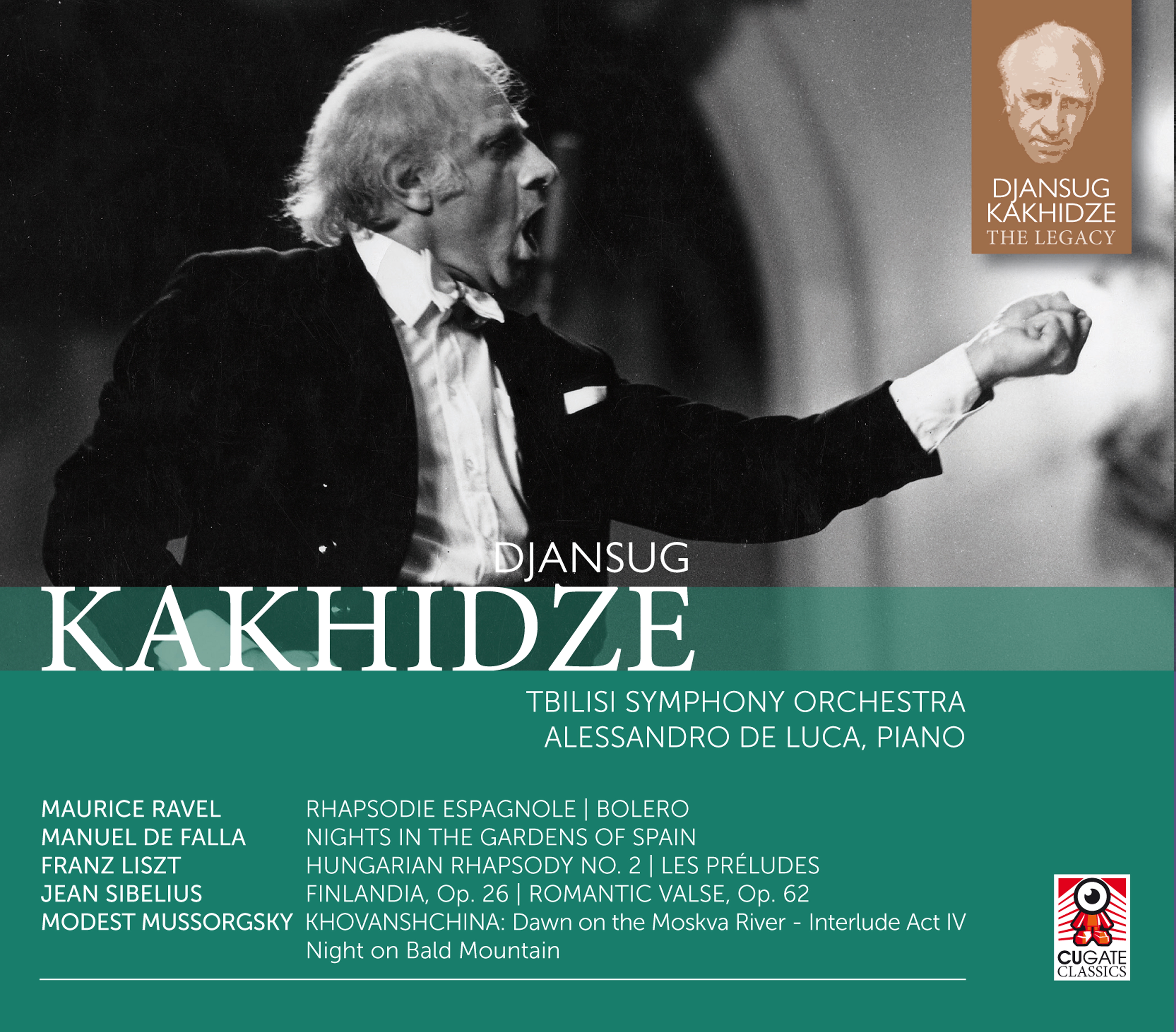
The Legacy Vol. 9
Djansug Kakhidze
CuGate Classics
·
2018
·
2 CDs
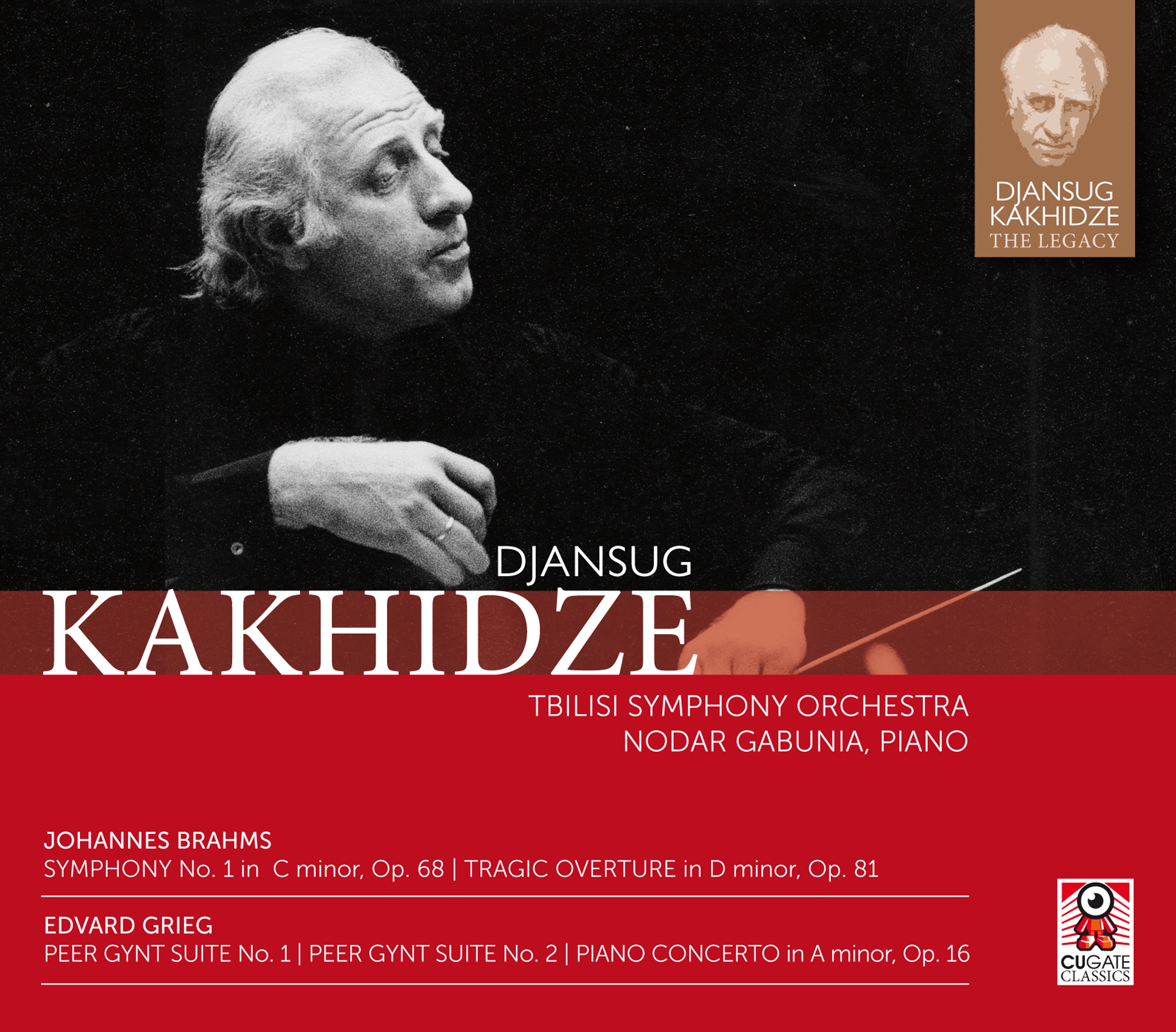
Symphony No. 1 in C Minor, Op. 68 / Peer Gynt Suite
Djansug Kakhidze
CuGate Classics
·
2018
·
2 CDs
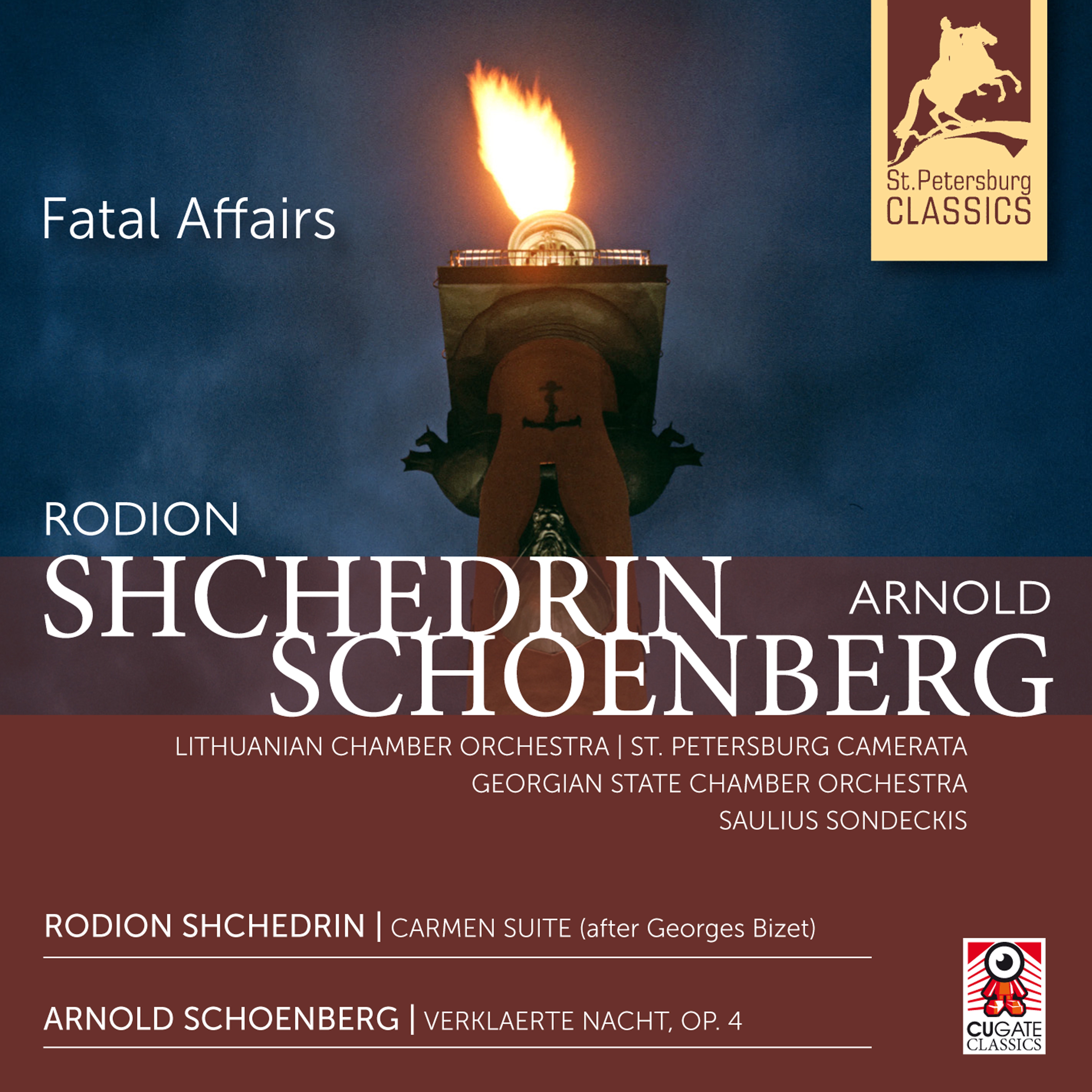
Carmen Suite / Verklärte Nacht, Op. 4
Saulius Sondeckis
CuGate Classics
·
2018
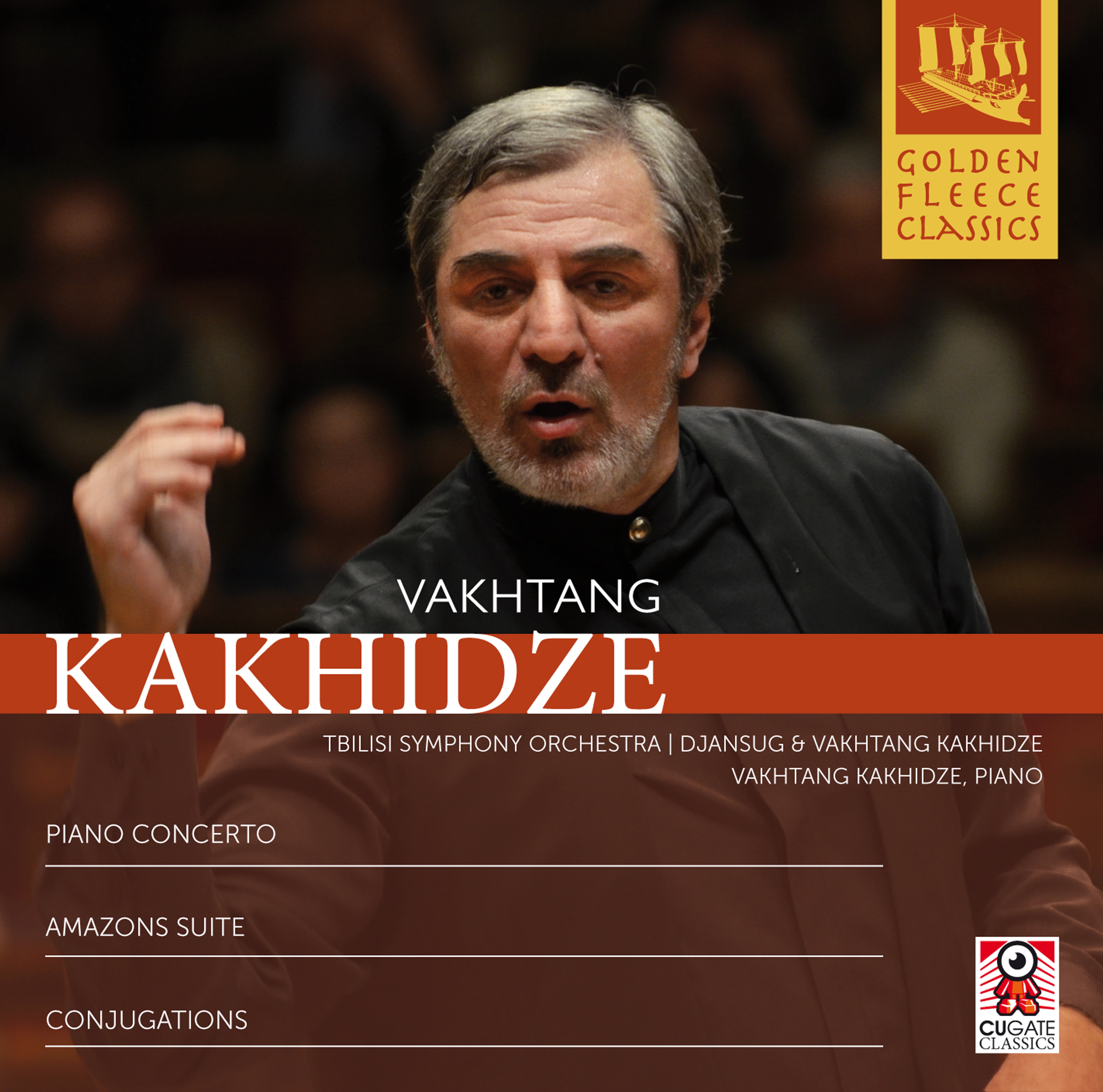
Piano Concerto / Amazons Suite / Conjugations
Vakhtang Kakhidze
CuGate Classics
·
2017