
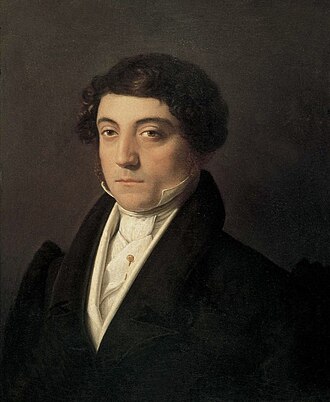
Artist
Gioachino Rossini
Gioachino Antonio Rossini (Pesaro, 29 February 1792 – Paris, 13 November 1868) was an Italian composer. In a period of twenty years (1810-1829) he composed forty operas.
Like many famous composers, he received his first music lessons from his father, Giuseppe Rossini, who was a horn and trumpet player. Subsequently he went to Bologna in 1806, where he studied at the Liceo Musicale under Padre Stanislao Mattei. In 1810 he received his first commission for an opera. In 1813 he achieved great success with his operas Tancredi and L'italiana in Algeri. Two years later, in 1815, when he was attached to the Teatro San Carlo in Naples, he composed serious operas as well as comic works (opera buffa's), such as Il barbiere di Siviglia (based on the play Le Barbier de Séville (1775) by Pierre Beaumarchais), La Cenerentola and La gazza ladra. In 1822 he married soprano Isabella Colbran and after writing his last opera for the Italian public, Semiramide, he moved to London.
In 1824 he settled in Paris and led the Théâtre Italien there. His last major theatrical work, Guillaume Tell, he wrote in 1829. Subsequently he composed sacred works, such as the Stabat Mater and the Petite Messe Solennelle, cantatas, songs, chamber music and more. In 1837 he separated from Isabella Colbran.
Like many famous composers, he received his first music lessons from his father, Giuseppe Rossini, who was a horn and trumpet player. Subsequently he went to Bologna in 1806, where he studied at the Liceo Musicale under Padre Stanislao Mattei. In 1810 he received his first commission for an opera. In 1813 he achieved great success with his operas Tancredi and L'italiana in Algeri. Two years later, in 1815, when he was attached to the Teatro San Carlo in Naples, he composed serious operas as well as comic works (opera buffa's), such as Il barbiere di Siviglia (based on the play Le Barbier de Séville (1775) by Pierre Beaumarchais), La Cenerentola and La gazza ladra. In 1822 he married soprano Isabella Colbran and after writing his last opera for the Italian public, Semiramide, he moved to London.
In 1824 he settled in Paris and led the Théâtre Italien there. His last major theatrical work, Guillaume Tell, he wrote in 1829. Subsequently he composed sacred works, such as the Stabat Mater and the Petite Messe Solennelle, cantatas, songs, chamber music and more. In 1837 he separated from Isabella Colbran.
Upcoming concerts
Full calendar →
On Klassiek Centraal
12 articles
Reviews
‘Ciao & Buenos Dios’ sluit seizoen BeLLISSAma af
Viviane Redant
·
19 May 2026
·
6 min read

Reviews
Speelsheid en verfijning: Mozart en Rossini in perfecte balans
Werner De Smet
·
16 May 2026
·
4 min read
Reviews
BelLISSAma ‘Get Happy
Viviane Redant
·
17 Jan. 2026
·
6 min read
Announcements
Vocaal vuurwerk in Lucia di Lammermoor
Redactie
·
13 Oct. 2025
·
2 min read
Reviews
Ciao, bella Italia!
Viviane Redant
·
12 Mar. 2025
·
5 min read
Reviews
Belcanto in Brugge
Roger Creyf
·
18 Jan. 2023
·
4 min read
Reviews
Rossiniaans genot in Il Turco in Italia
Jessy Baeken
·
27 Oct. 2022
·
4 min read
Reviews
Rossini’s verliefde Gloriana in The Queen and her favourite
Jessy Baeken
·
12 Mar. 2021
·
4 min read
Reviews
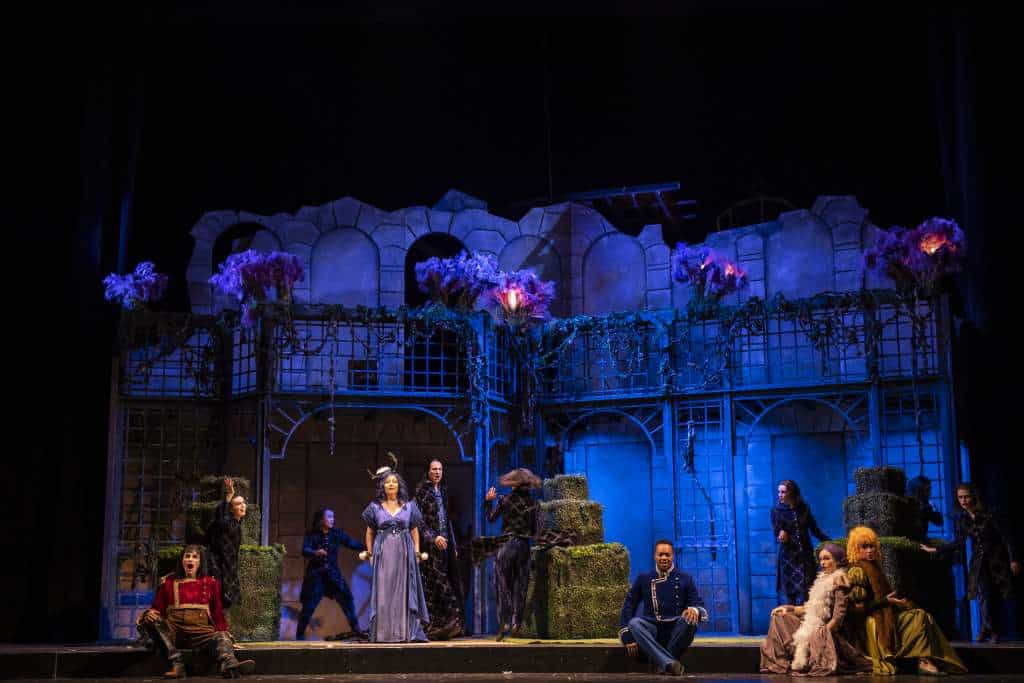
Rossini’s humor- en kwaliteitsvolle La Cenerentola in Luikse opera
Ludwig van Mechelen
·
23 Dec. 2019
·
5 min read
News
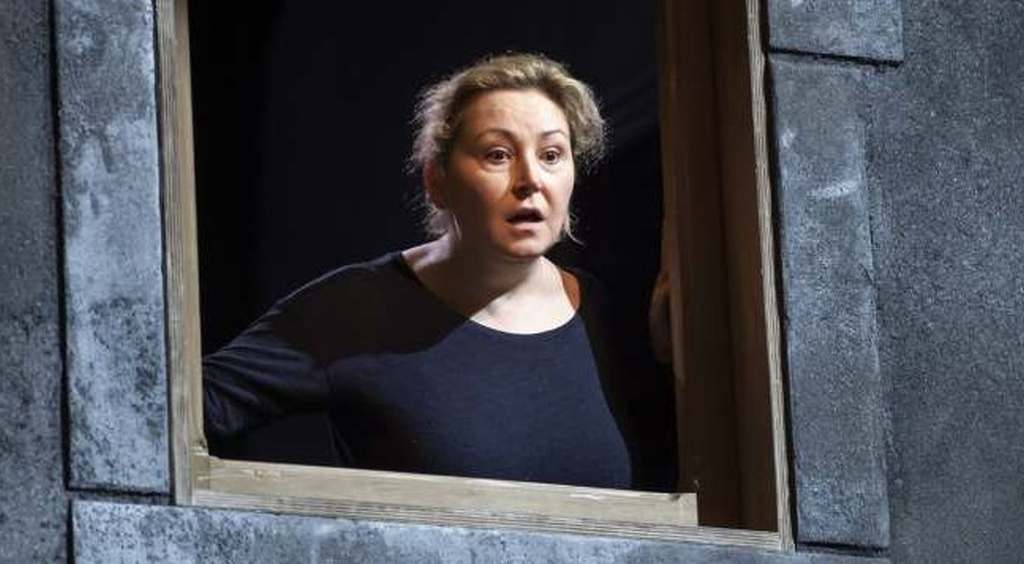
Debuut wereldster Karine Deshayes met Rossini in Opéra de Wallonie
Ludwig van Mechelen
·
9 Dec. 2019
·
6 min read
Reviews
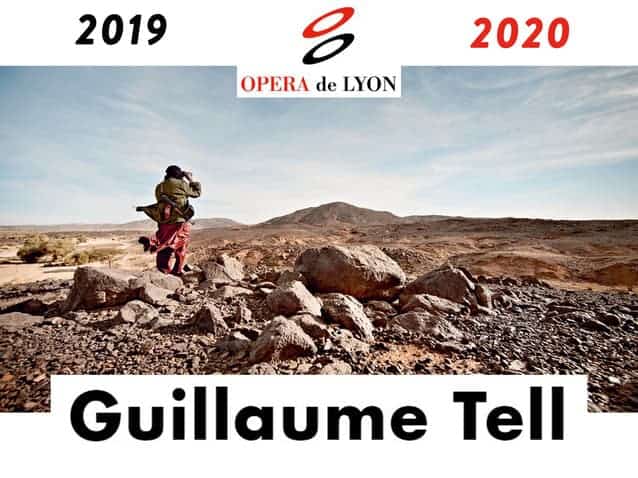
Guillaum Tell in de Opera van Lyon
Erna Metdepenninghen
·
20 Oct. 2019
·
4 min read
Reviews
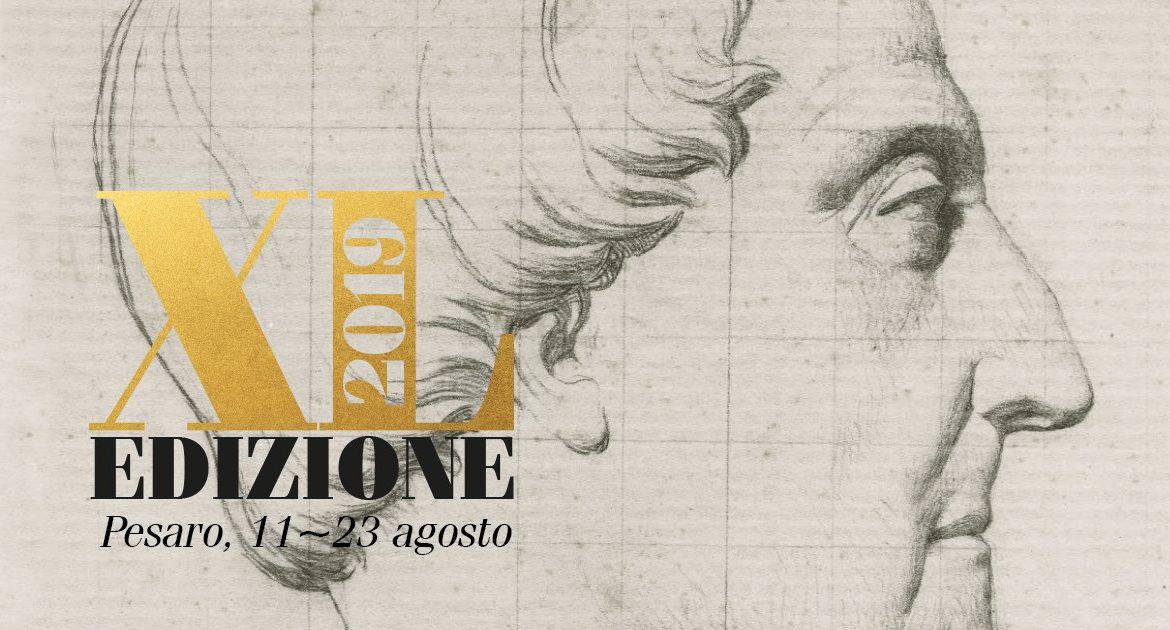
Rossini Opera Festival 2019
Erna Metdepenninghen
·
24 Sep. 2019
·
5 min read
Never miss what moves in classical music
Subscribe to our newsletter.