
Artist
Opéra Royal de Wallonie
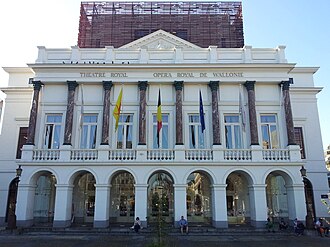
The Opéra royal de Wallonie (French pronunciation: [ɔpeʁa ʁwajal də walɔni], lit. 'Royal Opera of Wallonia') is an opera house located on the Place de l'Opéra, in Liège, Belgium. Together with De Munt / La Monnaie and the Vlaamse Opera, the Opéra royal, as it is colloquially known, is one of the three major opera houses in Belgium. From the beginning, the institution occupied the Théâtre royal in Liège, a building loaned by the city (inaugurated on 4 November 1820).
In 1816, King William I of the Netherlands transferred the land and materials of the former Dominican convent to the city of Liège, on condition that a theatre be built there.
The first stone was laid on 1 July 1818 by Mademoiselle Mars. Built according to the plan of the architect Auguste Dukers, the theatre in the neoclassical style has a massive parallelepipedic shape. Its main façade is decorated with a marble colonnade limited by a balustrade and overlooking the arcades on the ground floor. The Théâtre royal de Liège was inaugurated on 4 November 1820.
The city became the owner in 1854. The statue in front of the building represents the Liège composer André Grétry and is the work of the sculptor Guillaume Geefs. The musician's heart was placed in the base of the statue in 1842. In 1861, the architect Julien-Étienne Rémont profoundly transformed the room and the building, which was several metres long at the back and sides.
In 1816, King William I of the Netherlands transferred the land and materials of the former Dominican convent to the city of Liège, on condition that a theatre be built there.
The first stone was laid on 1 July 1818 by Mademoiselle Mars. Built according to the plan of the architect Auguste Dukers, the theatre in the neoclassical style has a massive parallelepipedic shape. Its main façade is decorated with a marble colonnade limited by a balustrade and overlooking the arcades on the ground floor. The Théâtre royal de Liège was inaugurated on 4 November 1820.
The city became the owner in 1854. The statue in front of the building represents the Liège composer André Grétry and is the work of the sculptor Guillaume Geefs. The musician's heart was placed in the base of the statue in 1842. In 1861, the architect Julien-Étienne Rémont profoundly transformed the room and the building, which was several metres long at the back and sides.
Upcoming concerts
Full calendar →
On Klassiek Centraal
12 articles
Reviews
Meeslepende Otello sluit seizoen ORW af
Lucrèce Maeckelbergh
·
24 Jun. 2026
·
4 min read
Reviews
Diptiek van menselijke onbereikbaarheid
Lucrèce Maeckelbergh
·
16 May 2026
·
4 min read
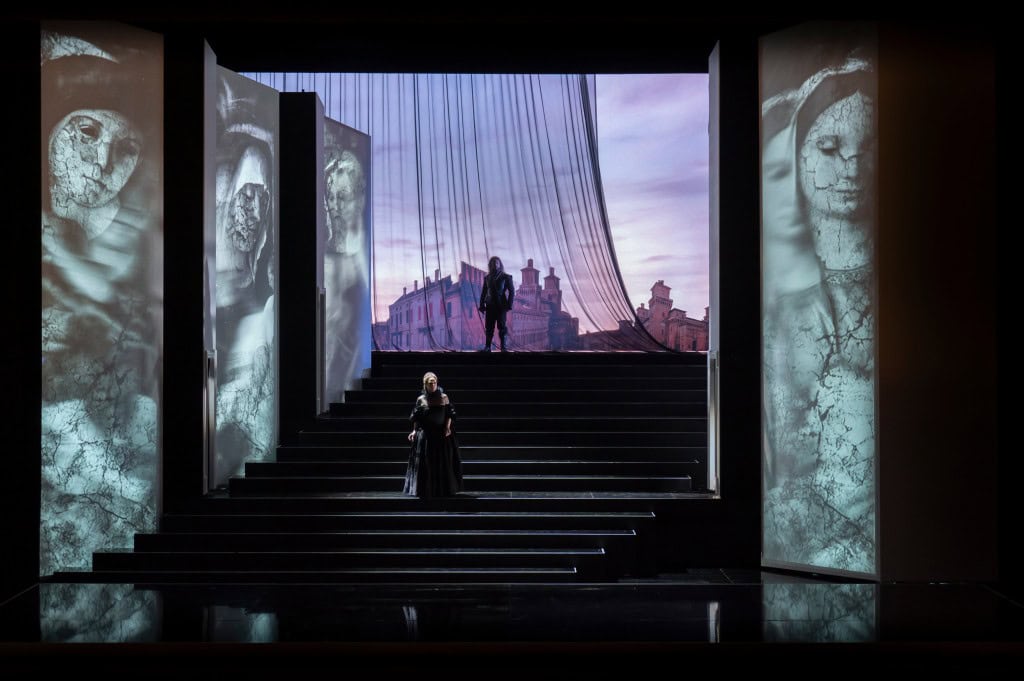
Reviews
Belcantoweelde in renaissancekader
Lucrèce Maeckelbergh
·
15 Apr. 2026
·
4 min read
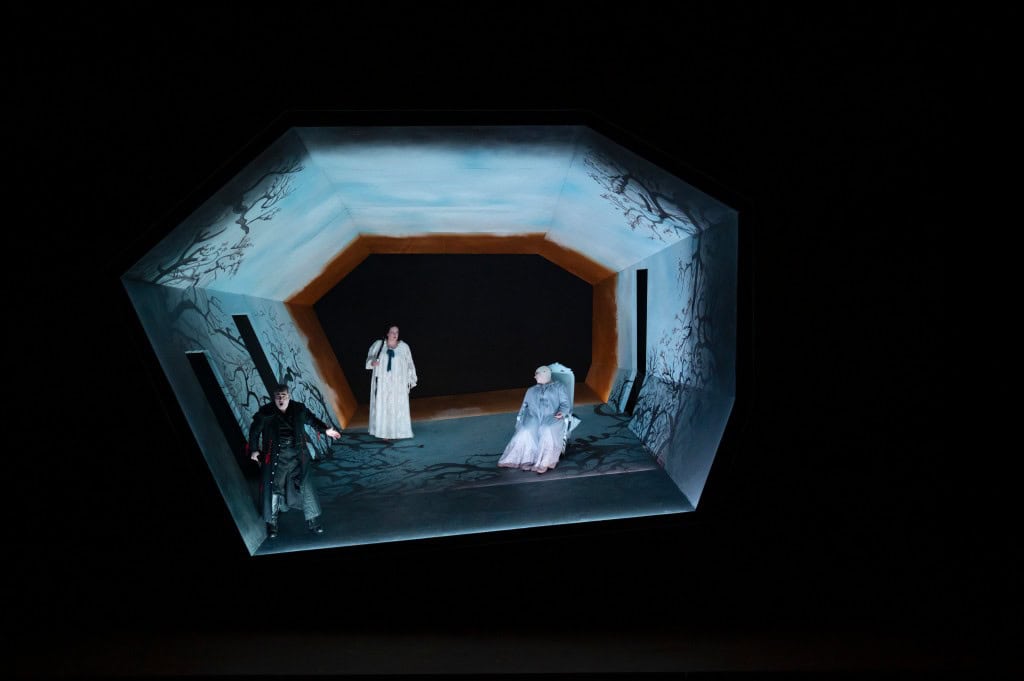
Reviews
Tsjaikovski’s Pikovaïa Dama in Opéra Royal de Wallonie Anekdotiek overheerst drama
Lucrèce Maeckelbergh
·
5 Mar. 2026
·
4 min read
Reviews
Een bruisend feest: Die Fledermaus Opéra Royal de Wallonie Liège
Lucrèce Maeckelbergh
·
4 Jan. 2026
·
3 min read
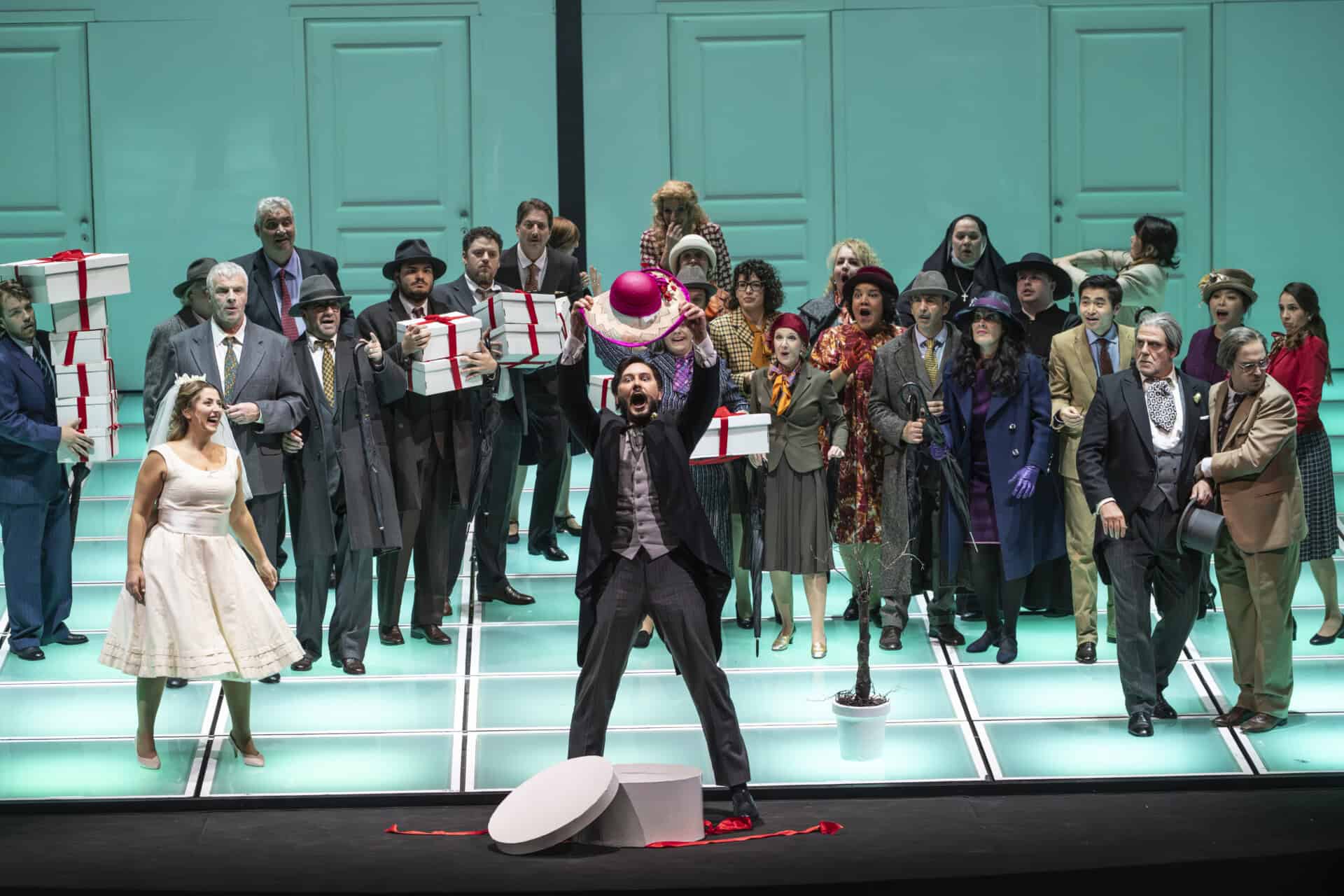
Reviews
Nino Rota, Il cappello di paglia di Firenze
Lucrèce Maeckelbergh
·
19 Nov. 2025
·
4 min read
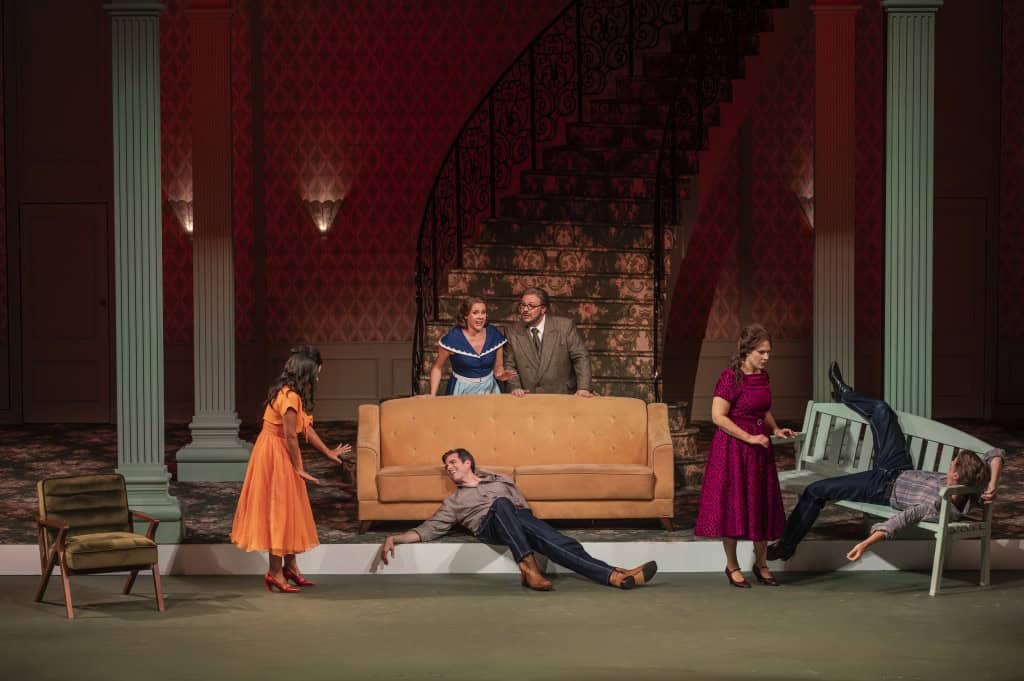
Reviews
Ironisch liefdesspel met -jawel- happy end
Lucrèce Maeckelbergh
·
22 Oct. 2025
·
4 min read
Reviews
Goede doelen voor kleine helden
Arlette Hellemans
·
21 Oct. 2025
·
3 min read
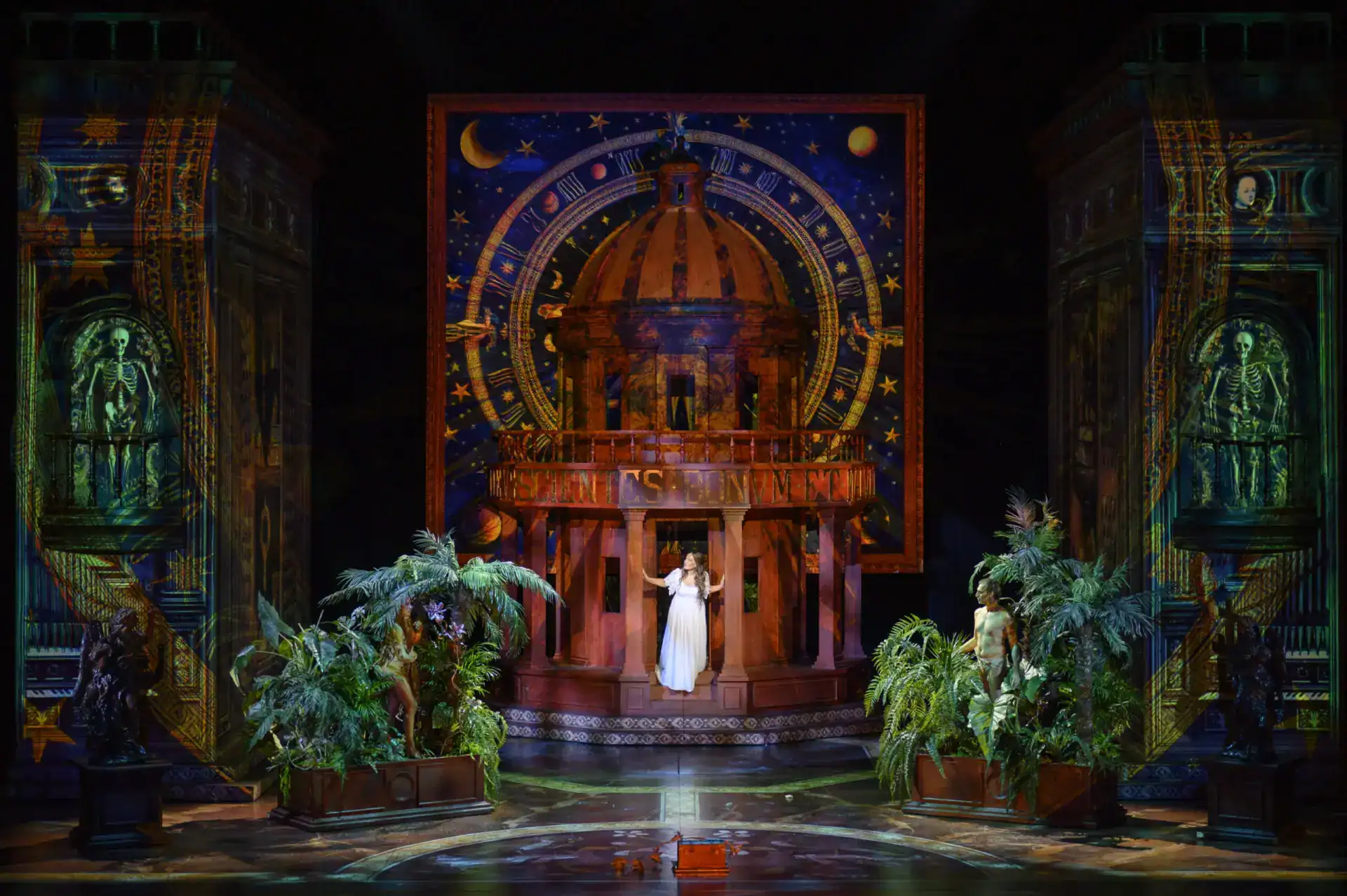
Reviews
Faust in ORW: barokke beeldtaal overheerst melodieuze muziek
Lucrèce Maeckelbergh
·
17 Sep. 2025
·
5 min read
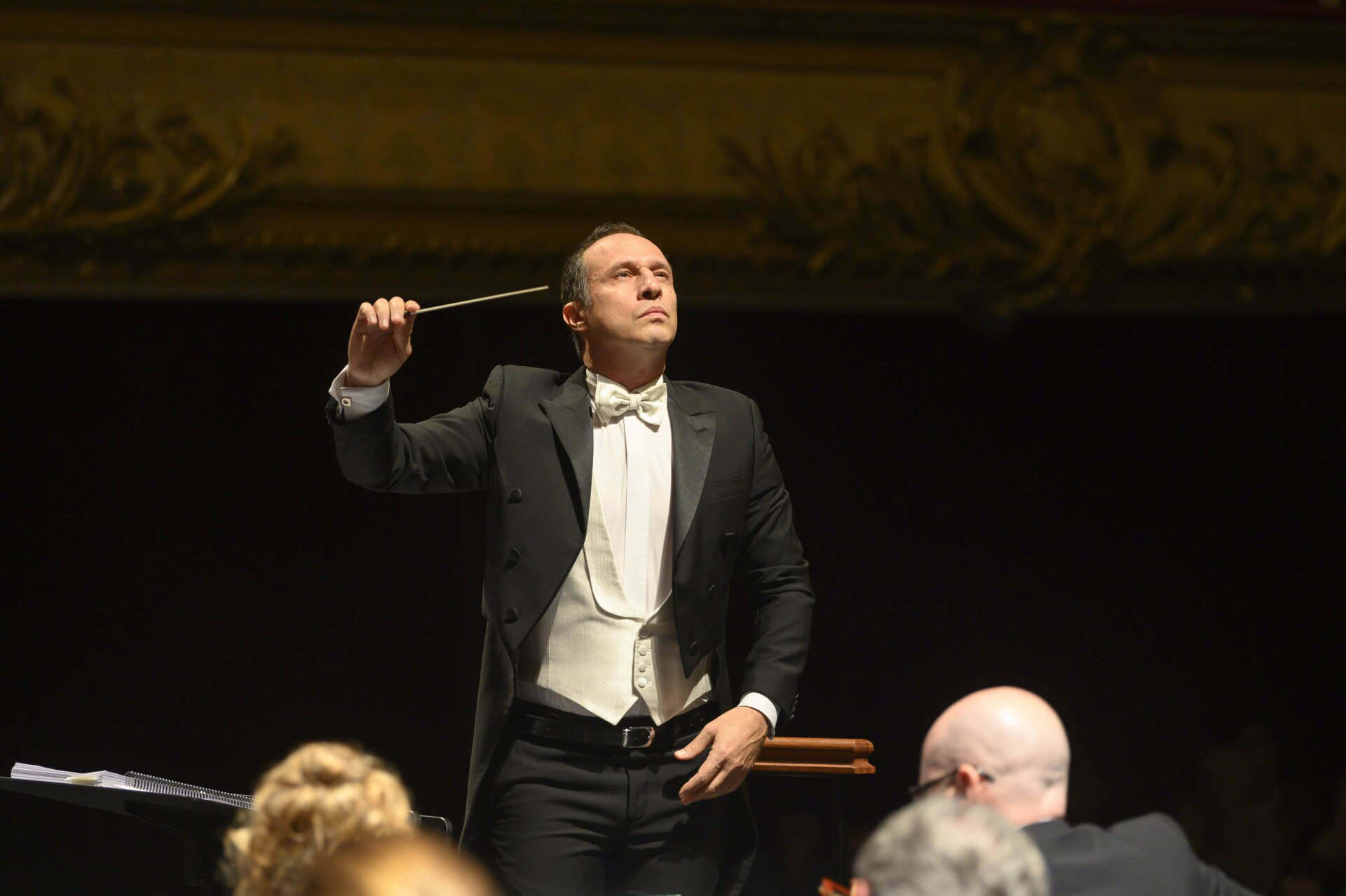
News
Giampaolo Bisanti blijft muzikaal directeur in luik.
Redactie
·
25 Aug. 2025
·
3 min read
Reviews
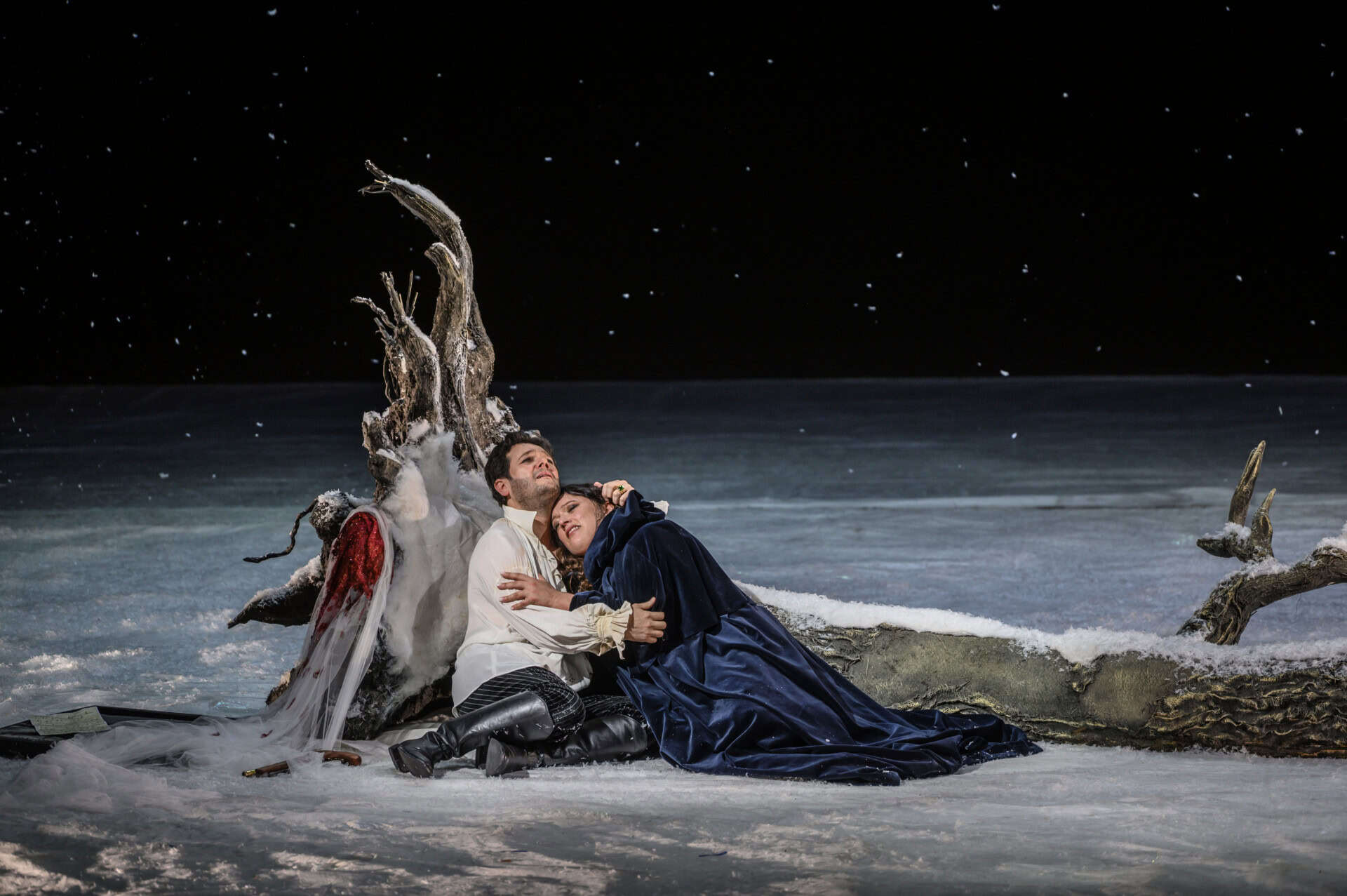
Werther van Jules Massenet in Opéra Royal de Wallonie
Lucrèce Maeckelbergh
·
16 Apr. 2025
·
3 min read
Reviews
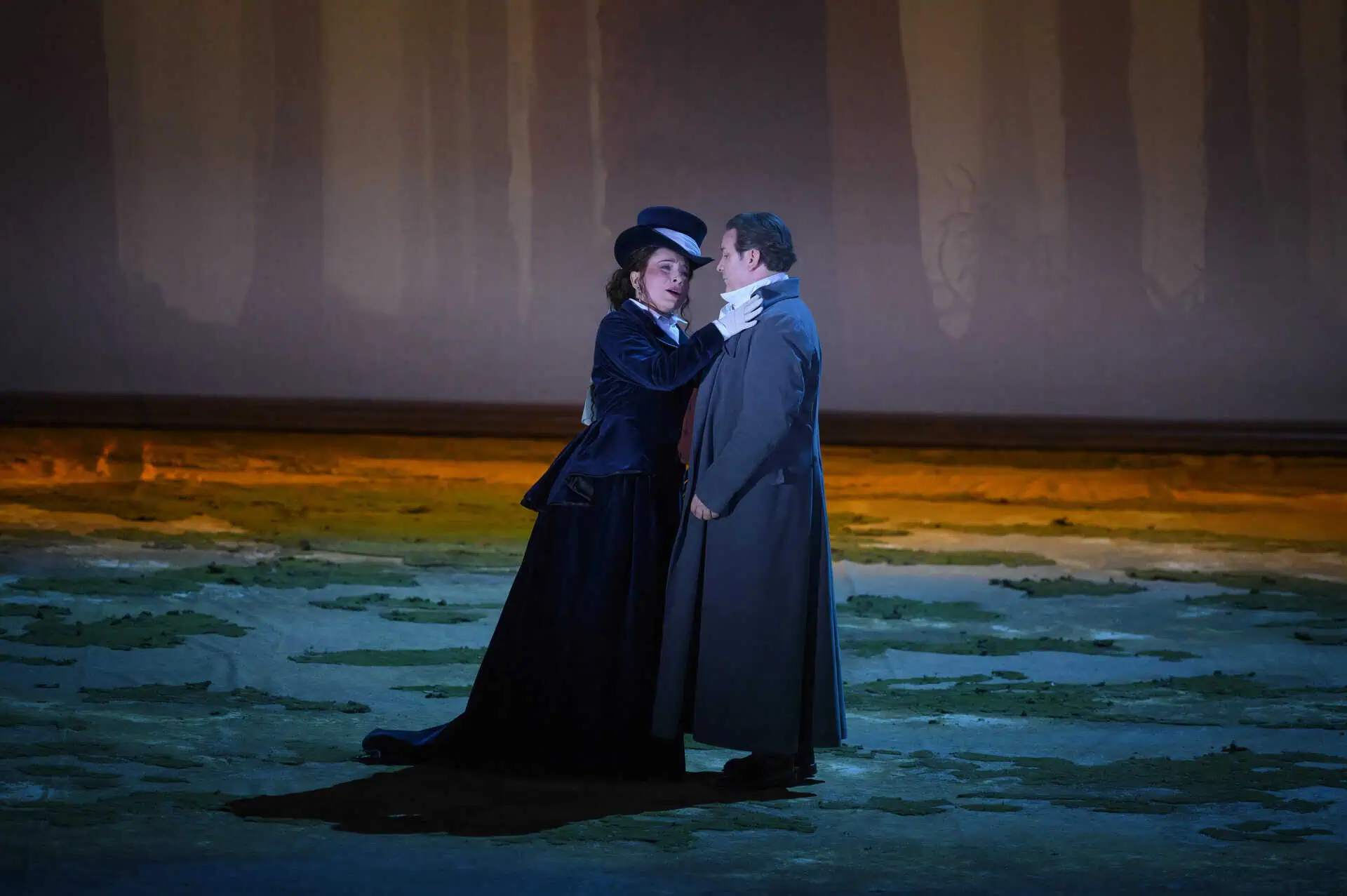
Rossini : Guillaume Tell in de Opéra Royal de Wallonie
Lucrèce Maeckelbergh
·
19 Mar. 2025
·
4 min read
Never miss what moves in classical music
Subscribe to our newsletter.