
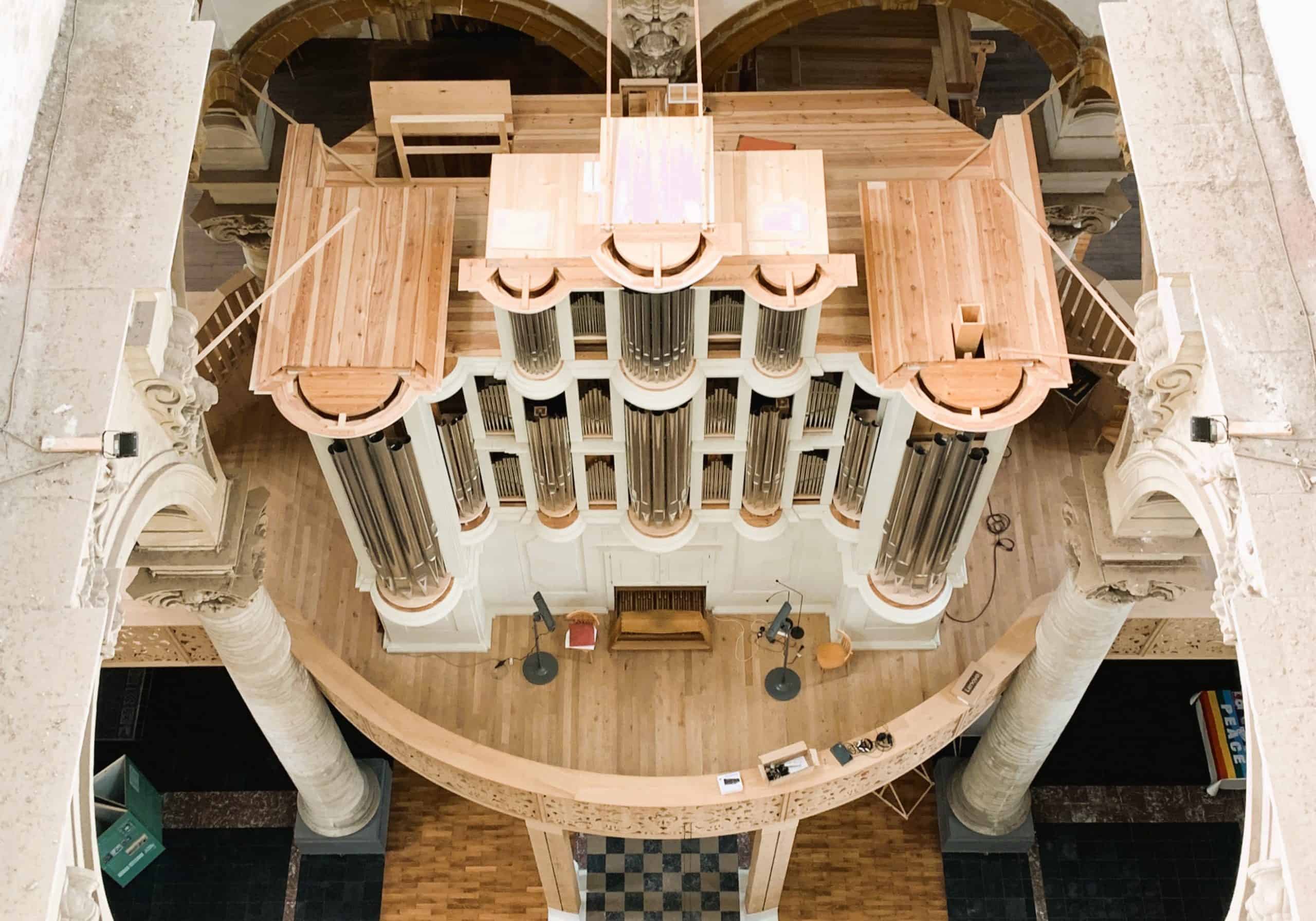
In this article you will find a retrospective of a special premiere: the first Contius-Bach Festival! In the visual narrative below you can relive this unique period. But first, a look into the near future: the fifth recital in the special series of 18 concerts, in which international young professionals perform the complete organ works of J.S. Bach on an instrument that is rarely so well suited for it: the Contius organ in Leuven's St.-Michiel Vredeskerk.
On Tuesday, September 20, at 20:30, Emmanuel Arakélian performs a recital in which both the intimate poetry and the grandeur of Bach's organ music come to life. Order your tickets via this link!
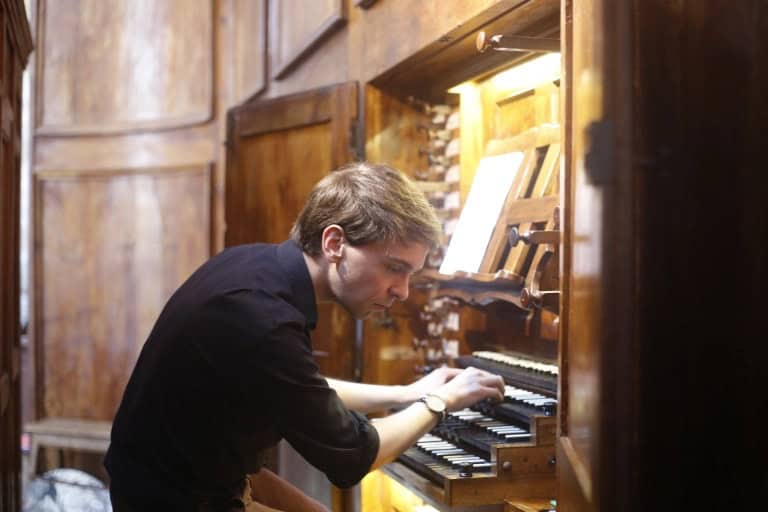
Emmanuel Arakélian (Avignon, 1991) is regarded as one of the young French organ talents. After studying organ and harpsichord at the Paris Conservatoire National Supérieur, he won prizes at the competitions in Lausanne and Béthune. He is currently a teacher at the Marseille conservatory and organist of the impressive historic organ of Saint-Maximin-la-Sainte-Baume.
His Leuven concert program encompasses, alongside a colorful palette of small-scale chorale arrangements and a literally light-footed trio sonata, also the grand Prelude and Fugue in B minor, BWV 544, so poignantly described by novelist/biologist Maarten 't Hart:
In the Prelude in B minor, a biting, sharp, almost malicious, Hitchcock-like twilight world is evoked. It is as if Bach foresaw the misery of the twentieth century. The fugue follows seamlessly from this overwhelming harshness.
Maarten 't Hart, in: Johann Sebastian Bach (Amsterdam, De Arbeiderspers, 2000)
The first Contius-Bach Festival: a retrospective!
In early July, there was quite a commotion in Leuven's Michiel church: for a week, the organ motor rarely stopped, a radio team connected the church with the entire country and beyond, international guests cast curious and eager glances toward the organ gallery, and above all, the organ sounded in all its beauty!
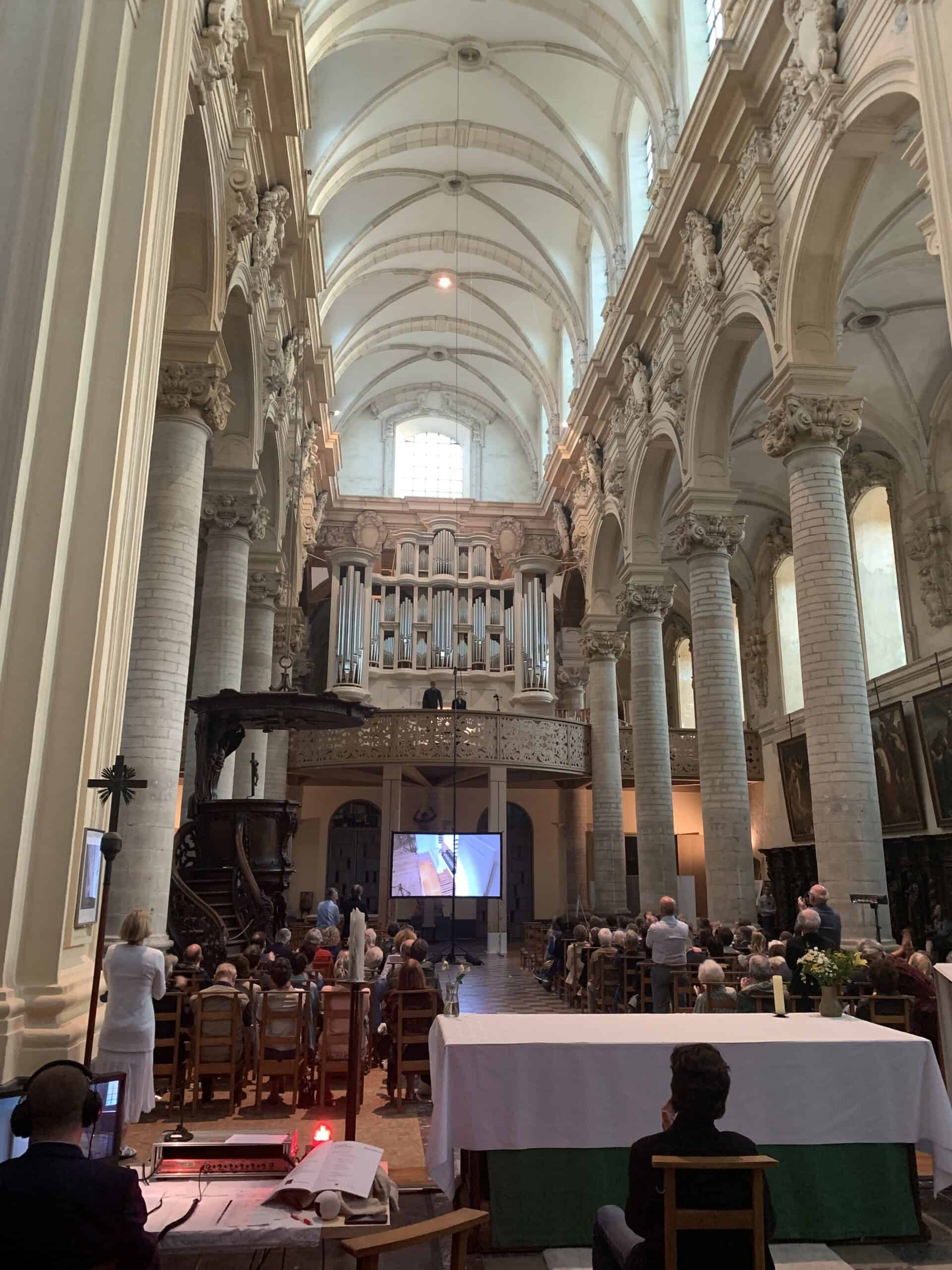
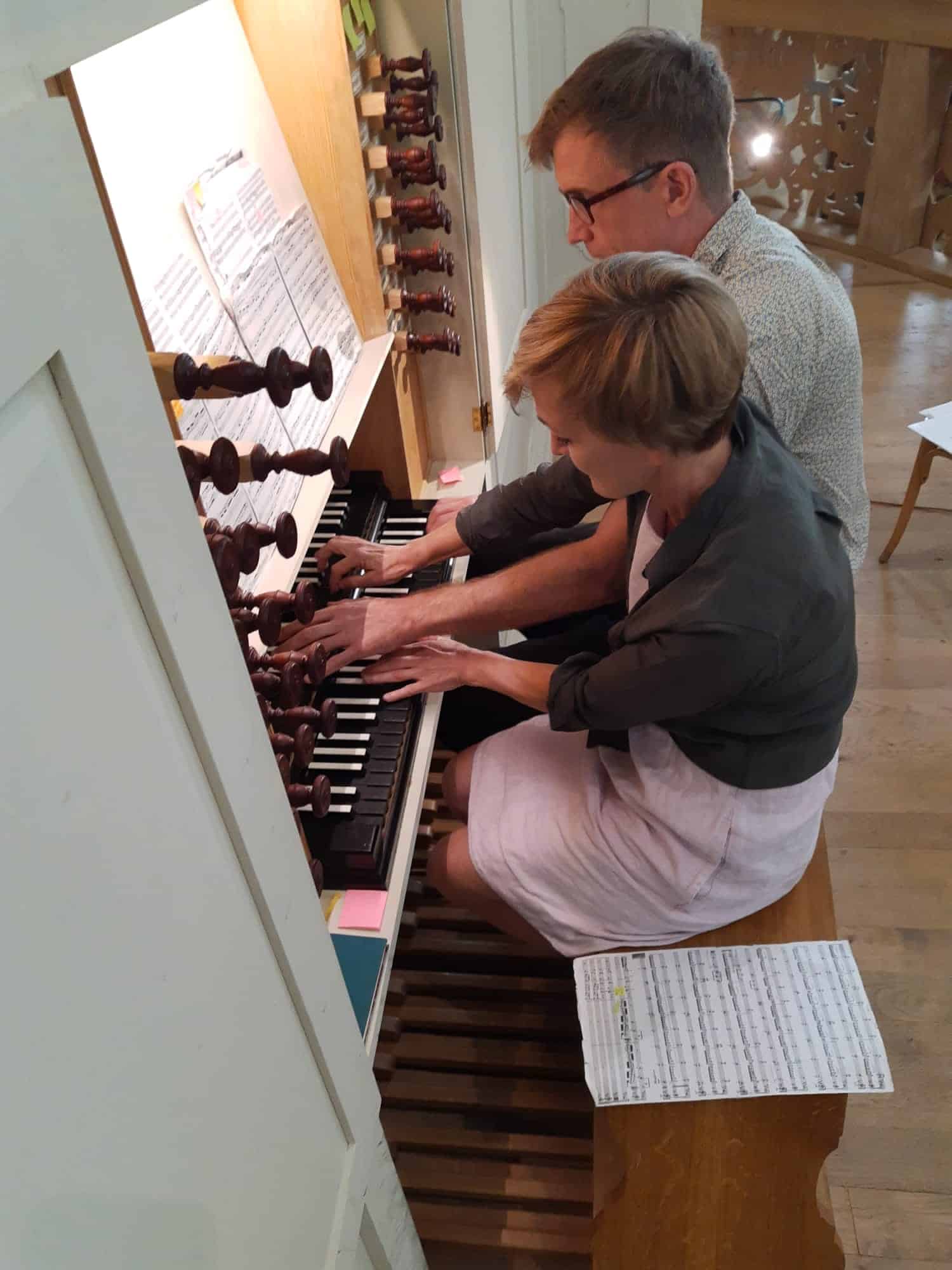
On Friday, July 1, the opening concert took place: the organ couple Annette Richard and David Yearsley brought the Bach family to life in both solo and four-hand music. The red light in the photo above warns: the radio audience of Klara, throughout the country and beyond, can also listen in! Moreover, concert visitors were able to follow the performances on the organ gallery through a video link (thanks to the technical creativity of team members Wim Winters and Daan Geysen). Thus, the tender, four-hand entanglements of the organ couple (photo above right) provided a special spectacle!
In an improvised radio studio, in the hall next to the church, various participants gave interviews. Below, organ builder Joris Potvlieghe and Bernard Foccroulle, chairman of the Artistic Council, interviewed for Radio Klara. Quite serious, it seems!
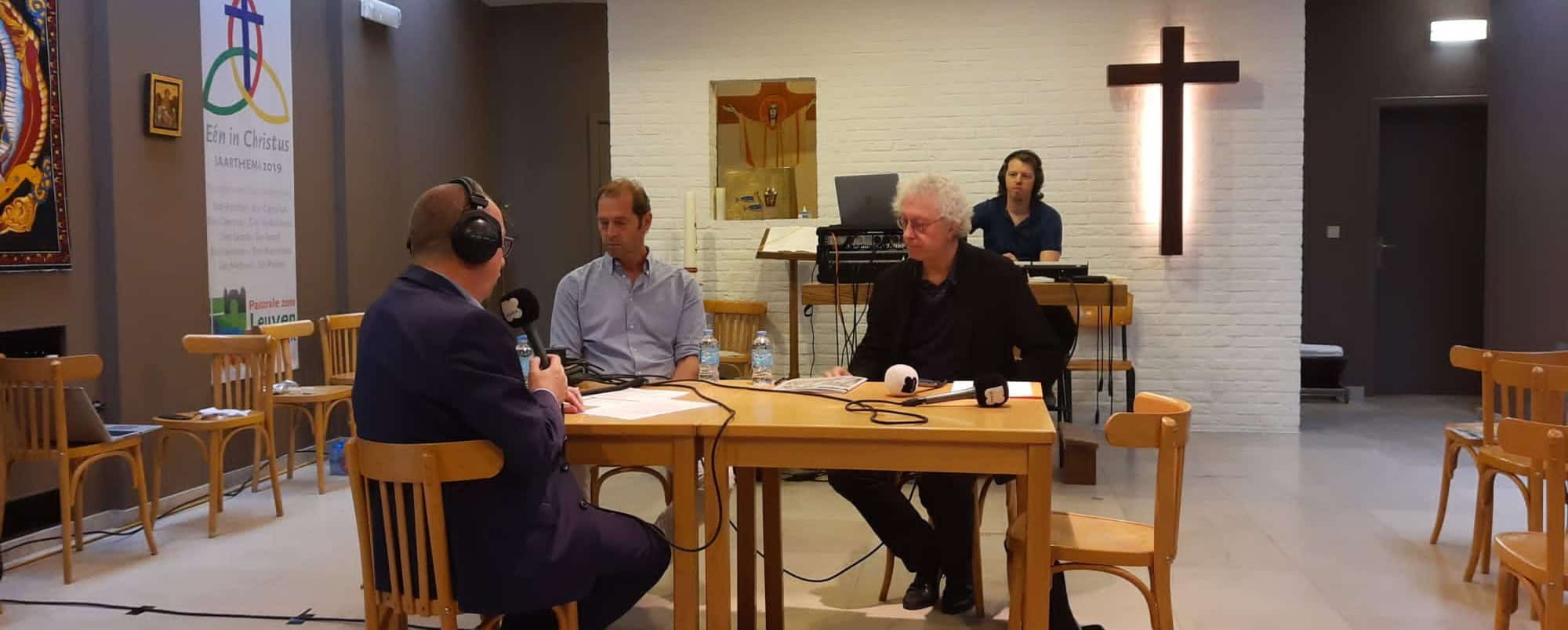
Four more concerts followed, in which the organ not only sounded as a soloist (Pieter van Dijk (Alkmaar) and Benjamin Alard (Paris)), but was also presented as a liturgical instrument (David Burn (Leuven)) and served as an accompanying instrument in the baroque ensembles "a nocte temporis" conducted by Reinoud van Mechelen and "In Alto" with Bernard Foccroulle.
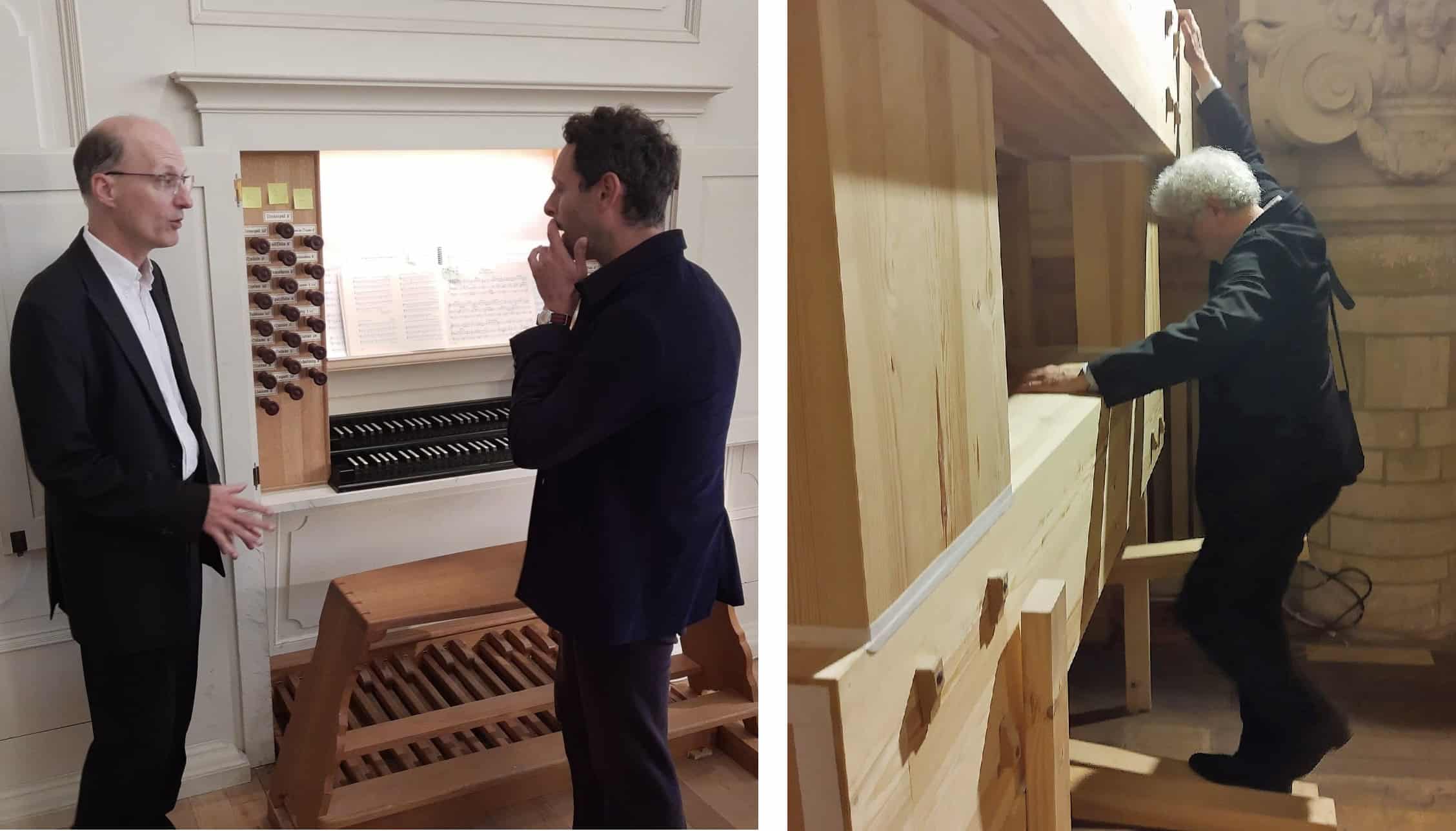
The Contius organ faced some competition during the Festival! Two beautiful clavichords, generously made available by Joris Potvlieghe (builder of both the organ and the clavichords) and Wim Winters, charmed both the audience and the players with their soft powers. The instruments "stayed" during the Festival at the Hollands College, a beautiful late-baroque building that provided a dreamed-of setting for Winters' clavichord recital, in which Bach, Mozart and Beethoven seemed to meet each other as old acquaintances.
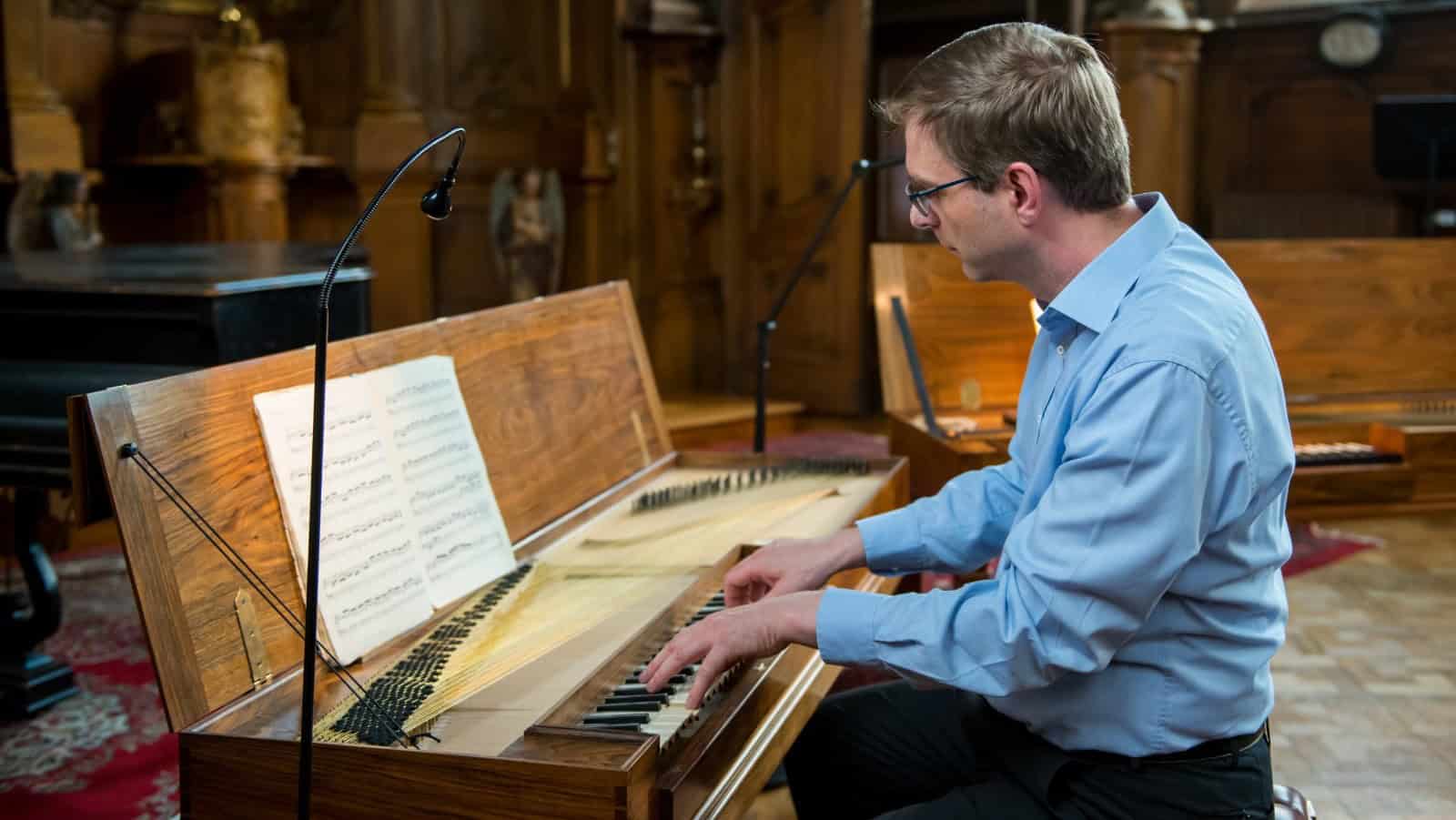
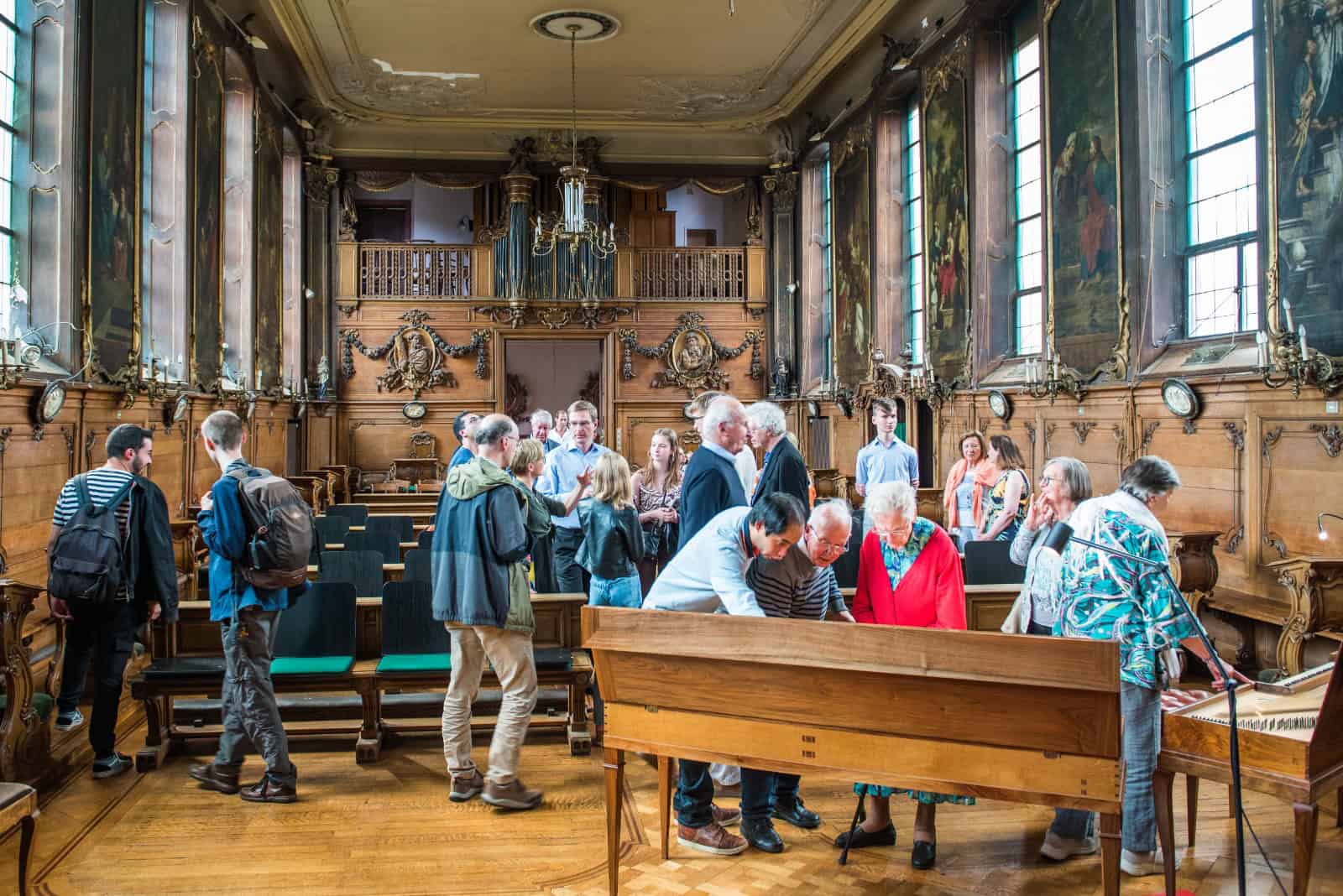
In the 17th and 18th centuries, the clavichord was particularly popular. Its simple yet hypersensitive mechanics make it an ideal and critical study instrument, on which organists can sharpen their technique, but it also offers unique dynamic possibilities, allowing much old keyboard music to sound extremely expressive on it. The instruments were barely safe from the curious public:
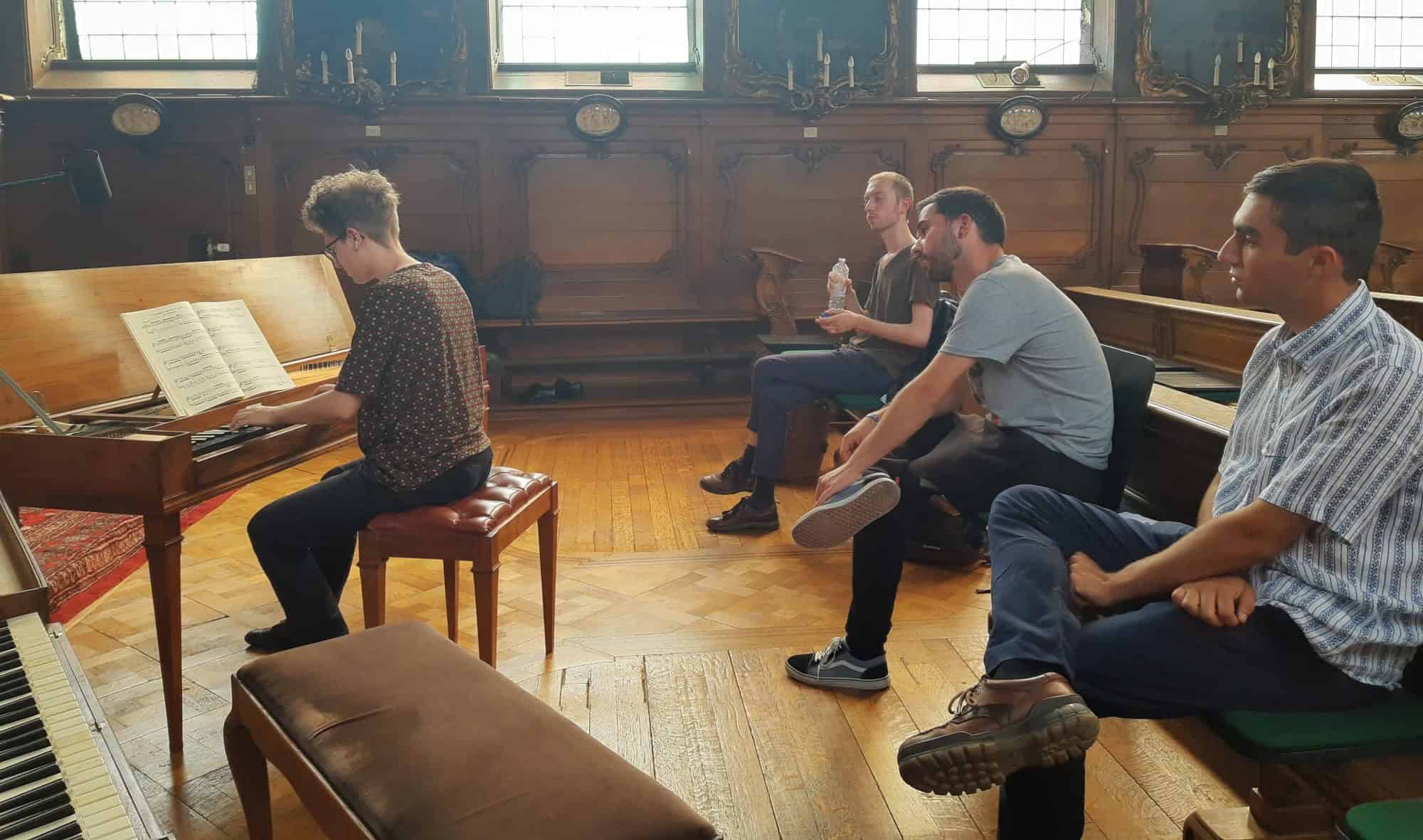
Both the organ and the clavichords were also the venue for a series of private lessons to young keyboard players, given by the performing organists. The authentic construction method of the instruments places demands on the technique of the modern player. When the player discovers the required sensitivity and flexibility, new expressive horizons open up.
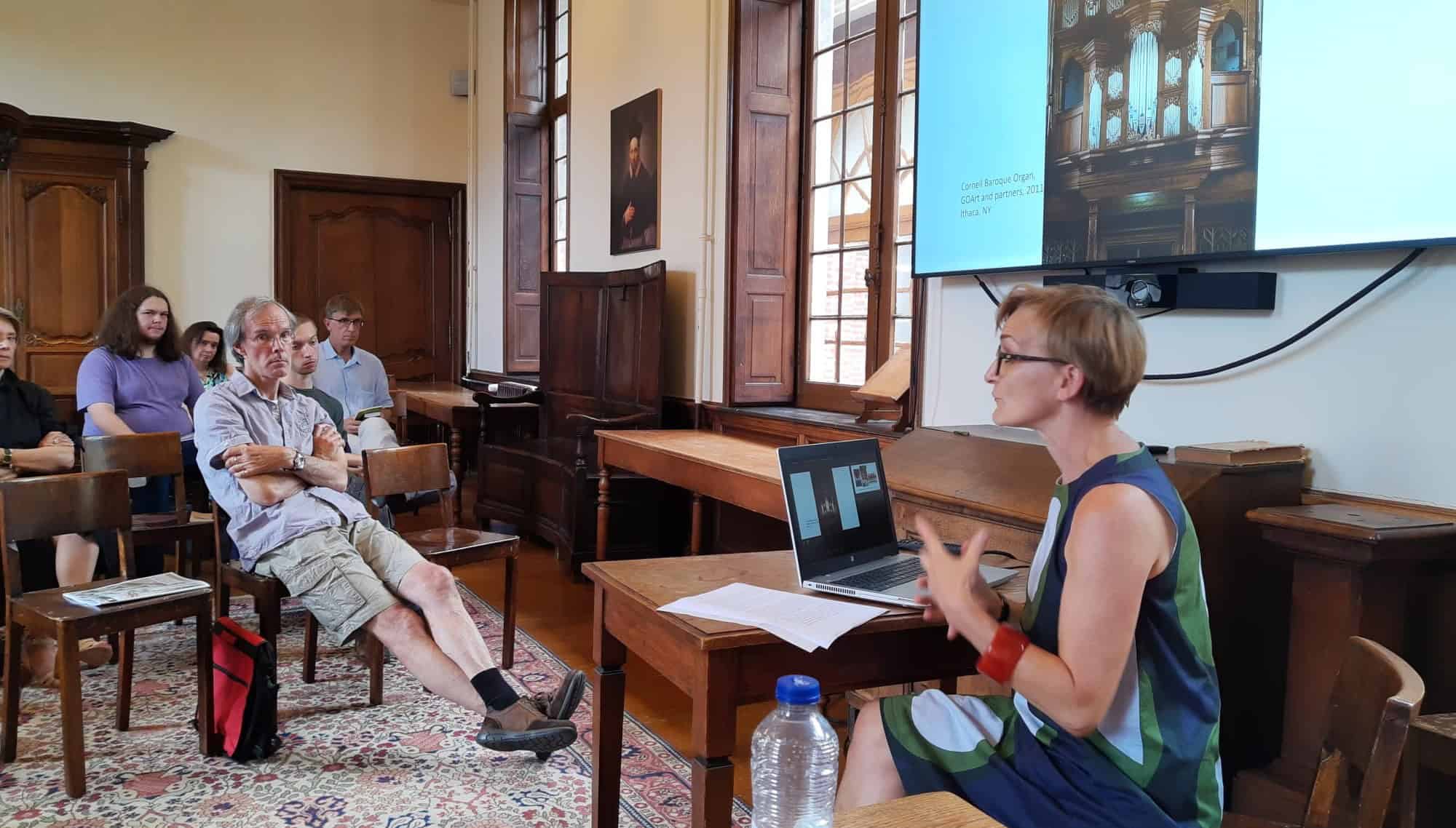
The Festival naturally also offered various opportunities for formal and informal meetings between the public and musicians. An inspiring symposium took place at the Hollands College, where the Contiusorgel was highlighted from different perspectives by organists and organ builders: the organ as a craft work, the organ as a teaching tool, as part of the Leuven organ landscape, and as a driver of projects with (inter)national reach.
The Contius Foundation looks back on a special and successful first festival week, and is already looking forward to a new edition!