
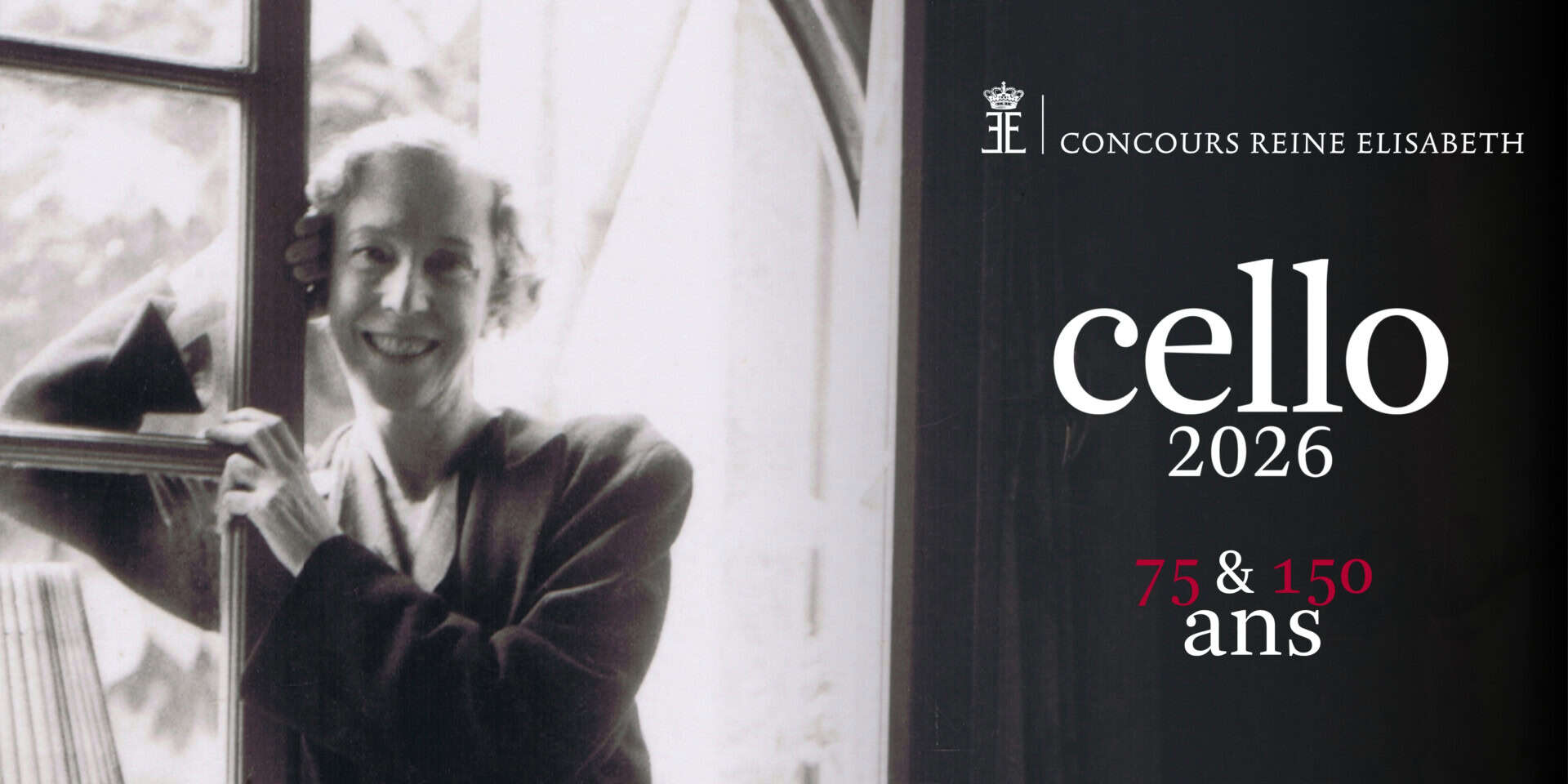
In the musical landscape of the Low Countries, 2026 occupies an exceptional place, as if history and the future meet in a single year: the Queen Elisabeth Competition, the competition that since 1937 has launched young soloists and built an international reputation as a laboratory of musicality, celebrates its 75th anniversary, together with the 150th birthday of its namesake, Queen Elisabeth, and the 150th anniversary of Pablo Casals, a cellist who made the world rediscover his instrument and who still stands as a symbol for the ideals of interpretation, technique and artistic authenticity. Three stories, three lives, three influences, which in 2026 unite in a single breath into a jubilee that both reflects on the past and looks ahead to the future.
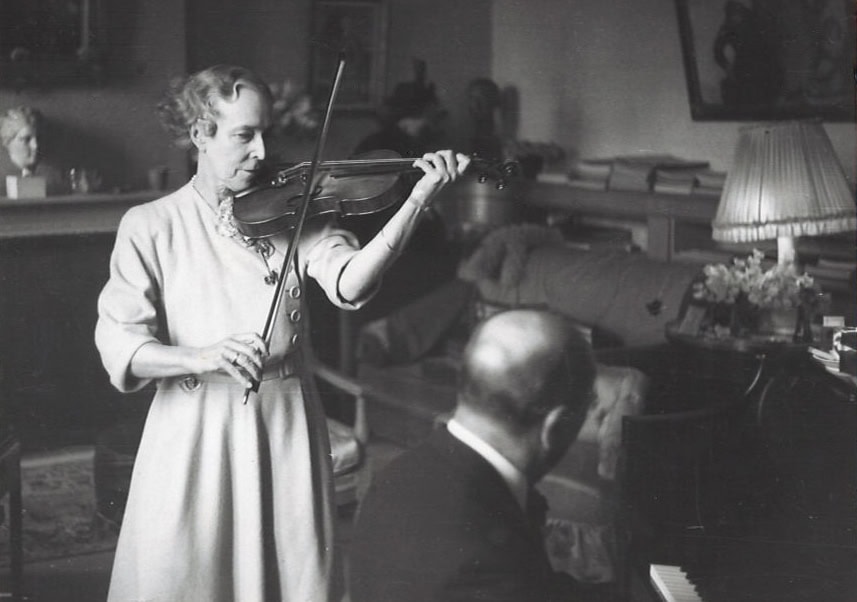 The competition was founded in 1937 as the Eugène Ysaÿe Competition, a tribute to the master of the violin, and after the Second World War received its current name. From the first editions, it established itself as an international platform where young artists from all corners of the world meet, challenge each other and measure themselves against a tradition of exceptional musical acuity. While many other competitions have faded over the years into nostalgia or commercialism, the Elisabeth Competition remains a living organism: a stage where craftsmanship, curiosity and international ambition meet and strengthen each other.
A jubilee that transcends cities and concert halls
The year 2026 is not limited to a single final round in Brussels or a festive opening; it unfolds across multiple cities and venues, each carefully chosen to embody the history, heritage and future of the competition. In Antwerp and Waterloo, the so-called Elisabeth Week is organized, in which pianist Sergei Redkin, together with the Antwerp Symphony Orchestra and musicians of the Musikkapel Koningin Elisabeth, presents a programme that highlights both tradition and contemporary expression. The public is not a passive observer, but witness to a process in which music manifests itself as living, breathing art, connected to the city, its halls and its history.
Later in the year, at Flagey and deSingel, ten laureates from different generations are brought together. Their concerts form no linear reconstruction of the past, but a dialogue: between young virtuosity and the legacy of former winners, between repertoire that transcends centuries and contemporary creations that explore the boundaries of interpretation. At the same time, an exhibition opens in Brussels that unlocks the competition's archive, from handwritten scores to iconic photographs, with each object telling a story of the ambition, talent and effort required to perform at the highest level. A specially designed jubilee stamp serves as a tangible reminder of the connection between monarchy, music and culture and marks the presence of Queen Elisabeth as a living symbol of this heritage.
The cello in the light of Pablo Casals
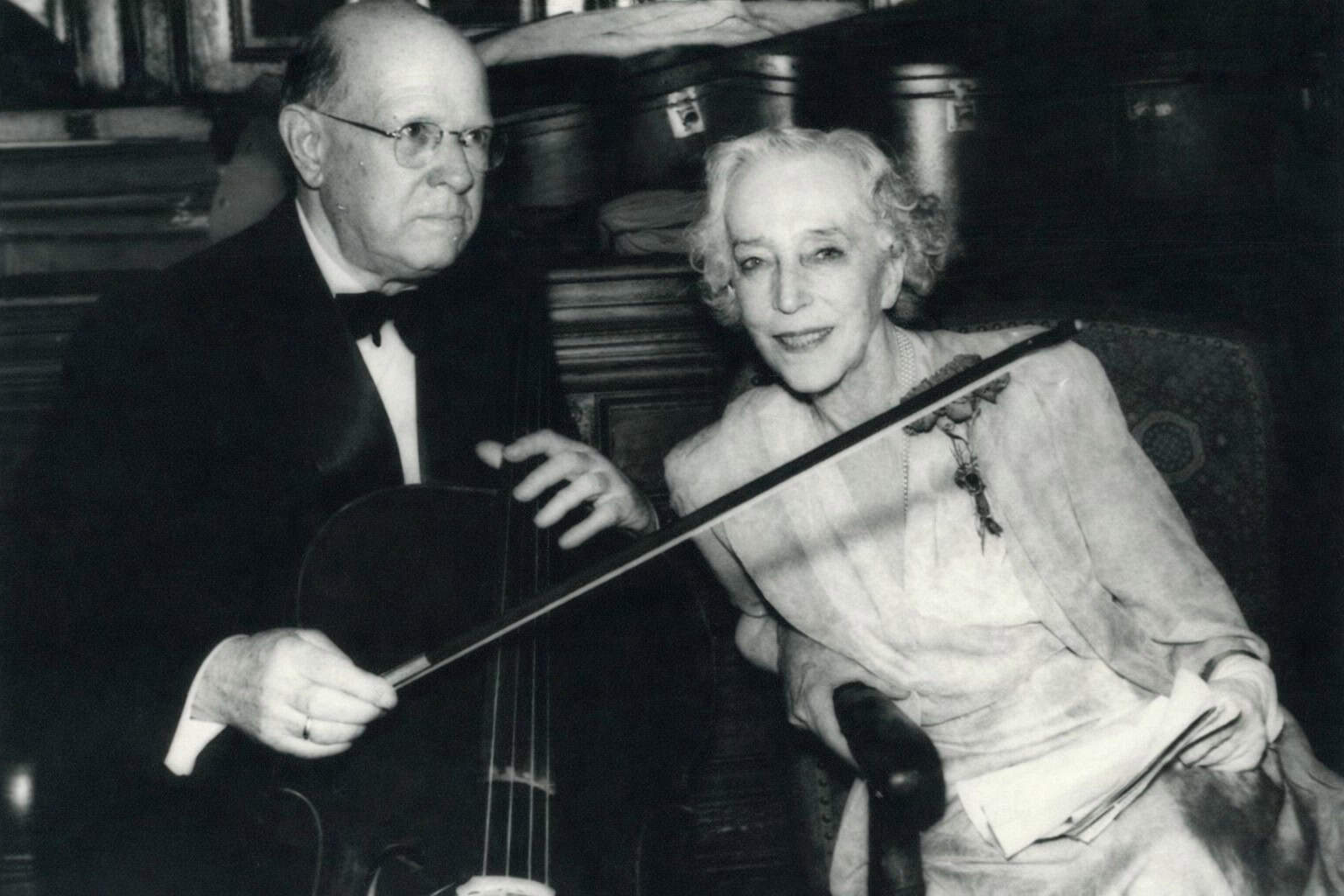 The year 2026 places the cello at the center, as a tribute to Pablo Casals, whose 150th anniversary provides the inspiration for this edition. The instrument that made Casals world-famous, the cello, becomes a bridge between generations. The first laureate of the Cello Competition receives the exceptional Goffriller cello 'Casals' (1733) on loan, a historic heirloom that stands as a symbol of continuity, tradition and the transmission of artistic fire from master to pupil. The programme, carefully compiled, showcases the full spectrum of cello virtuosity: from Baroque refinement to contemporary expression, from intimate chamber music to grand concertos. It is a subtle but powerful message: the Elisabeth Competition is not a museum, not an echo of the past, but a living laboratory of musical renewal, where past and future meet.
An ecosystem of talent and international reach
The strength of the Queen Elisabeth Competition lies not only in the prestige of prizes or places of honor. Laureates leave with more than a record of achievements; they gain concerts, international visibility and a network that launches their careers on stages around the world, from Brussels to Tokyo, from London to New York. The competition functions as an ecosystem in which repertoire, craftsmanship, jury expertise and public participation come together in continuous interaction. As Marie Vander Elst, interim secretary-general, puts it: "The three stories of Queen Elisabeth, Pablo Casals and the Competition, combined with a new generation of artists, make 2026 a year in which music lives — in concert halls, cities and in everyday life."
The triple jubilee of 2026 shows that classical music can be more than nostalgia. It demonstrates how tradition, talent development and international ambition unite in a year that launches young talent, engages the public and anchors classical music in a dynamic, contemporary world – a year in which music truly lives, breathes and inspires.
Important dates of the jubilee year 2026
- End of January: Elisabethweek in Antwerpen and Waterloo
- Early March: Youth concerts in Brussel, Leuven and Louvain-la-Neuve
- End of March: Queen's Delight, concerts by laureates in Flagey and De Singel
- May-June: Elisabethwedstrijd in Flagey and BOZAR & laureate concerts
- Special initiatives: Jubilee stamp, exhibitions, masterclasses, pedagogical workshops
Klassiek Centraal will attend several of these events and report on them.
For the full program we refer to: https://koninginelisabethwedstrijd.be/nl/75-150-jaar/