
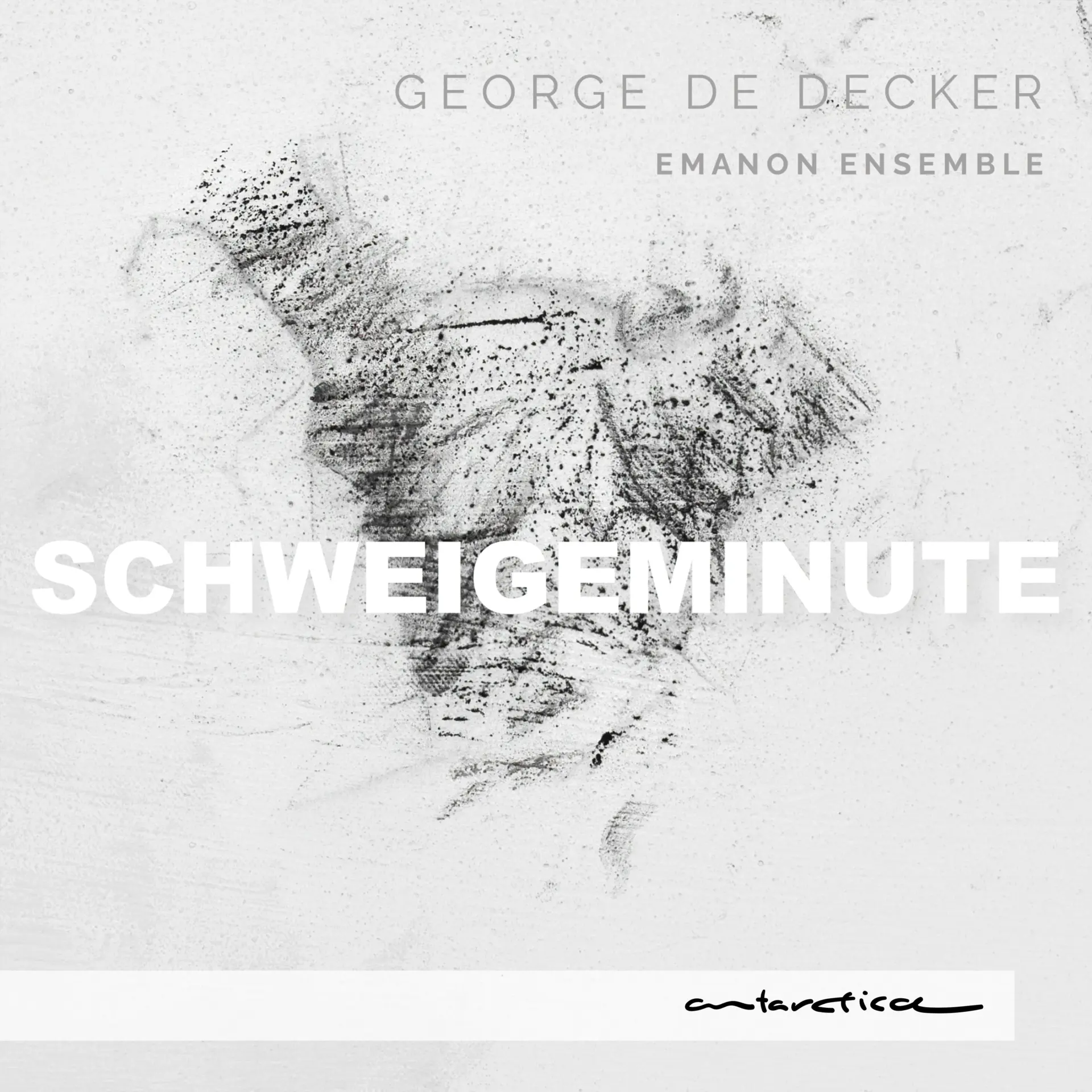
George De Decker, the Belgian composer and artist, created a masterpiece in 2009 called SCHWEIGEMINUTE. This piece, written for tape, clarinet, violin, piano and cello, is a profound reflection on silence and memory.
The inspiration for SCHWEIGEMINUTE came from various sources. The painting "Der Mönch am Meer" (1808) by Caspar David Friedrich set the creative process in motion. De Decker imagined what the solitary monk would see if he turned around: a deserted beach as a counterpart to the sea, an empty plain where memories of loved ones are buried.
The power of language and title
The title "Schweigeminute" is carefully chosen. De Decker found in this German word a better translation for the sentiment of a moment of silence. 'Schweigen' (to be silent) is more active and more inward-directed than 'silence', which denotes a passive, external absence of sound.
Rain as metaphor
De Decker composed SCHWEIGEMINUTE from the concept of 'rain'. He imagined how soft rain underscores the silence around a gravestone, a subtle metaphor for grief and remembrance.
Visual and auditory synergy
As a multidisciplinary artist, De Decker designed the album cover himself, bringing together the visual and auditory aspects of his work. This fits within his broader oeuvre, in which sound and image always influence each other.
The Emanon Ensemble
SCHWEIGEMINUTE was performed by the renowned Emanon Ensemble, consisting of Raf De Keninck (clarinets), Hans Van Kerckhoven (violin), Thomas Frühauf (cello) and Erwin Deleux (piano). The live recording took place on 13 October 2008. George De Decker remains a unique voice in contemporary classical music, with his ability to weave emotion and contemplation into powerful compositions.