
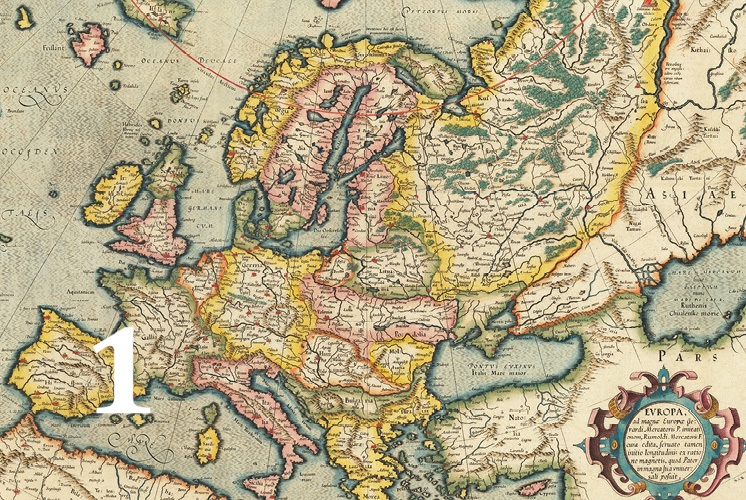
Exactly two months from now, on August 21, Laus Polyphoniae 2026 starts: the annual high mass of early music in Flanders. This year's theme is Polyphonic Europe circa 1600. In three installments I will take you through the program, here and there with a personal touch.
This year's theme may seem less imposing at first glance than last year's (Music from the time of the cathedral builders), but it is no less challenging or inspiring. As the introduction on the well-organized website explains, Europe around 1600 stood on the threshold of a new era.
The opening concert immediately sets the tone, both in terms of performers and repertoire: Tenebrae brings Victoria's Requiem. The ensemble is conducted by Nigel Short, whom I still remember from his time with The King's Singers. For several years he has been leading Tenebrae (literally translated "darknesses") with great finesse and expressiveness. The name is aptly chosen: the Tenebrae liturgy from Holy Week breathes an intense, hushed atmosphere that seamlessly connects with Victoria's masterful composition.
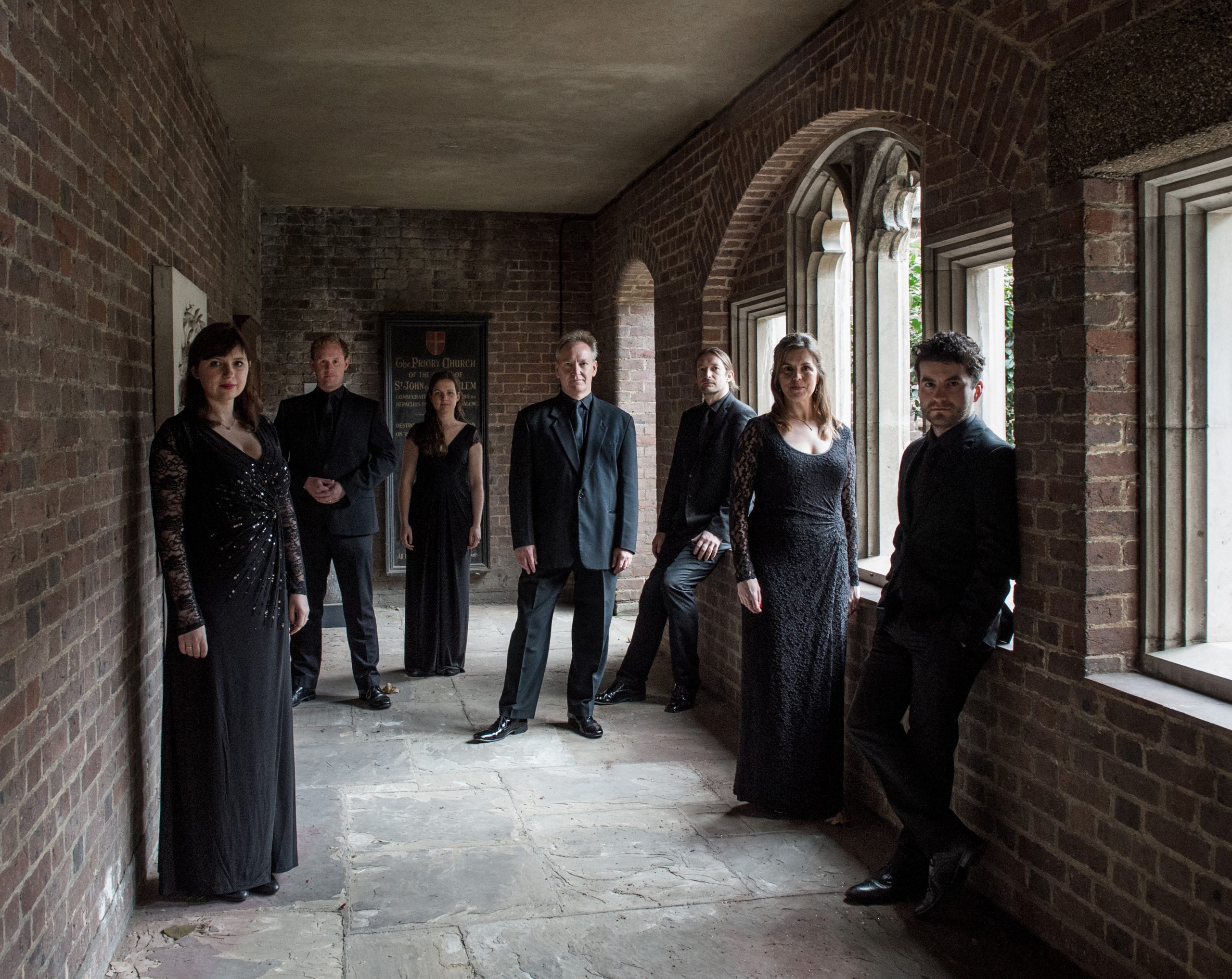 It's still funny: every time I see "Tenebrae through Tenebrae" written down, I smile a little. I once had to announce it that way myself, and it remains a delightful source of confusion. But that's exactly what makes it so beautiful: the name is no coincidence, but a deliberate choice that perfectly coincides with the atmosphere of the repertoire.
But tonight no Tenebrae, but Victoria's Requiem. In my opinion one of the highlights of polyphony: music that is both austere and intense, emotional without becoming pathetic. Not cheerful but comforting, "stilling" as one might say. In any case music that - if you listen carefully with your eyes closed - slows down your heartbeat and opens your emotion.
My only small concern concerns the location: the Handelsbeurs. At a previous concert, someone once forgot to turn off the air conditioning there. Let's hope that this device doesn't play a disruptive leading role this time in an otherwise undoubtedly sublime evening.
On Saturday, August 22, the festival really kicks off, with no fewer than eight events between 10 in the morning and 10 in the evening. Honor to whom honor is due: this is a real festival, where young talent also gets a platform. It would be inappropriate to single out one ensemble from the International Young Artist's Presentation (IYAP) here, so I cordially invite you to consult the excellent website yourself.
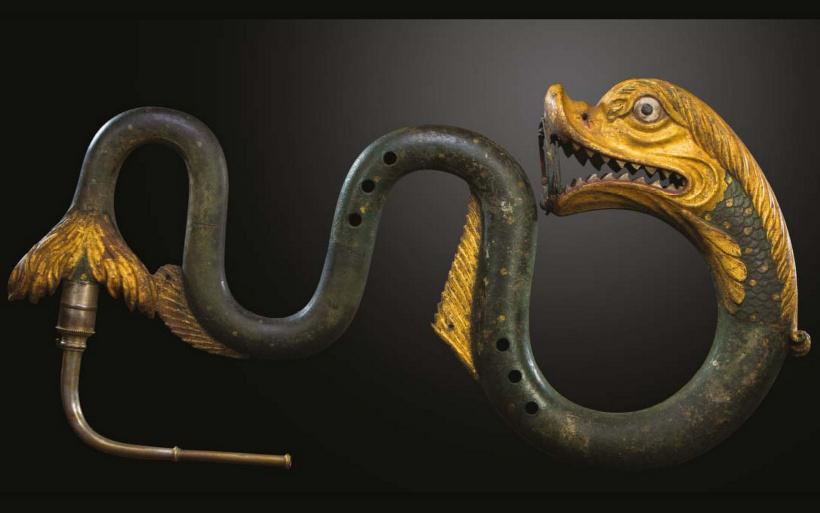
That brings us to the evening concert (or rather: the evening concerts). The first evening program features varied polyphonic repertoire, including Pevernage, Du Caurroy, Lassus and Titelouze. On stage is Les Meslanges, a French ensemble from Normandy, specializing in Renaissance music and early Baroque. It was founded by conductor and singer Thomas Van Essen and is known for its refined interpretations and high artistic level. I am particularly curious. Moreover, you get the chance to hear less common instruments, such as the serpent-bassoon or the (bass) serpent.
This musical highlight is concluded for the stalwarts with an absolute masterpiece by Lassus: Lagrime di San Pietro, performed by another luminary: Philippe Herreweghe and his Collegium Vocale. For the faithful festival-goer, neither work nor performers require any explanation.
I wish you a harmonious night's rest after this intense day, completely ready for what comes next.
To be continued.
click here for all info and tickets