Skip to content
Automatically translated · original
News

Paavo Järvi and the Mahler cycle: a new chapter with the Fifth Symphony

R
· 3 min read
Share this article
Paavo Järvi and the Mahler cycle: a new chapter with the Fifth Symphony

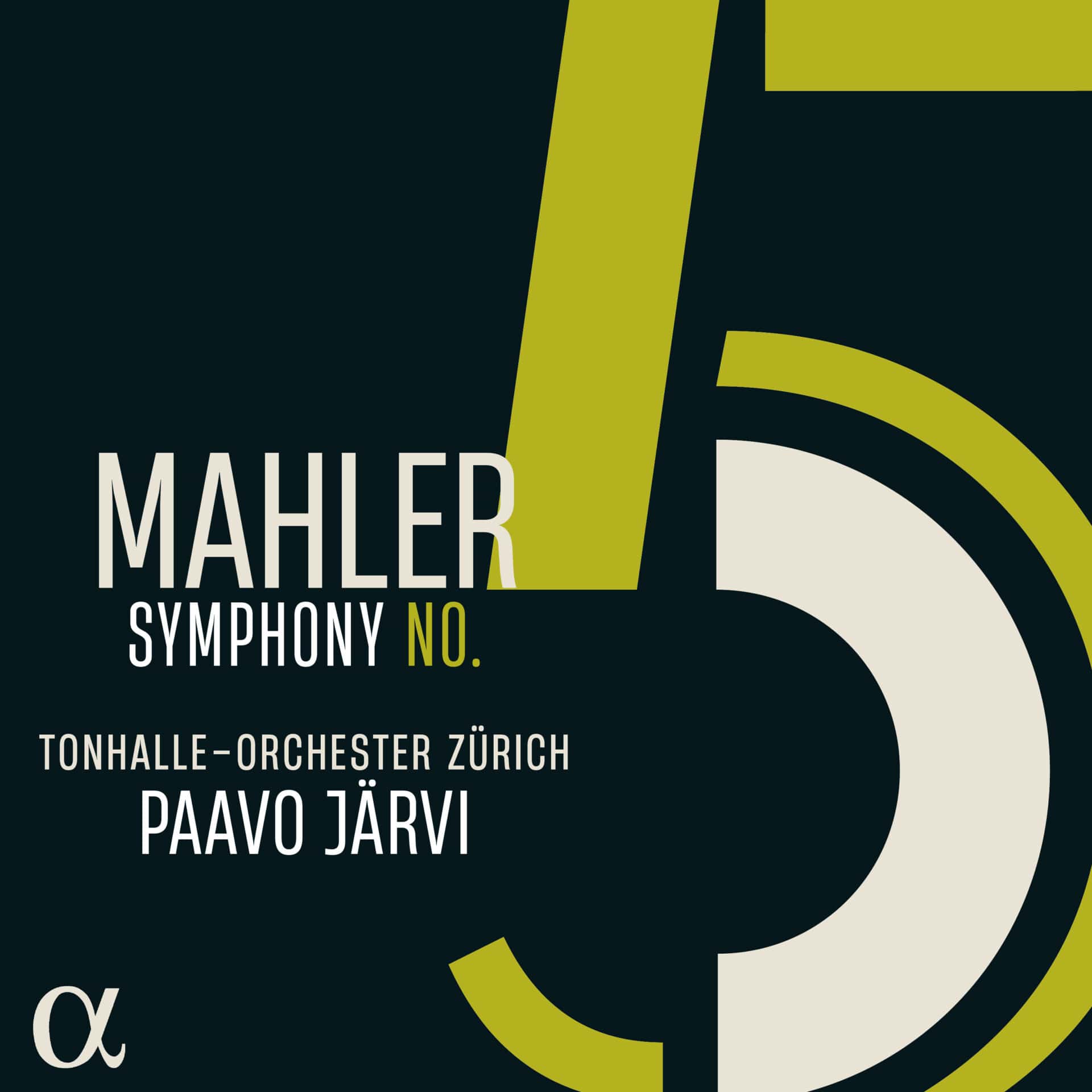
The recently released recording of Mahler's Fifth Symphony by the Tonhalle-Orchester Zürich under its chief conductor Paavo Järvi marks the beginning of a complete Mahler cycle. For Järvi, a conductor with deeply rooted affinity for Mahler's music, this is a particularly significant moment. He has deliberately waited for the right point in his musical career and for the perfect collaboration with the Tonhalle-Orchester Zürich to document this monumental undertaking.

The maturity of an orchestra and conductor

Since 2019, the collaboration between Järvi and the Tonhalle-Orchester Zürich has been praised by the music press, and this recording for Alpha Classics confirms their status as one of the leading Mahler interpreters of our time. The recording radiates a maturity and strength that testify to a deep understanding of Mahler's complex musical landscape. In the words of Paavo Järvi himself: "With the Fifth, Mahler opened up an entirely new universe, in which he introduced an incredibly personal style of music-making." It is a symphony in which the tragic and the heroic come together in a unique way, with a striking opening: a military funeral march that immediately introduces profound drama.

The dramatic development of Mahler's Fifth

Mahler composed his Fifth Symphony in 1901-1902, a period of both personal crisis and renewed love. The symphony reflects this duality: the first movement opens with a melancholic funeral march, followed by a second movement full of wild, tempestuous outbursts. Mahler then shifts to a playful and dance-like Scherzo, which serves as a transition to the famous Adagietto, perhaps the most beloved movement of the symphony. This Adagietto, a declaration of love in sound, is often performed separately and has become iconic, notably through its use in Visconti's film Death in Venice. The symphony concludes with a rousing and triumphant final movement, in which Mahler brings together all his musical themes in an overwhelming finale. The choice to begin the cycle with this symphony is thus highly significant: the Fifth is both a transitional work and a revolutionary redefinition of symphonic form.

The power of this recording

What makes this recording so special is the way Järvi and his orchestra combine the emotional depth and structural complexity of Mahler's music. The sound quality is superb, with a deep, warm orchestral balance in which the brass and strings shine beautifully. Järvi's interpretation is expressive but not exaggerated; he finds a natural flow that allows both the dramatic tension and the lyrical beauty of the symphony to come fully to the fore. It is clear that this Mahler cycle is a project born from years of experience and a profound musical vision. With this, Järvi and the Tonhalle-Orchester Zürich set the bar high for the subsequent recordings in the series. For Mahler enthusiasts and classical music lovers in general, this recording comes highly recommended.
Tags cd
Share this article

Comments

No comments yet. Be the first to comment.

Leave a comment

Comments are reviewed before they appear.

EN