
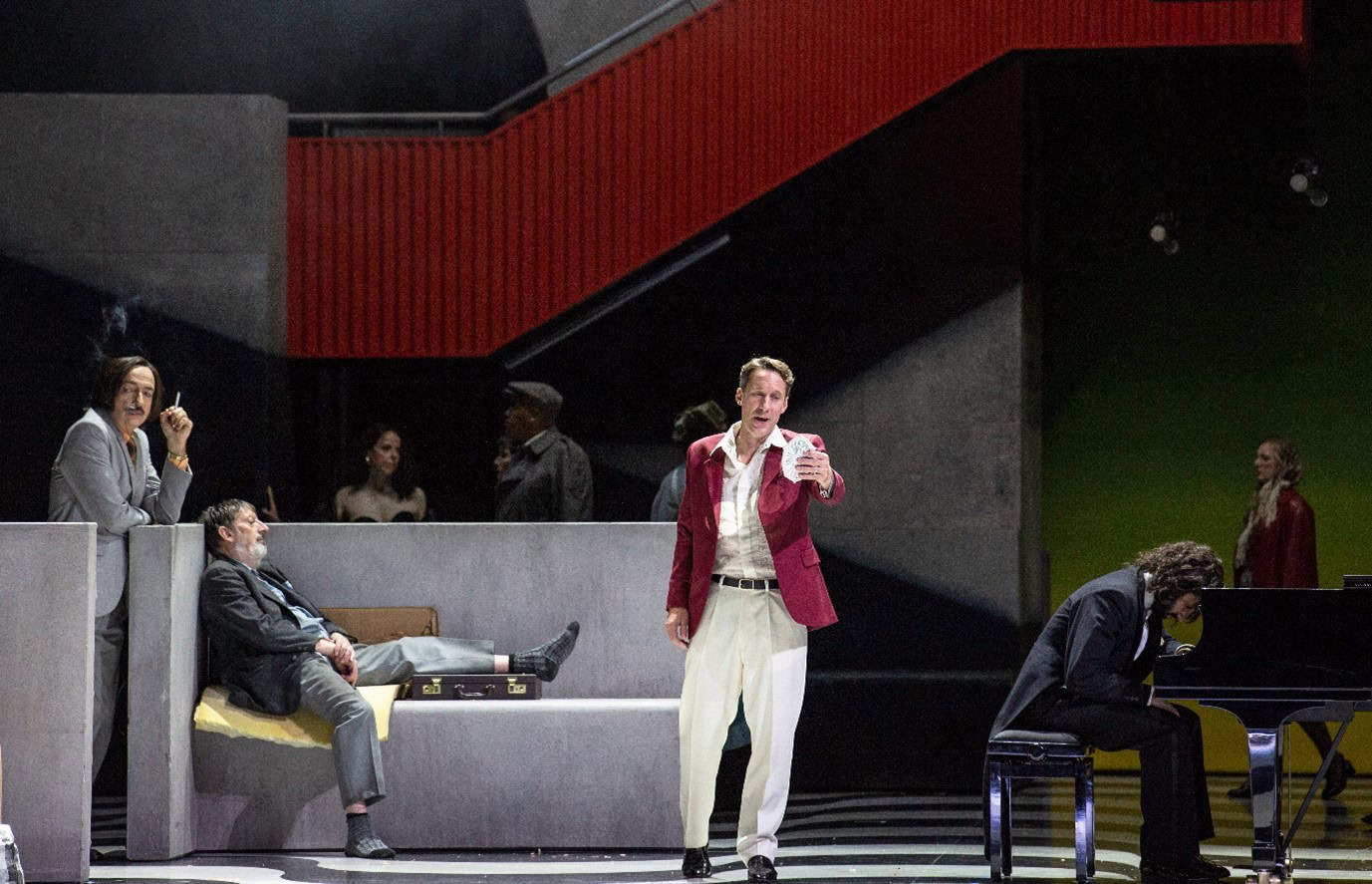
The start of the season at De Munt was one of quarrels and obsessions. With their Pikovaya Dama –a production that balances between a Daphne Du Maurier novel and the Soviet symbolism of the 1970s –, they get off to a strong start. De Munt, in collaboration with conductor Nathalie Stutzmann, brings the opera by Pjotr Iljitsj Tsjaikovski to life. It is a destructive spiral of desires, emotions and madness. There are no protagonists and antagonists, but people of flesh and blood – each with their own dark secrets.
The Soviet Spade Queen
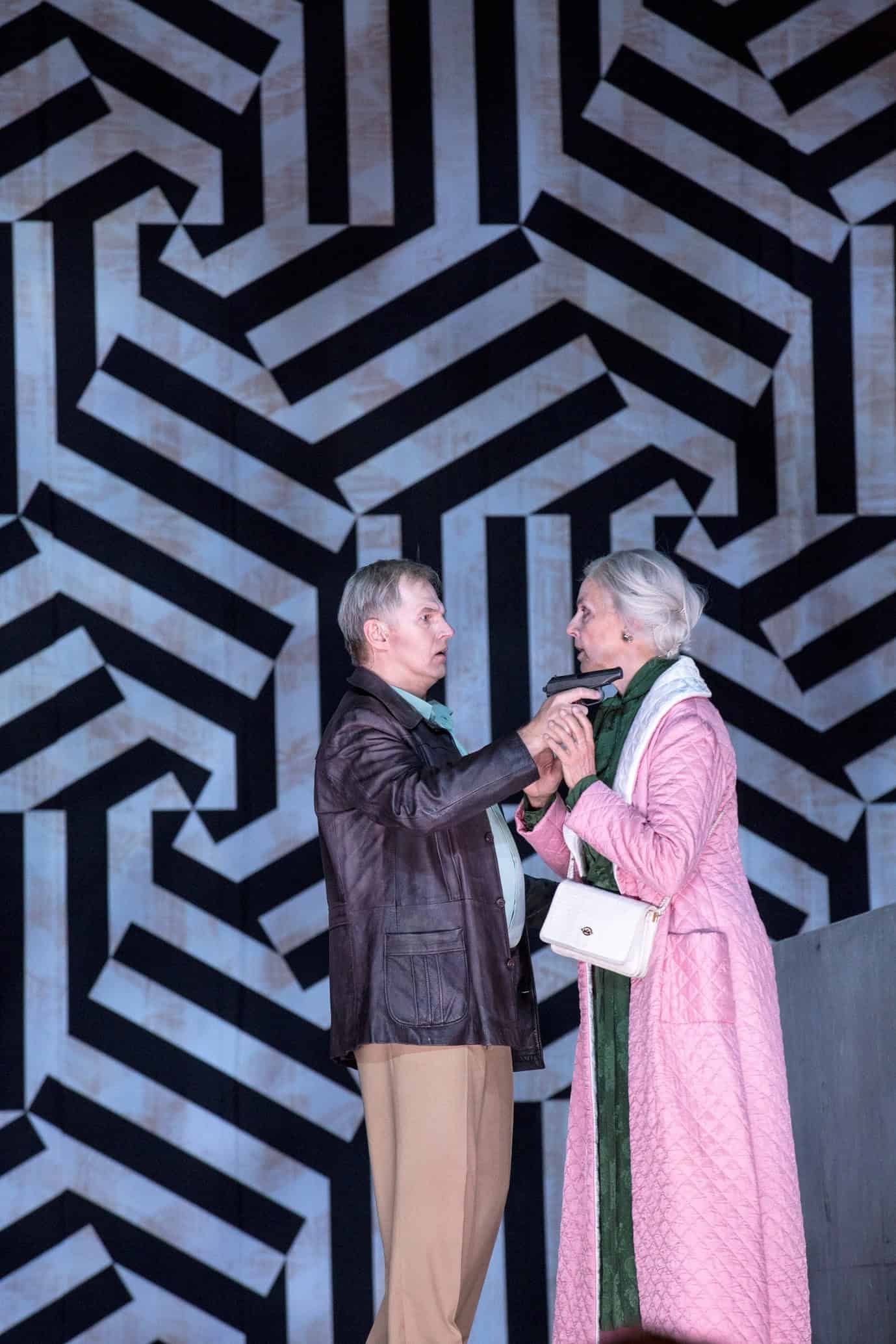
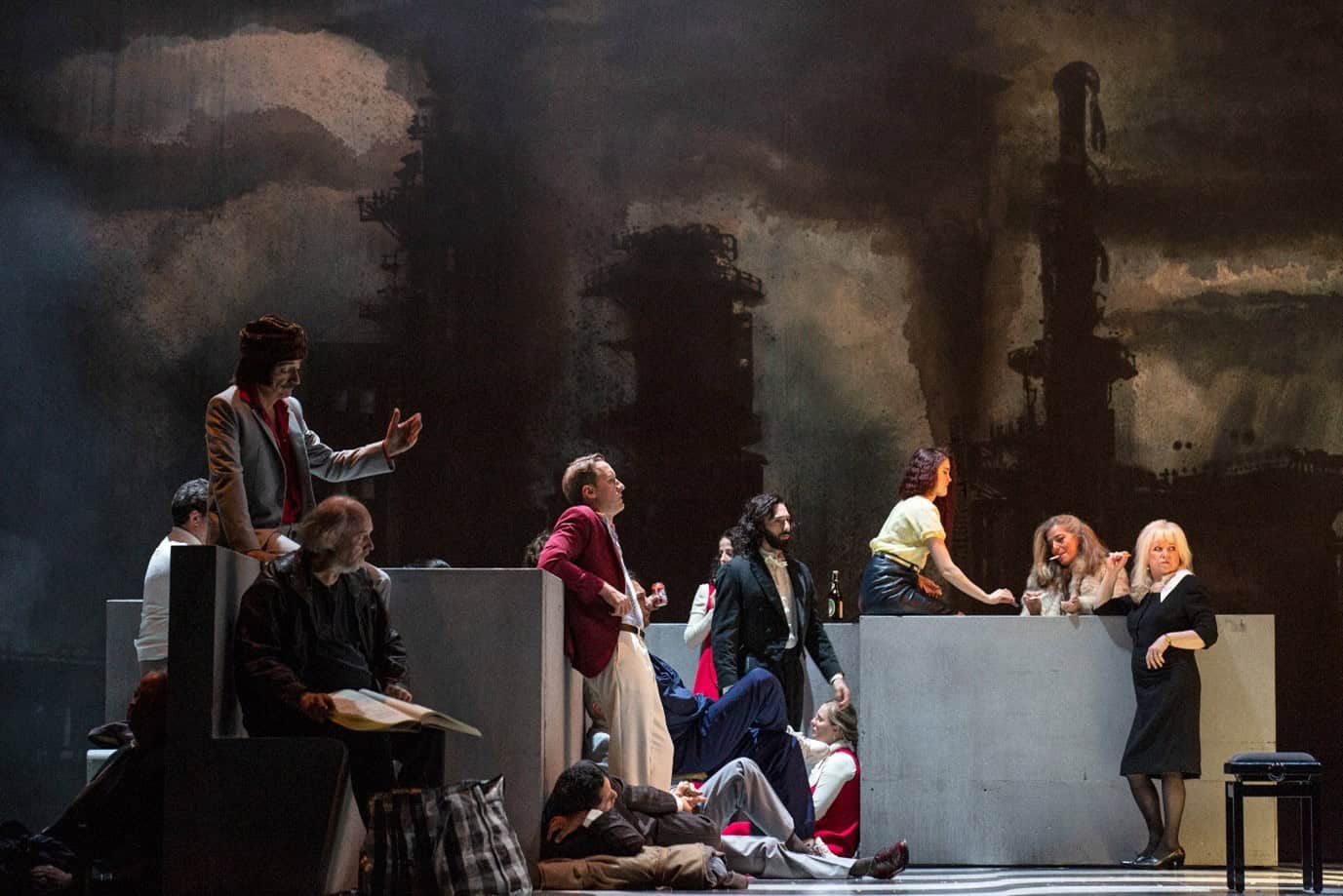
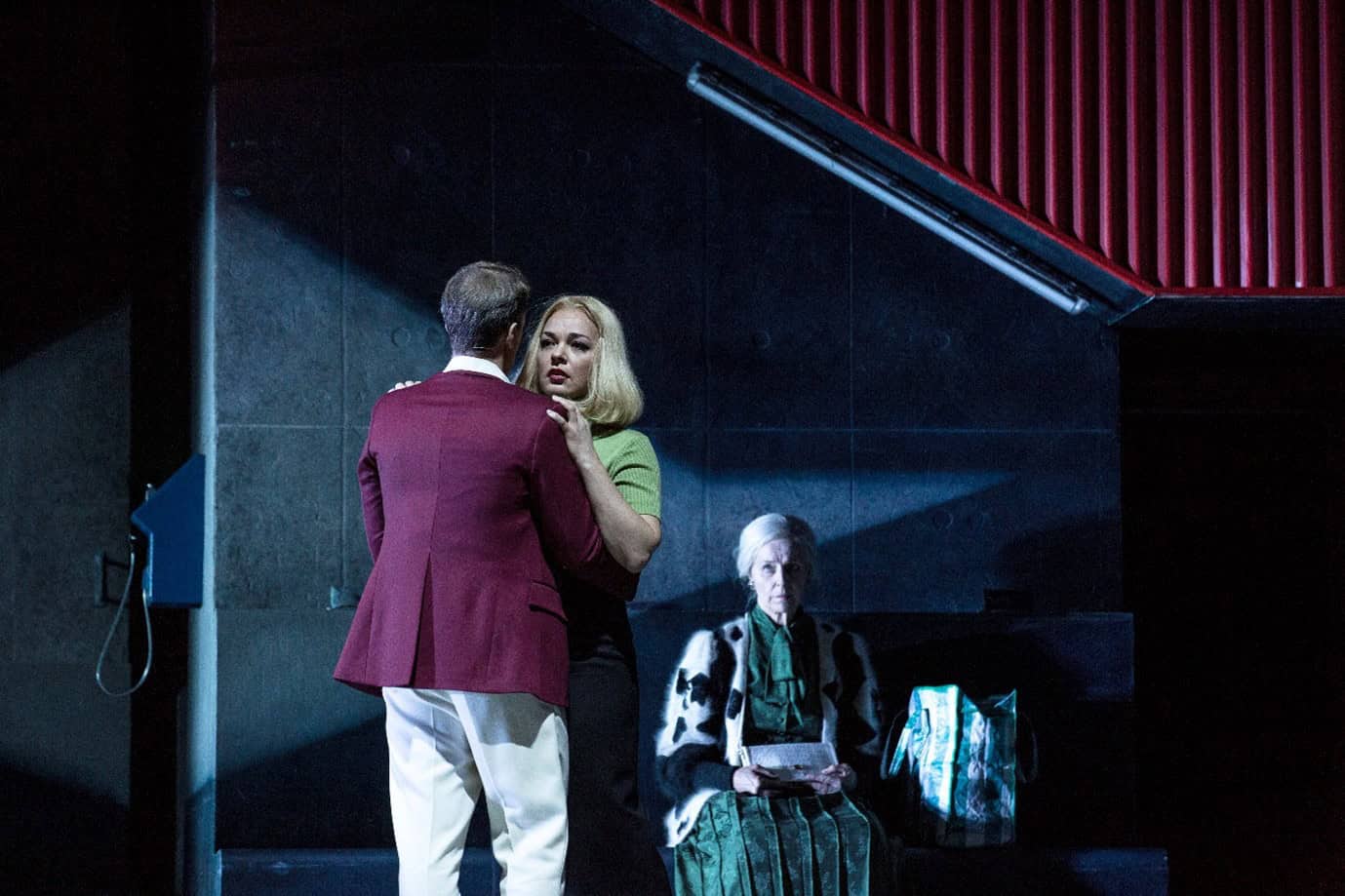
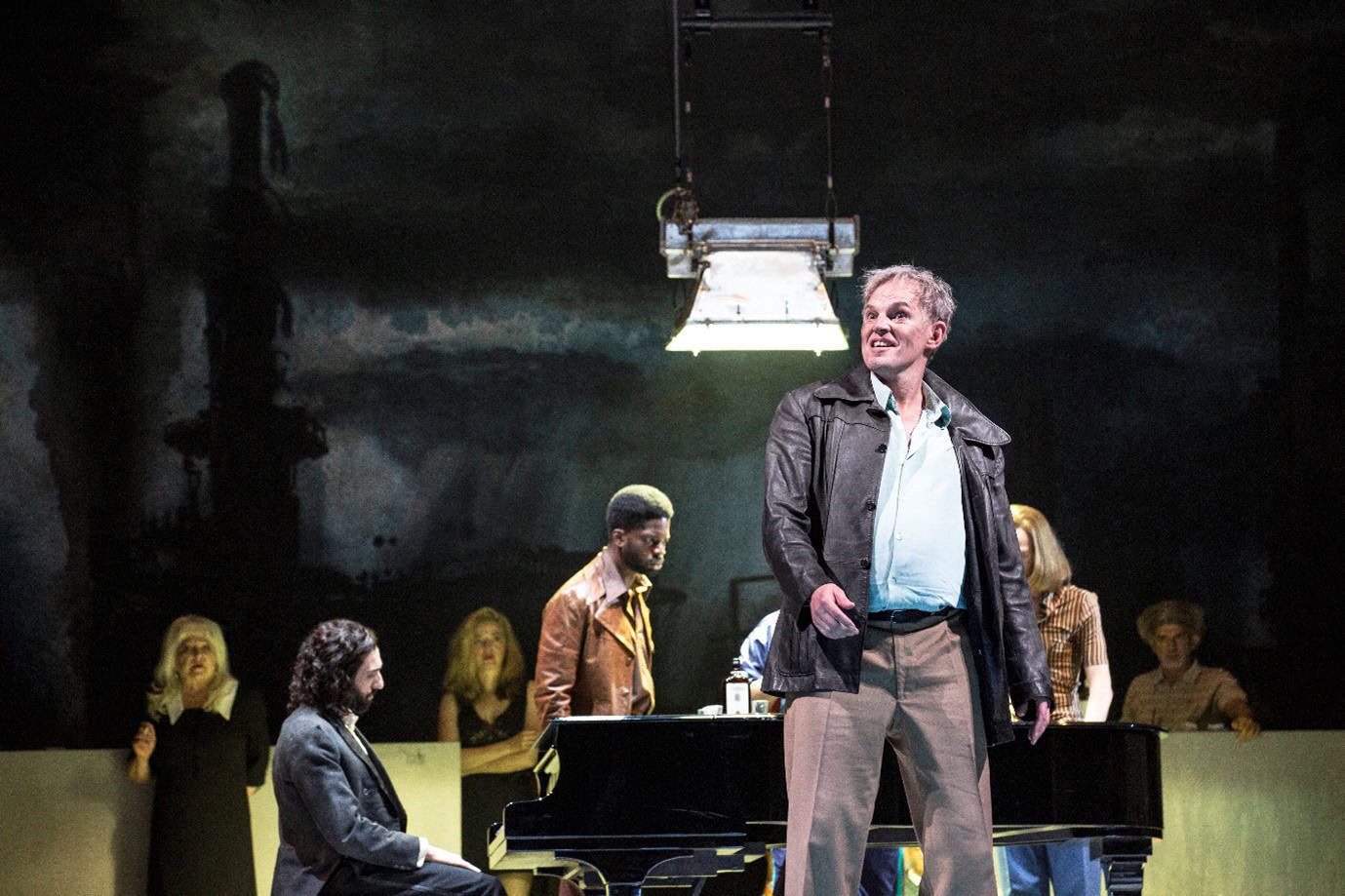
Pikovaya Dama is an opera created in 1890, the end of a century full of beauty and decadence. Tsarist Russia mirrored itself in the enlightened despotism of Europe's past. If you hear the words "Bon ton" in the opera, don't be mistaken, that's exactly what it refers to. The work of the same name by Poesjkin, on which the opera is based, resonates with this. De Munt chooses to place it visually almost a century later. A staging with Russian baboeskjkas (old women), men with gigantic collars – which almost exude the stereotype of the shady car salesman –, and merchants with all sorts of goods. Free trade, the underlying tension, the tight, controlled environment, compared to the background of the opera – tsarist Russia – it is a very different picture. And yet, knowing the history of Russia, it is still a beautiful translation by De Munt. The wartime conflict of late-nineteenth-century Russia lived on in the Soviet Union. This reflection, together with the aesthetic nature of the flannel 70s, gave the production a layered quality. Tsjaikovski wrote this mysterious opera: about an obsessive, doomed love, and about a mysterious Russian countess with a deadly secret.
A production of madness
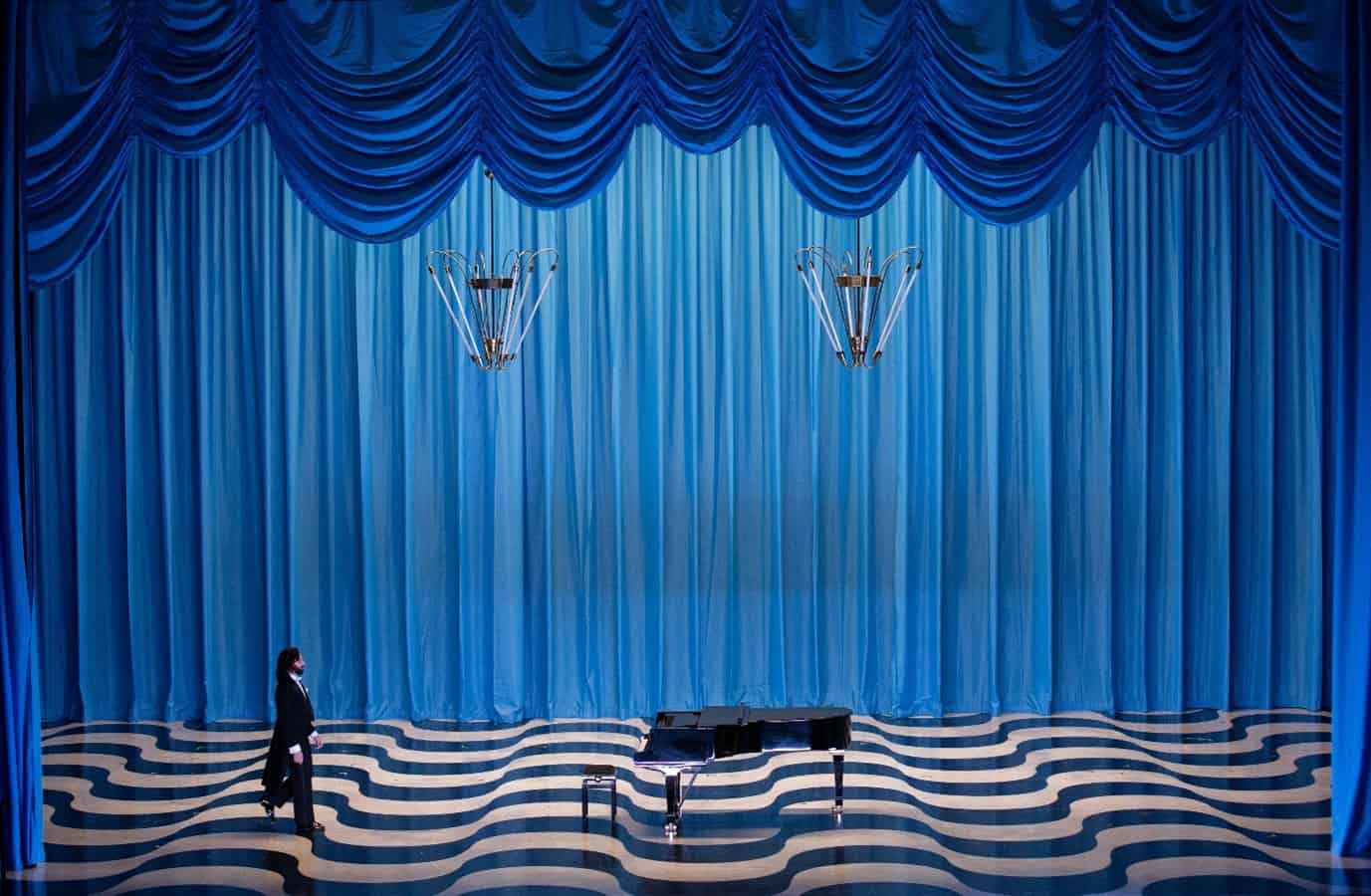
It was a complex story for De Munt to translate. The content is grounded in the Russian fascination for translating folklore novels into the Western European musical language. Tsjaikovski's music is quintessentially romantic. That the idiosyncratic story received a clear translation is to the credit of Stutzmann. At the right moments, the orchestra fell silent into a delicate pianissimo so that the tension of the duet or the solo – whether from a solo instrument or singing voice – gained its own space. This gave an unprecedented power to the way the story was told. With a musical style like Romanticism, a dynamically overwhelming orchestra is sometimes a curse, not a blessing, for the singers and the story. Here conducted a direction that clearly knew the power of the music. And this uniqueness was necessary. The diegetic music (music actively created in the world of the story itself) – objects used as drum instruments, the radio, the beautiful piano – was an interesting and welcome contrast. The opera was, rightly, divided into two acts. In the first, everything was built up: the madness, the obsessive love and the secret of the card game. It was more of an ensemble-driven act. And in an opera, certainly one with an incredible number of singers like Pikovaya Dama, group singing is a welcome sound. Ensembles move the story, arias stop it still. The solo pieces in this opera were reflections of pain and madness – a total contrast then. The second act therefore also deserves its own applause. Russian tenor Dmitry Golovnin delivered an incredible performance as Hermann. In the first act, he almost came across as a desperate grey mouse, but the madness, the obsession in his voice in the second round created incredible tension. At his delirious collapse – upon discovering the three cards: the three, the seven and the ace – you could hear a pin drop in the hall. Set against this the beautiful, sad power of Russian soprano Anna Nechaeva (Lisa), and the pain of the downward spiral is palpable. With alongside her a very understated, yet very present Anne Sofie Von Otter as the grey countess, and a powerhouse of a choir ensemble, you have a perfect start to the season.
Russian operas are always psychologically gripping, complex, there's always a kind of reality behind them. This production shows that it could be a hundred years ago, fifty years or even now, it continues to speak to the imagination. With Pikovaya Dama, De Munt makes a strong start. And that ultimately tastes musically like more!
A production of madness
WHAT: Pikovaya Dama
WHO: Pjotr Iljitsj Tsjajkovski [music], Modest Tsjajkovski [libretto], David Marton [direction], Nathalie Stutzmann [musical direction]
VOICES: Dmitry Golovnin, Laurent Naouri, Jacques Imbrailo, Anne Sofie Von Otter, Anna Nechaeva, Charlotte Hellekant, Alexander Kravets, Mischa Schelomianski, Maxime Melnik, Justine Hopkins, Mireille Capelle, Emma Posman
ORCHESTRA: Symphony orchestra and choir of De Munt, Choir academy & Children's and youth choirs of De Munt conducted by Benoît Giaux
WHERE: De Munt/La Monnaie, Brussels
WHEN: Sunday 11/09/2022
INFO: Pikovaya Dama can still be viewed until 29 September in Brussels. Tickets and more information at this link.