
Clarinet Quintets
Roeland Hendrikx, Panocha String Quartet
- Label
- Phaedra
- Catalogue number
- PH 292024
- EAN / barcode
- 5412327292245
- Release date
- 21 October 2010
The last years of Mozart’s life were not a bed of roses. His popularity shrank, his income fell; he and his wife Constanza suffered from ever more frequent bouts of ill health, his expenses and debts increased. The begging letters he wrote to his friend and fellow Mason Johann Michael Puchberg from June on are truly harrowing. But the Mozarts had no choice: they had to continue what appeared to be their luxurious way of living, to keep up appearances. The social pressure they were under was just too great, the fear of falling out of the good graces of Viennese society was just too real to allow them to lead a simpler, more frugal life. In the spring of a tour of Prague, Dresden, Leipzig, Berlin and Potsdam revived their hopes, but their disappointment was bitter. Mozart returned home empty-handed and with very poor prospects. His begging letters became longer, more urgent, more desperate. Constanze was pregnant again, for the fifth time. Their baby daughter died just after her birth in November. Of the four children that had come before, only one was still alive. While these appalling circumstances diminished the quantity of Mozart’s production in the last years of his life, they did not prevent him from writing some of the most stunningly beautiful compositions in the entire history of music. Thus the Clarinet Quintet in A major, which he finished on September , , while he was also working on Così fa tutte. It was the very first composition ever for clarinet and string quartet. But Mozart needed no example to create an unsurpassed masterpiece out of the blue. He wrote it for Anton Stadler, the greatest virtuoso on the clarinet of his time and, like Mozart, a Mason. Stadler created the work on December of that same year . Later he was to somehow lose the manuscript (as he would lose that of the Clarinet Concerto, likewise written for him). It remains unclear whether he really lost it, whether it was stolen from him, or whether he sold it to pay off his own debts. All modern versions of the quintet are based on an publication. In his own unmistakable blend of sweet melancholy and fresh frivolity Mozart gives the clarinet its solo role, glorious yet discreet, for it is a primus inter pares rather than a prima donna. Its warm sonority is blended organically into the sound of the strings, so that these are never forced to become mere accompanists. Brahms was doing very well in the last years of his life, so much so that, upon finishing his Second String Quartet in the summer of , he decided he’d call it a day and stop composing. But then he heard Richard Mühlfeld, the clarinetist of the Meiningen court orchestra. “Never,” he wrote Clara Schumann, “never have you heard a clarinetist like him. He is absolutely the best I know.” He was so impressed that he unhesitatingly reconsidered his decision and took up his pen again. For Mühlfeld he wrote a Trio for clarinet, Cello and Piano, a Clarinet Quintet (both in ) and two Clarinet Sonatas (). Mühlfeld created the Clarinet Quintet in Meiningen on November , , together with the quartet led by the legendary violinist Joseph Joachim. What had struck Brahms most was Mühlfeld’s warm and lyrical expressiveness, and that is what the Clarinet Quintet focuses on: dark-hued, dreamy, profoundly nostalgic, tender, elegiac, warm, gratifying cantilenas surround a brief third movement that provides the necessary light-hearted variation. Although the second movement gives the clarinetist a somewhat more prominent role against a background of muted strings, allowing him to shine in improvisatory arabesques in a popular Hungarian gypsy style, yet Brahms, like Mozart a century before, refuses to let the clarinetist be an unbridled virtuoso. As a matter of fact, he gave explicit permission to substitute the alto for the clarinet in the four “Mühlfeld compositions”. In the Clarinet Quintet he clearly strove to achieve complete equality of wood and strings, to completely integrate the clarinet into the strings in a subtle and balanced combination. He succeeded fully.
Also on Phaedra

In Flanders' Fields Vol. 99 - Six Suites for Harpsichord
Jan Devlieger
Phaedra
·
2018
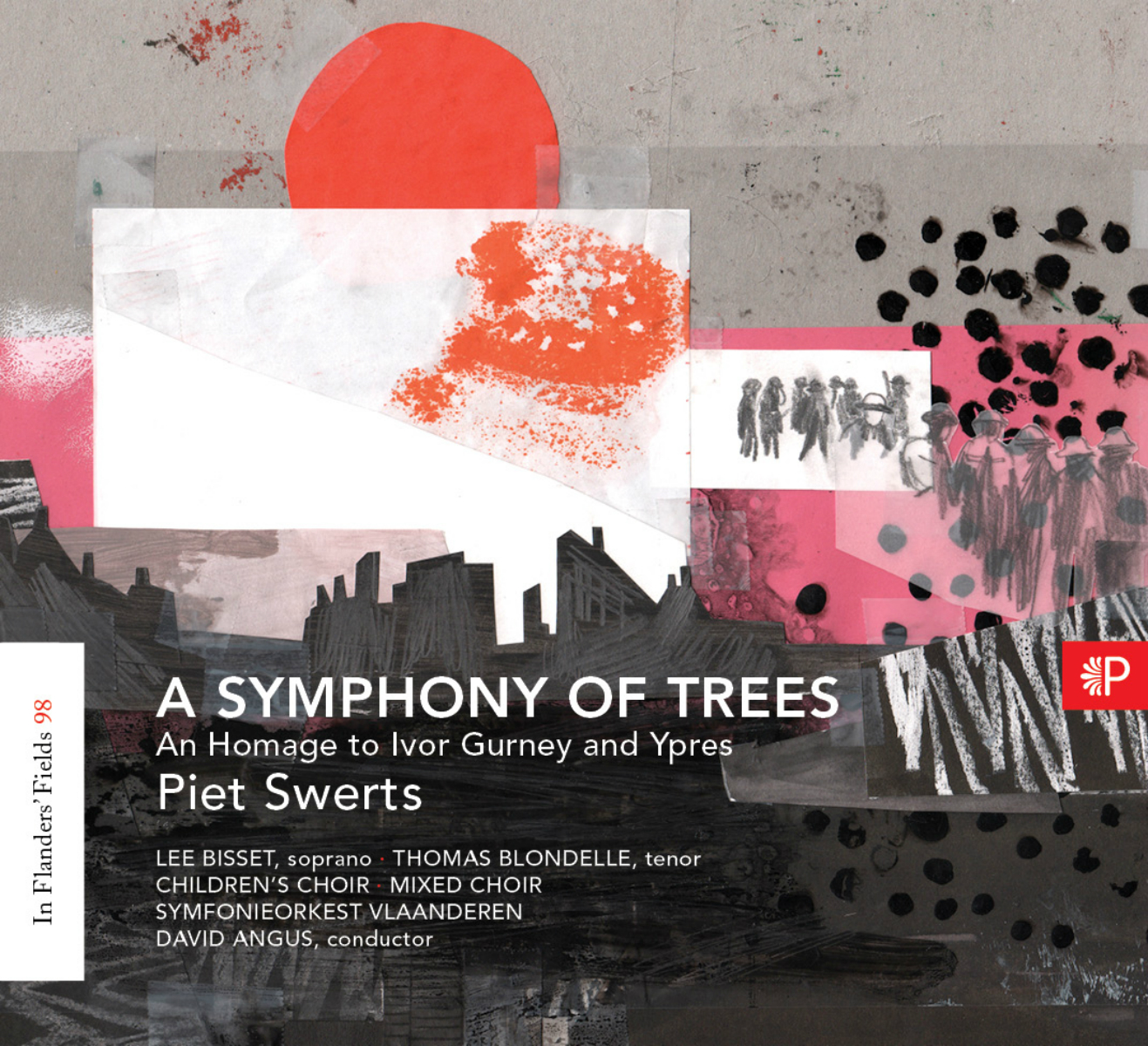
In Flanders' Fields Vol. 98 - A Symphony of Trees
Piet Swerts
Phaedra
·
2018
·
2 CDs
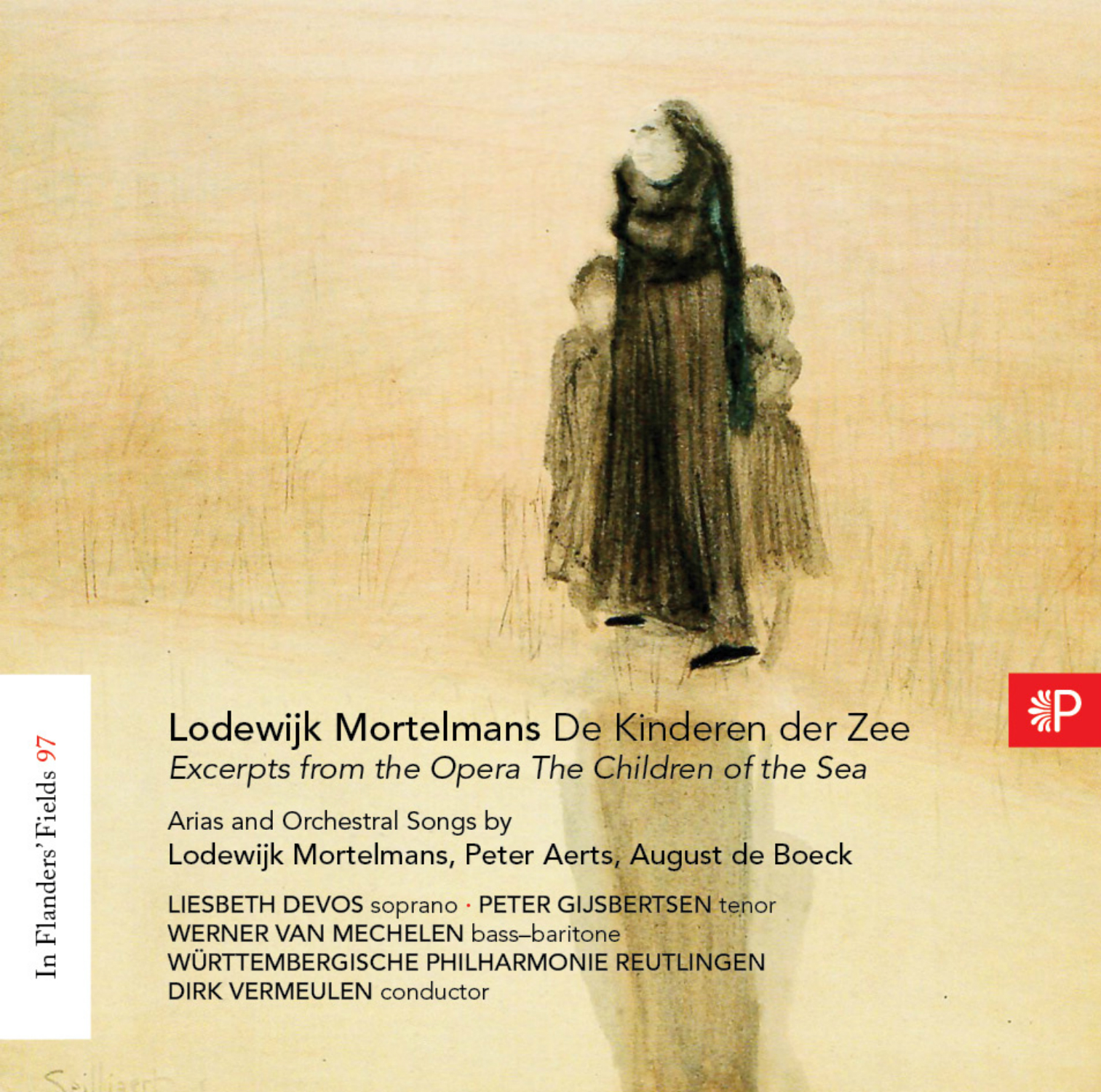
In Flanders' Fields Vol. 97 - The Children of the Sea
Liesbeth Devos, Peter Gijsbertsen, Werner van Mechelen
Phaedra
·
2017
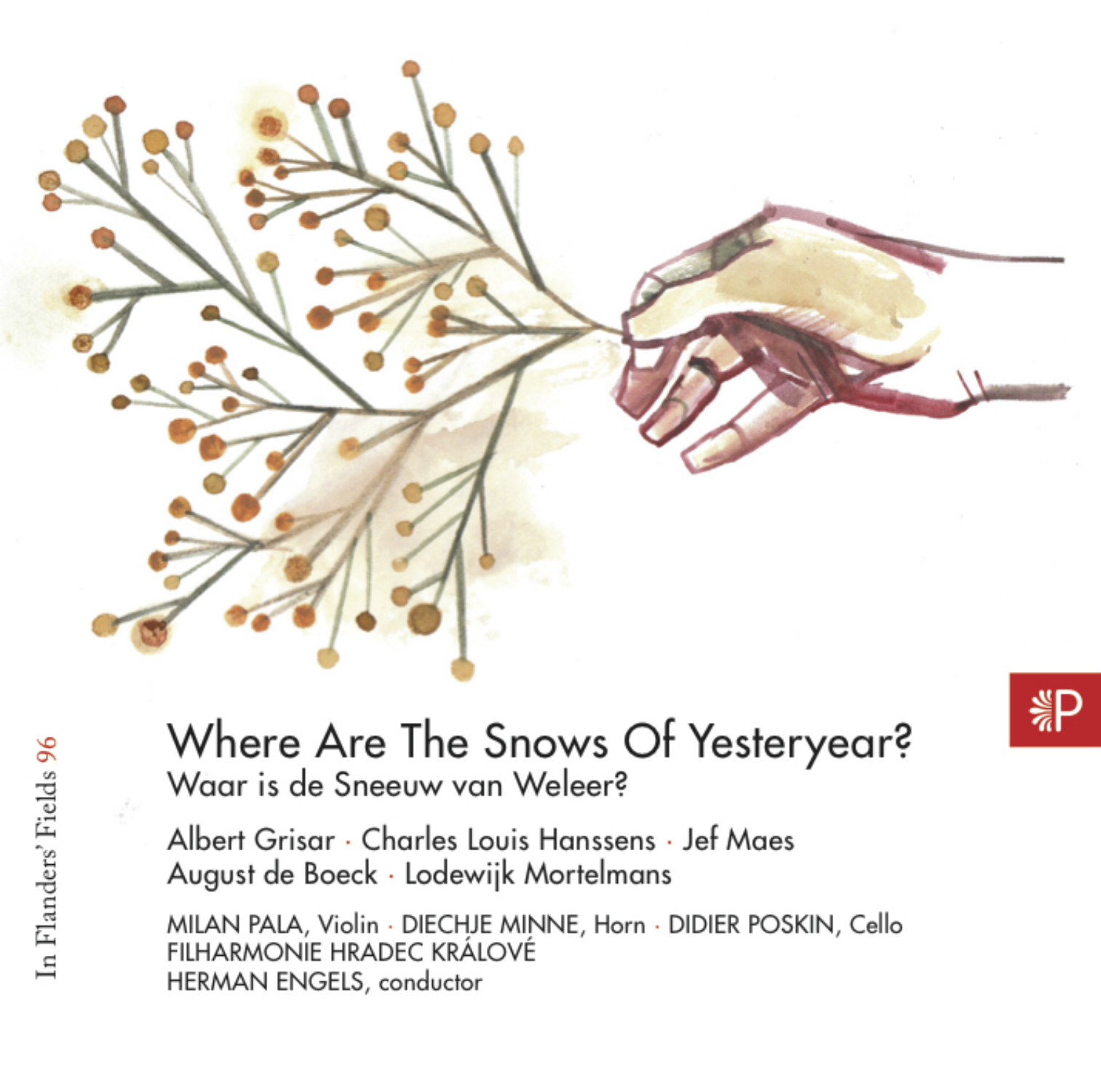
In Flanders' Fields Vol. 96 - Where Are The Snows Of Yesterday?
Herman Engels, Milan Pala
Phaedra
·
2017