
Opera Omnia XIII - Chamber music vol. 2
Ton Koopman & Members of Amsterdam Baroque Orchestra
- Label
- Challenge Classics
- Catalogue number
- CC 72252
- EAN / barcode
- 0608917225228
- Release date
- 3 March 2011
In the last decade of the 17th century, Dieterich Buxtehude published within a period of two years a group of fourteen instrumental chamber sonatas in two sets of seven each. Thereby, he contributed in a major way to a new and fashionable repertoire of trio sonatas that had originated in Italy after the middle of the century. Giovanni Legrenzi (1626-1690), the Venetian composer, had played the main influence in spreading a new type of instrumental music north of the Alps. His works published in the 1660s and 70s were well known in the Hanseatic cities around the Baltic Sea. Lübeck, one of the principal music centers in Northern Europe, was no exception in this respect. Buxtehude, who served as organist of the St. Mary’s Church in Lübeck from 1668 until his death in 1707, picked up and integrated the modern Italian style early in the instrumental introductions to his sacred concertos and cantatas, but turned to instrumental chamber music only late in his life. Every single sonata presents different solutions in regard to section sequences; no two pieces show the same pattern. In general, the fast sections prefer more or less elaborate polyphonic and fugal designs whereas the slow sections emphasize harmonic and expressive features. Sections are sometimes connected without interruption, sometimes separated by fermatas or double bars. Towards the end of some phrases the violin makes use of double stops, in line with the overall virtuosic design of the sonatas. The compositional ideas pursued by the composer are based on the concept of the so-called “stylus fantasticus,” a manner favored in keyboard and soloist instrumental ensemble music of the late 17th-century in North Germany. According to the 18th-century Hamburg writer Johann Mattheson, “this style is the most free and unrestrained manner of composing, singing, and playing that one can imagine, for one hits first on this idea and then upon that one, since one is bound neither to words nor to melody, only to harmony, so that the singer and player can display his skill.”
Also on Challenge Classics
New
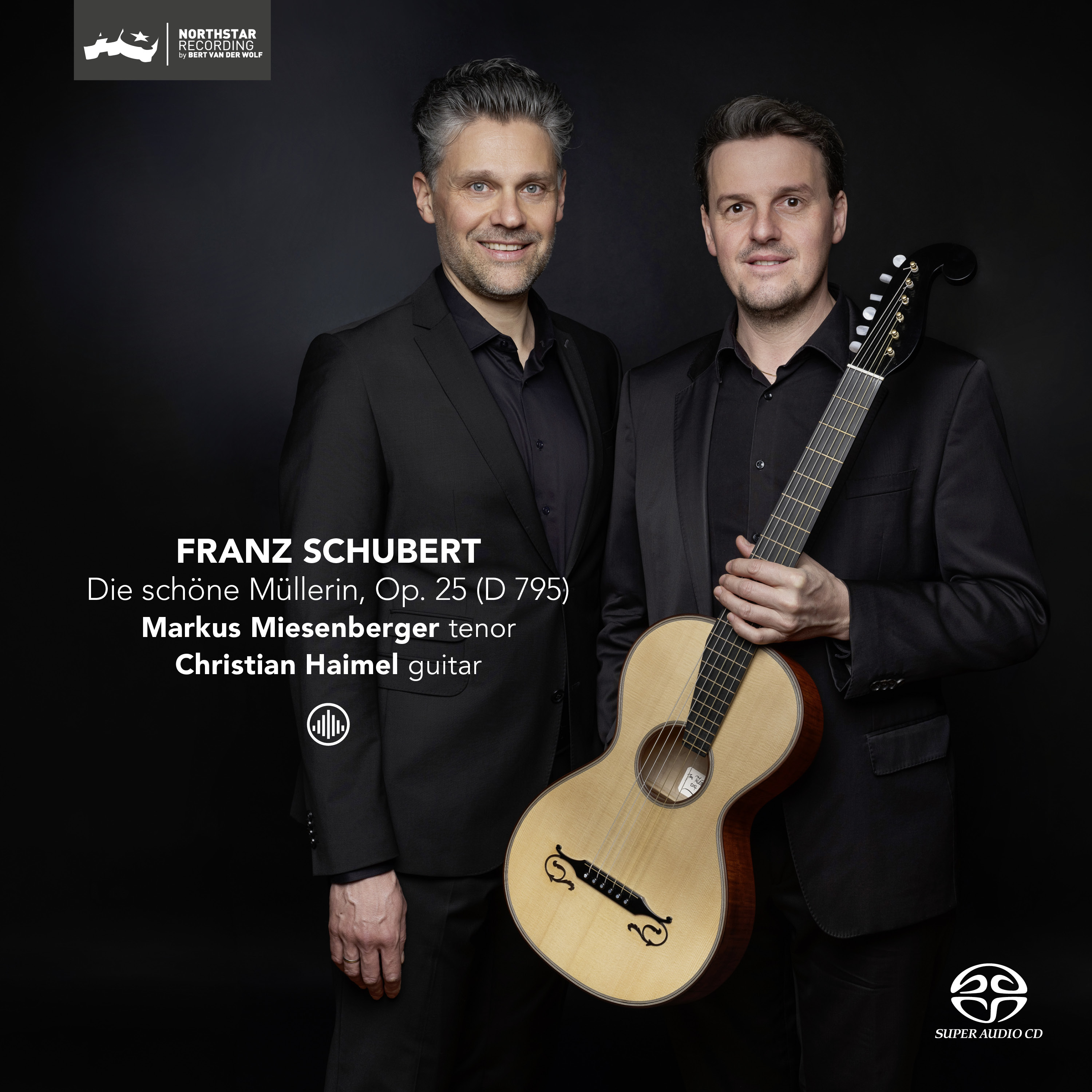
Die schöne Müllerin (SACD)
Markus Miesenberger, Christian Haimel
Challenge Classics
·
2026
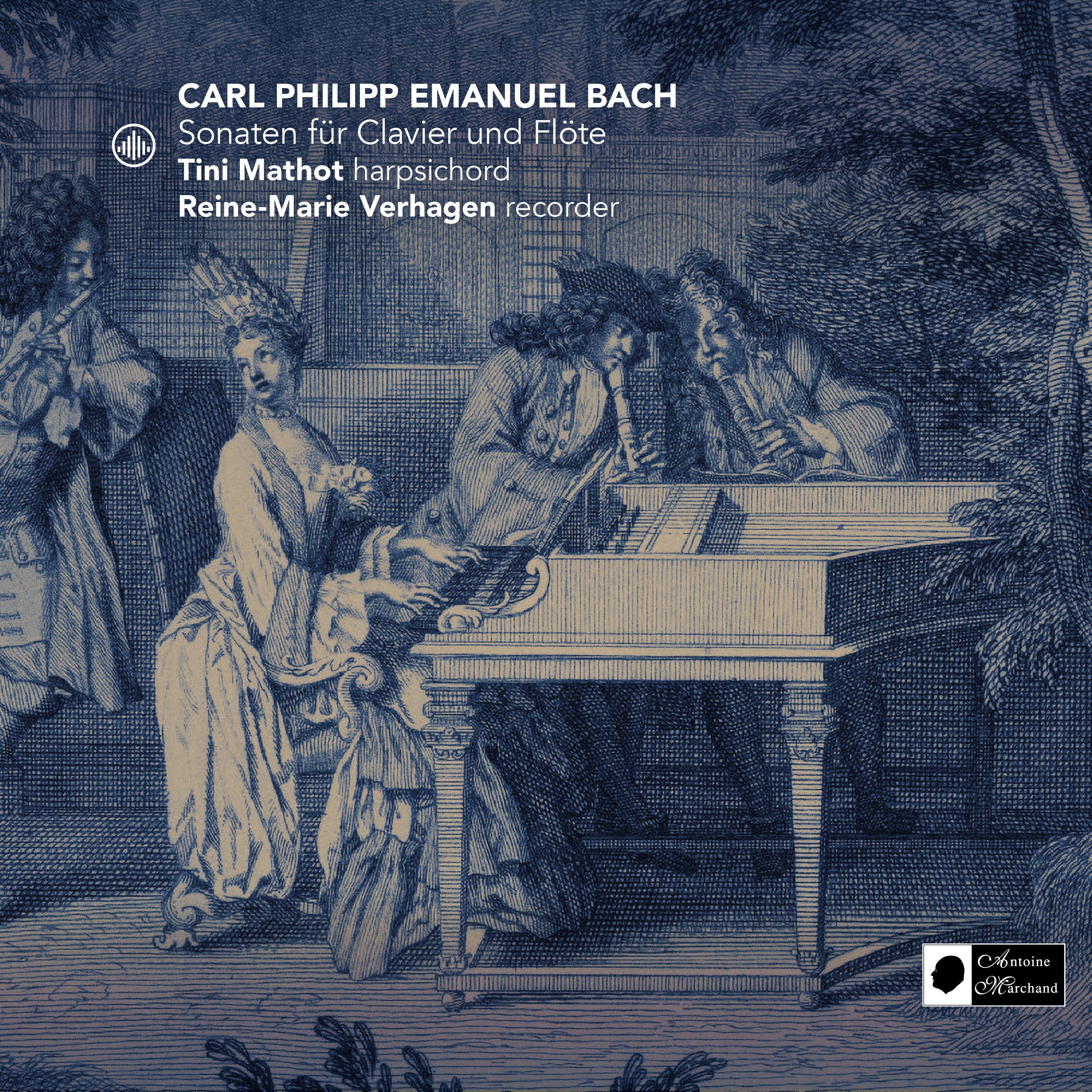
Sonaten für Clavier und Flöte
Tini Mathot, Reine-Marie Verhagen
Challenge Classics
·
2026
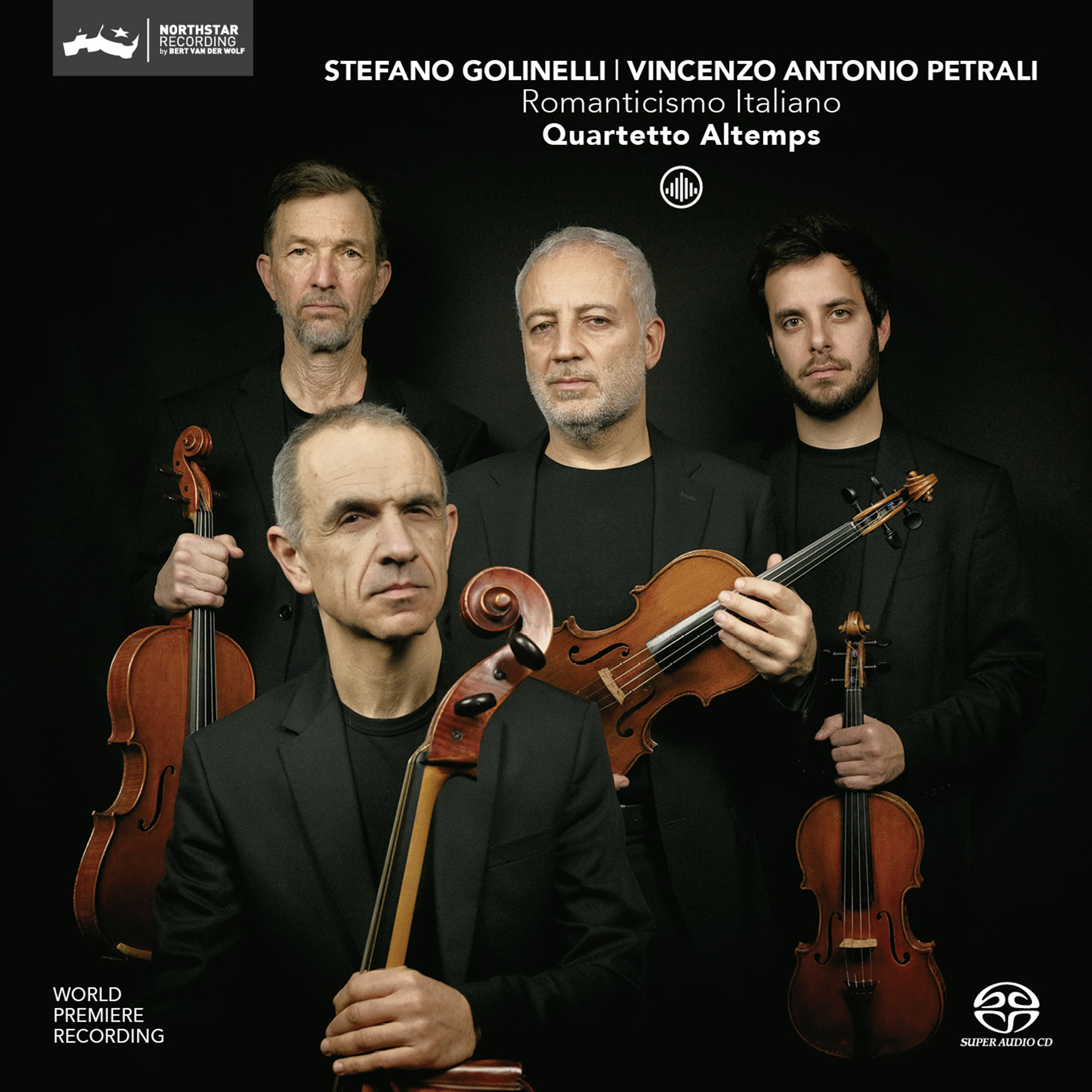
Romanticismo Italiano (SACD)
Quartetto Altemps
Challenge Classics
·
2026
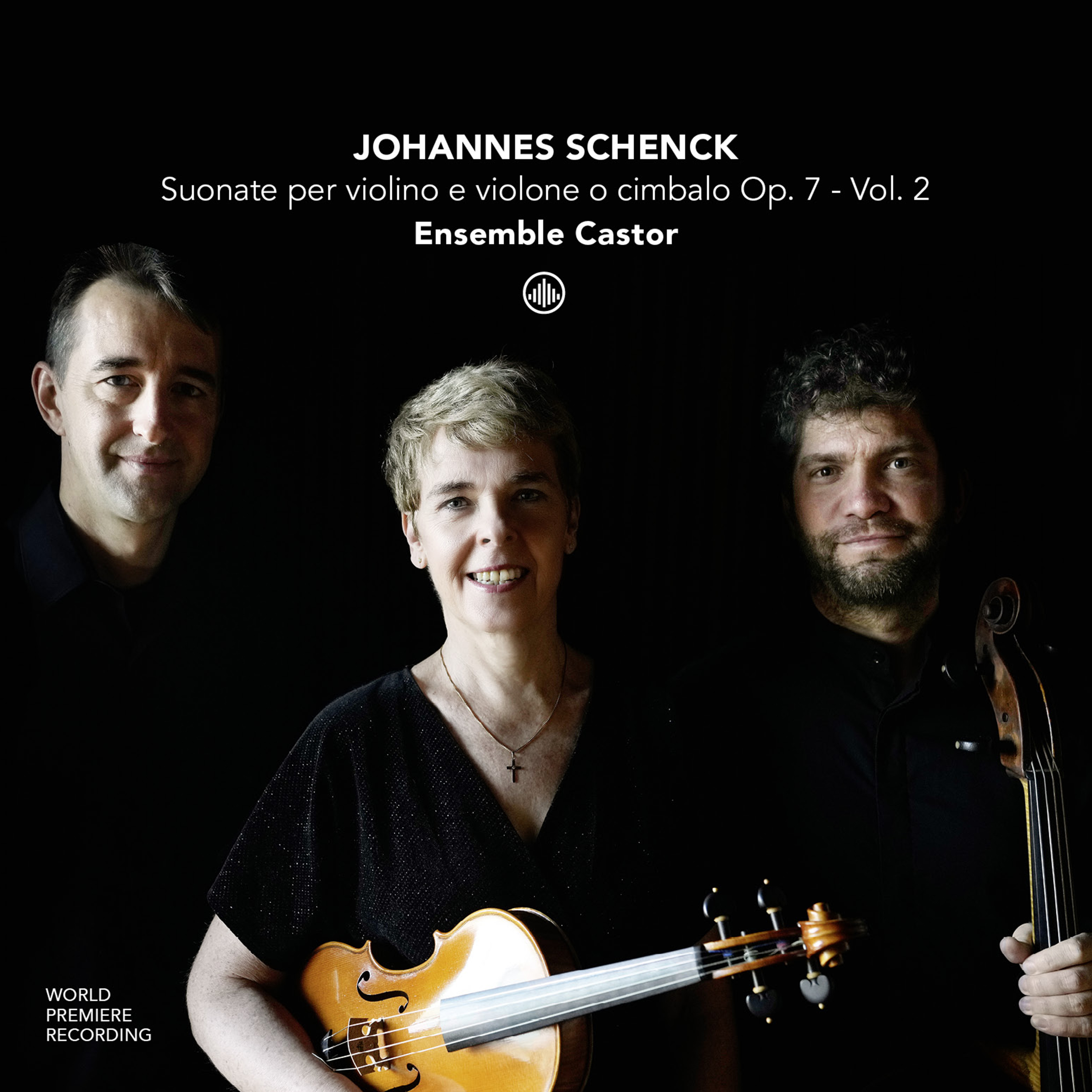
Suonate per violino e violone o cimbalo Op. 7 - Vol. 2
Ensemble Castor
Challenge Classics
·
2026