
Reflecting Beethoven
Herbert Schuch
- Label
- CAvi
- Catalogue number
- AVI 8553016
- EAN / barcode
- 4260085530168
- Release date
- 3 September 2020
Analyzing request: Translate Dutch text to English while preserving HTML structure and not translating proper names. However, the provided text appears to be already in English. Let me check if there's HTML formatting that needs to be preserved.
Looking at the input: The text is provided as plain text without HTML tags. The instruction asks me to preserve HTML structure, but there are no HTML tags present in the input.
Since the text is already in English and there are no HTML tags to preserve, I should return the text as-is.
REFLECTING BEETHOVEN Mr Schuch, you are celebrating Beethoven's anniversary year in 2020 and, at the same time, going beyond his legacy. What does this composer mean to you? Beethoven has been pressed into many categories. At times he was seen as the great Titan, at others as an idealist; later approaches occasionally attempted to "de-emotionalize" his music. He simply had an incredible ability to be many things, but his music was never dispassionate. Beethoven could even sound overemotional, and then display dry wit! I see him at a crossroads in music history where he was occasionally still allowed to write plain, simple music, and I find that thoroughly moving. You introduce each of the three Beethoven sonatas with a piano piece from the late 20th or early 21st century. What is the idea behind this approach? I'm always searching for connections across the centuries. Composers relate to one another, consciously or unconsciously. For instance, unconsciously: Henri Pousseur wasn't thinking at all about Beethoven's G Major Sonata. When I was thirteen years old, I performed the Pousseur piece at the European Youth Music Competition: it was a compulsory piece, and I won a special prize. It was the first truly "modern" piece in my repertoire, and required things I wasn't prepared for at all. At the beginning, for example, six different dynamic shadings are overlapping simultaneously in both hands. I found those challenges exciting: after having gone through such an experience, I had "tasted blood" as far as contemporary music was concerned. In the middle of the piece, there is an improvisation on predetermined musical material: I wrote my version down, and have recorded it that way now. At the onset, the piece features a displacement of one semiquaver between the two hands, which is maintained until the phases come together again. This always reminded me of the first movement of Beethoven's G Major Sonata. Beethoven was surely one of the first to discover how such small shifts can generate a kind of jagged, forward-moving energy, and he presents it in a dry, unemotional manner……… (Excerpt of an interview by Rainer Nonnenmann, from the booklet)
Also on CAvi
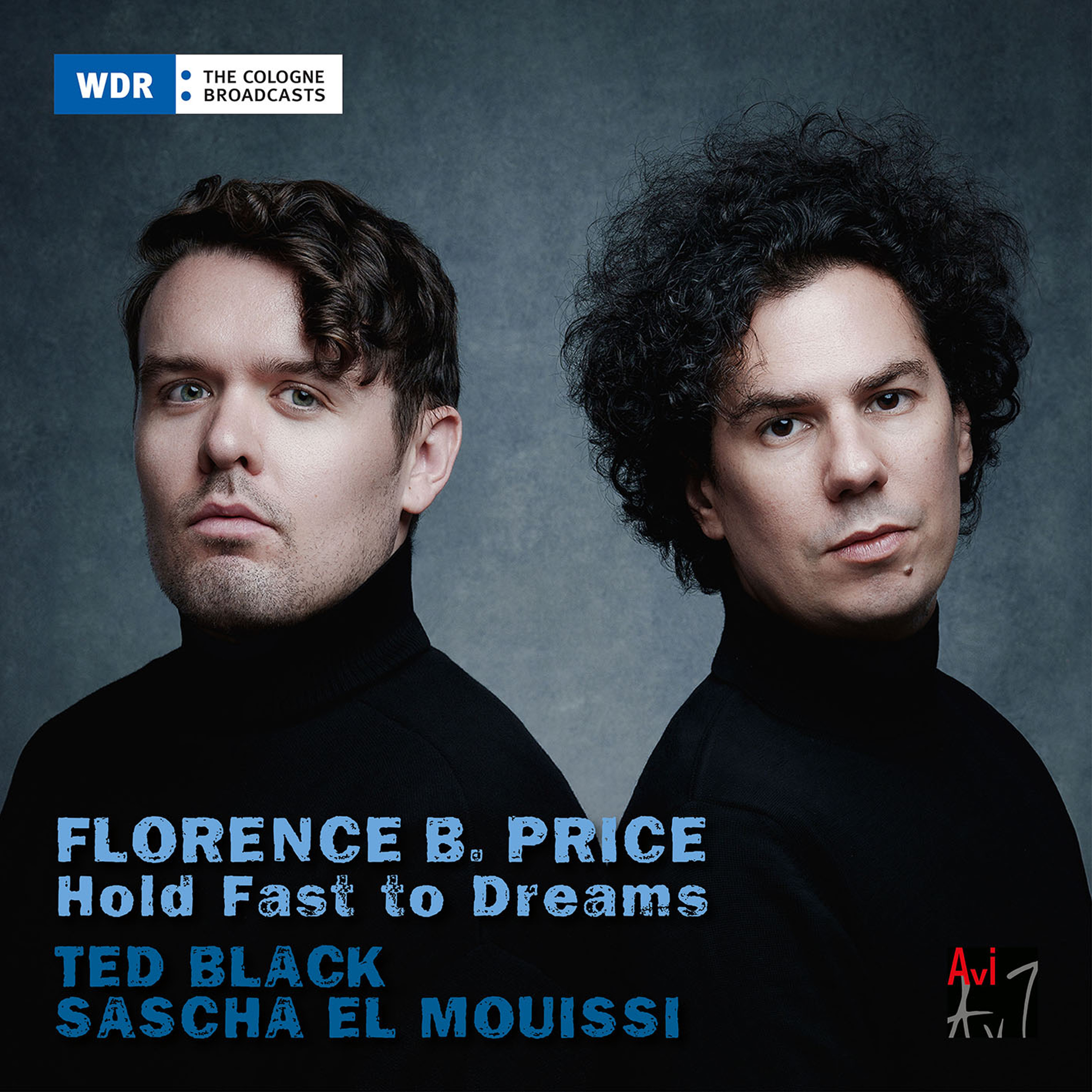
Florence B. Price, Hold Fast to Dreams
Ted Black & Sascha El Mouissi
CAvi
·
2026
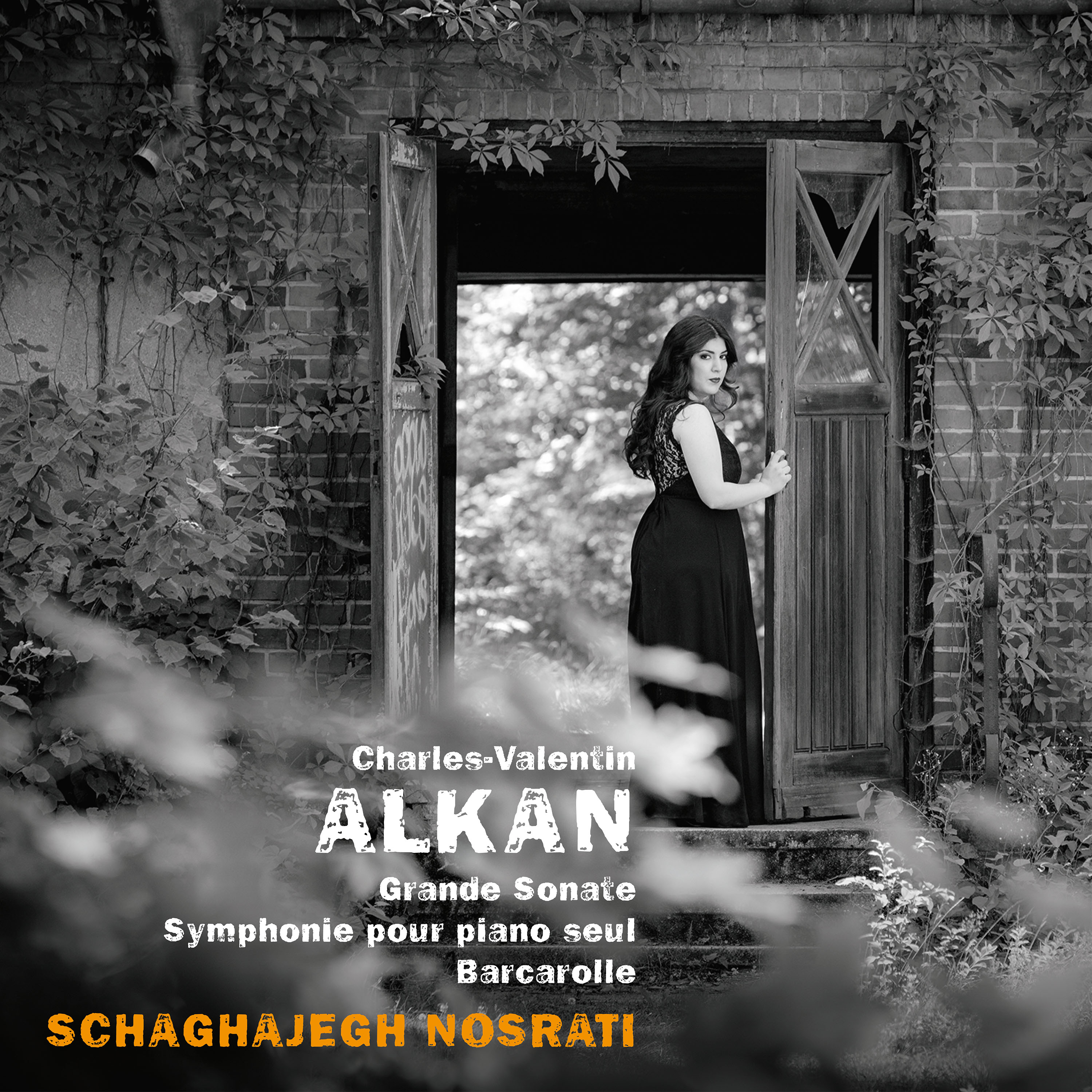
Charles-Valentin Alkan, Grande Sonate & Symphonie pour Piano Solo & Barcarolle
Schaghajegh Nosrati
CAvi
·
2026
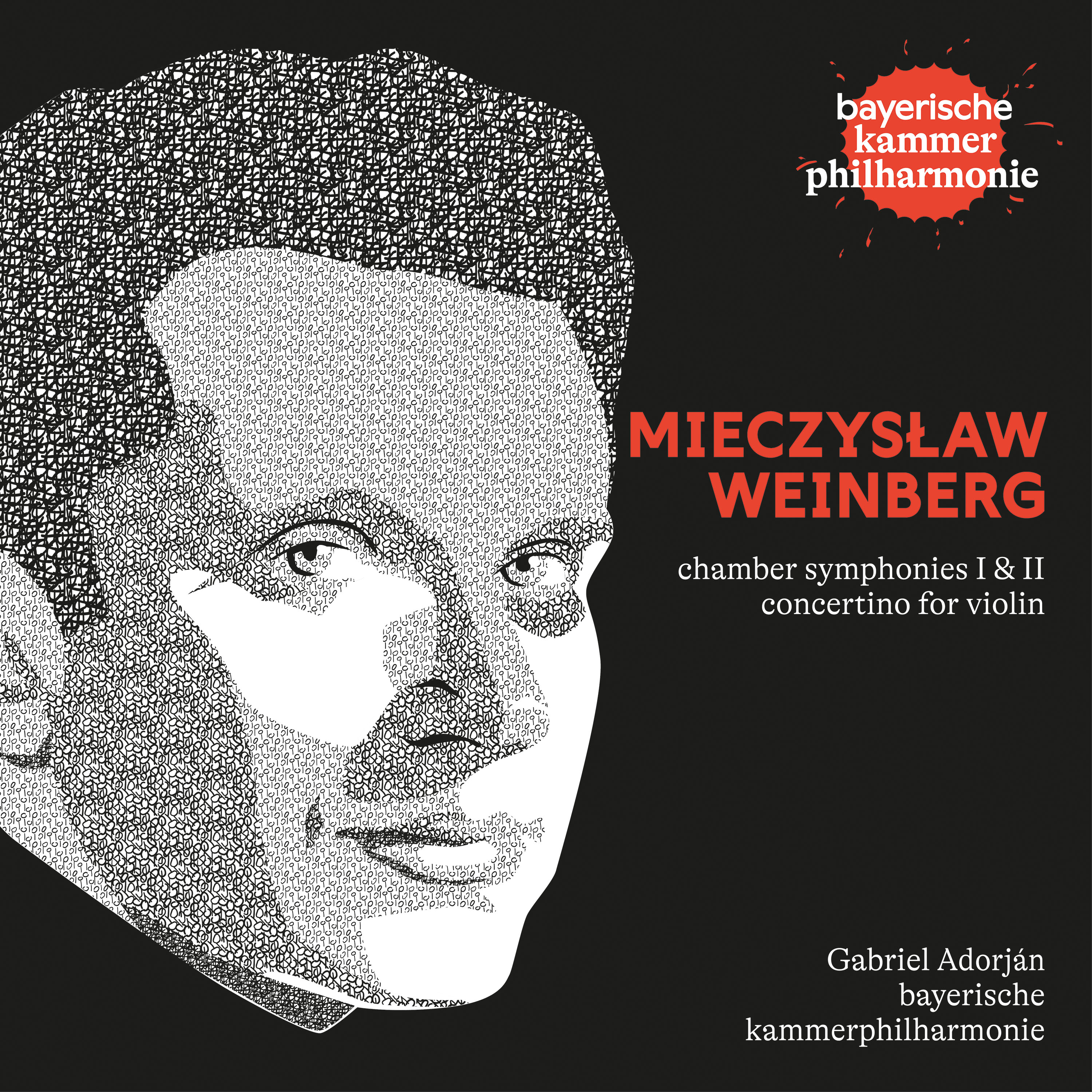
Mieczysław Weinberg, Chamber Sinfonies I & II, Concertino for Violin
Gabriel Adorján
CAvi
·
2026
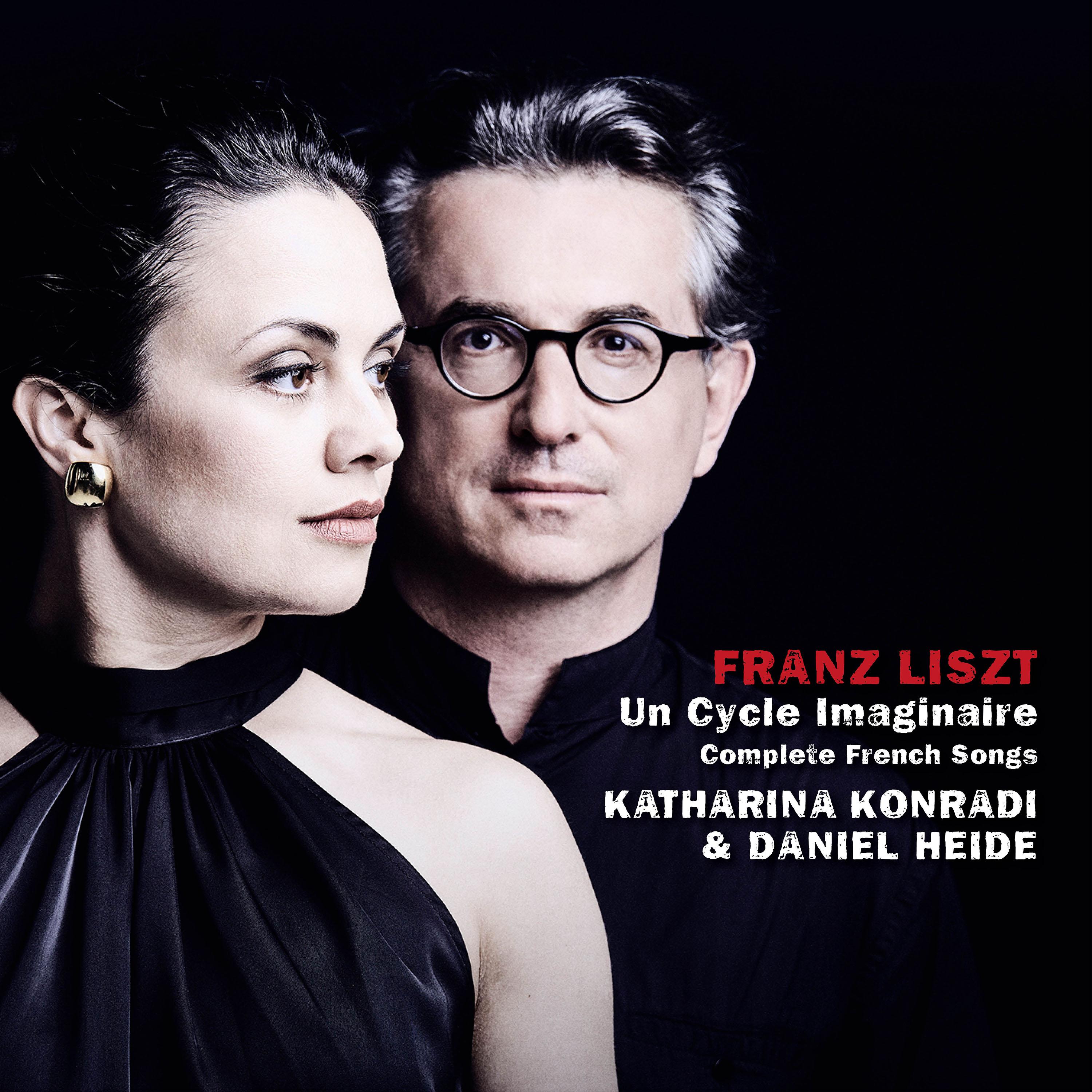
Franz Liszt, Un Cycle imaginaire, Complete French Songs
Katharina Konradi & Daniel Heide
CAvi
·
2025