
Schubert, Violin & Piano
Mihaela Martin & Elena Bashkirova
- Label
- CAvi
- Catalogue number
- AVI 8553027
- EAN / barcode
- 4260085530274
- Release date
- 5 August 2021
The Lightness of Schubert "Schubert's music is always associated in my imagination with a journey in a horse-drawn carriage. Outside, the scenery is flowing by. Cities, mountains, rivers, lakes, villages. At times the carriage slows down, then it speeds up again, but I always have that feeling of being on a journey. Not on foot and not on horse, but in a carriage on wheels." (Elena Bashkirova) The year 1816 ushered in a series of new beginnings for 19-year old Franz Schubert. He had applied for a music teaching job in Laibach (and soon would probably be overjoyed in secret that he was turned down, thus avoiding the task of school teaching, which he abhorred). He sent Goethe a notebook with songs of his pen, hoping, in vain, that he would be allowed to dedicate them to the "prince of poets". He dreamt of his future wedding with the soprano Therese Grob. And he composed incessantly. Apart from countless songs, Schubert's catalogue already included a half-dozen works for the stage, three masses, sixteen string quartets, overtures, piano music, and choir pieces. Now, in the course of just a few weeks, he wrote his 4th Symphony, the "Tragic". A cantata likewise flowed from his pen. And the Stabat Mater. Fourteen new songs. Furthermore: three sonatas "for fortepiano and violin", his first chamber music works for violin. Schubert probably intended these sonatas as music for domestic use: perhaps for Ferdinand, his favorite brother, who, one year thereafter, arranged them for orchestra with Schubert's approval. Or perhaps they were destined for the convivial circle of friends who gathered on a regular basis to make music, read out loud to one another, and have lively discussions. Schubert also took up the violin himself at times: in his school days, he had been the leader of the orchestra at the Vienna Stadtkonvikt (Municipal Seminary), where he was a pupil. He thus may have played these sonatas himself on the violin. We do not know. The sonatas were only published in 1836, many years after Schubert's death: publisher Anton Diabelli gave them the title "sonatinas", and the name has stuck until today. Indeed, despite their brevity, and although at first glance they seem relatively easy to master in terms of technique, the seemingly harmless epithet conceals a richly varied musical cosmos we can discover through these works. (Excerpt of the line notes by Eva Blaskewitz)
Also on CAvi

Florence B. Price, Hold Fast to Dreams
Ted Black & Sascha El Mouissi
CAvi
·
2026
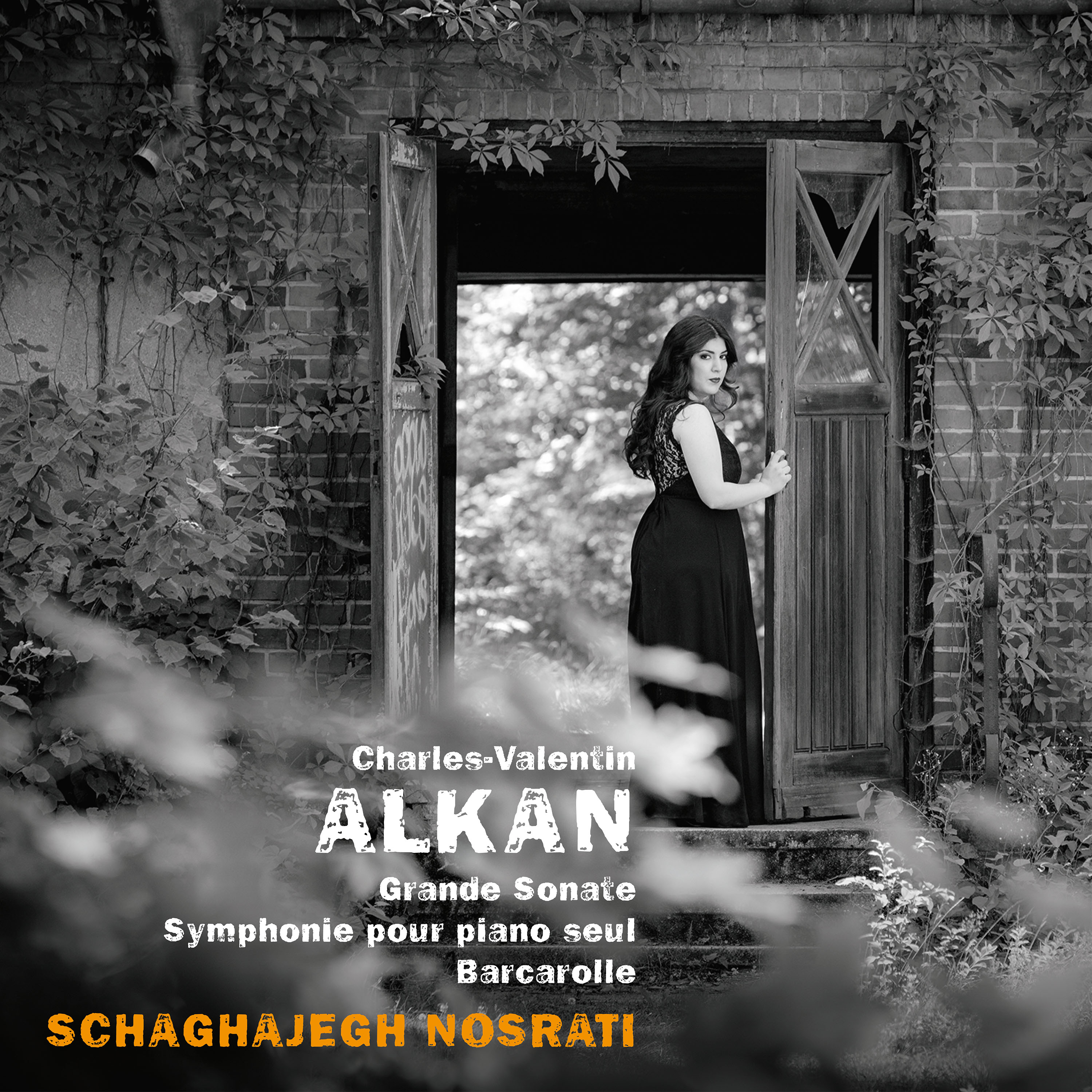
Charles-Valentin Alkan, Grande Sonate & Symphonie pour Piano Solo & Barcarolle
Schaghajegh Nosrati
CAvi
·
2026
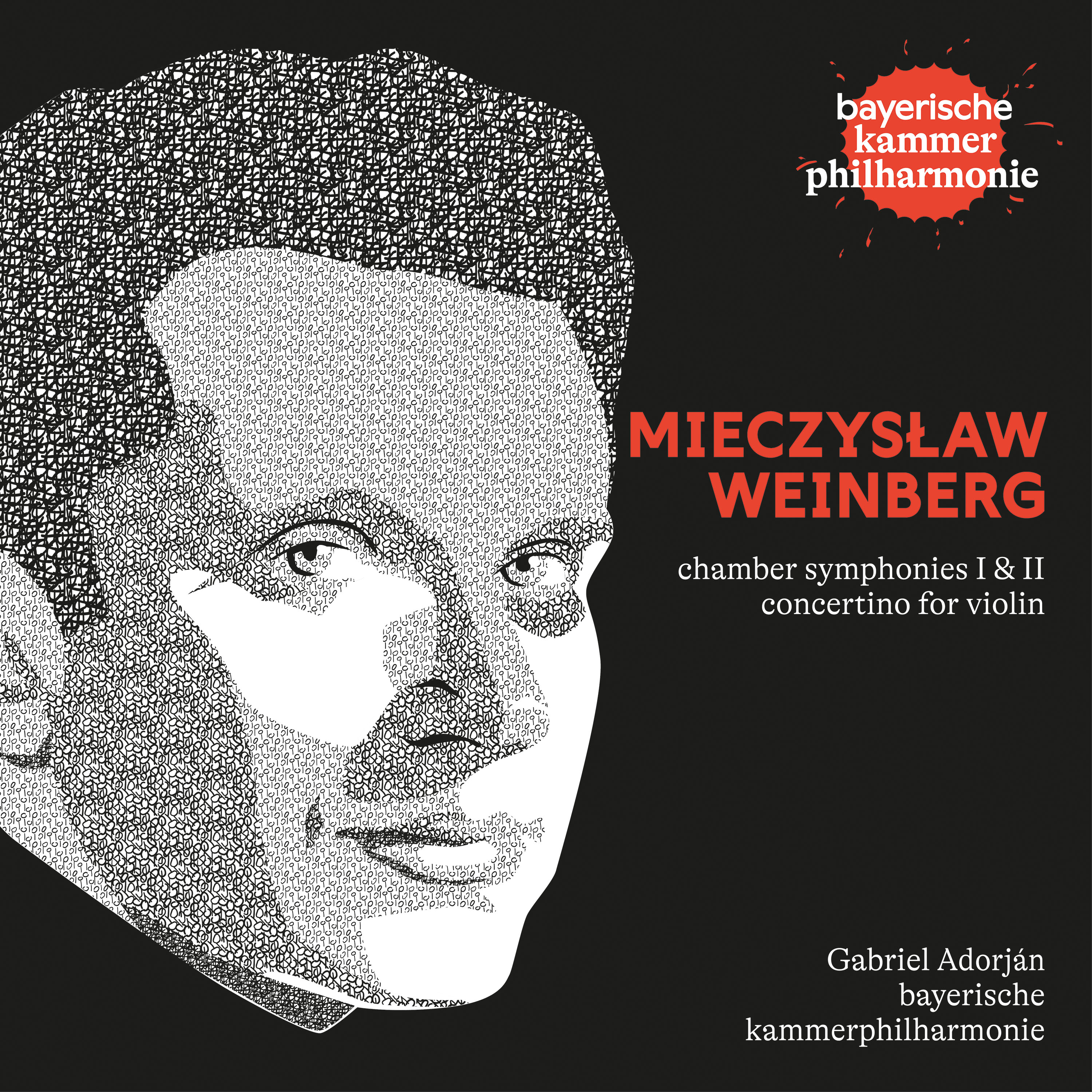
Mieczysław Weinberg, Chamber Sinfonies I & II, Concertino for Violin
Gabriel Adorján
CAvi
·
2026
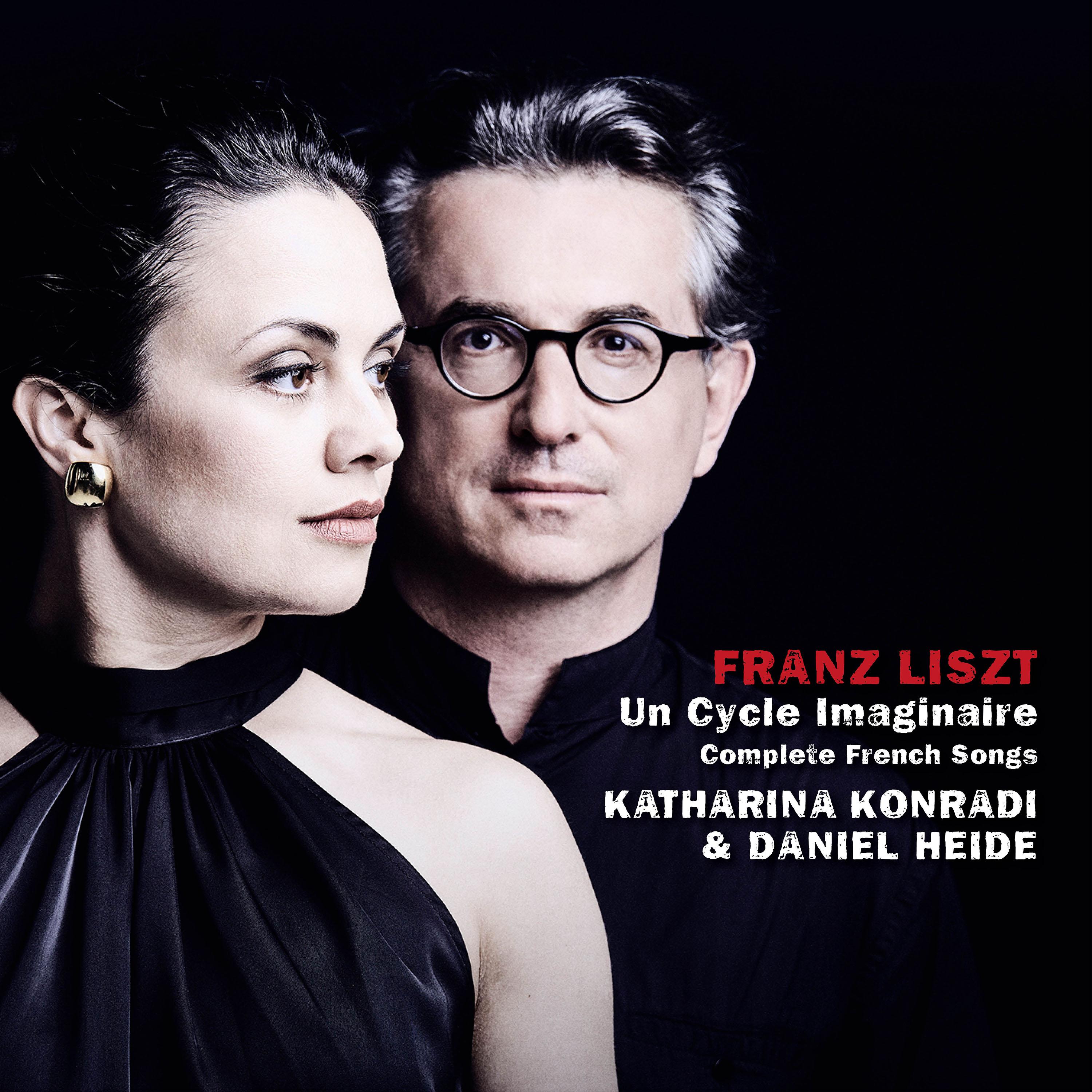
Franz Liszt, Un Cycle imaginaire, Complete French Songs
Katharina Konradi & Daniel Heide
CAvi
·
2025