
Brahms & Korngold, Piano Trios
Feininger Trio
- Label
- CAvi
- Catalogusnummer
- AVI 8553513
- EAN / barcode
- 4260085535132
- Verschijningsdatum
- 22 september 2022
Korngolds Relationship with Brahms Volker Michael talked with pianist Adrian Oetiker In its recording cycle, the Feininger Trio is pairing each of the three piano trios written by Brahms with a work by another Viennese composer: Alexander Zemlinsky, Ernst Krenek, and Erich Wolfgang Korngold, respectively. Brahms’s three piano trios are among the genre’s crowning achievements, and the members of the Feininger Trio were interested in exploring how the piano trio genre developed in the master’s wake. Younger composers drew on Brahms’s legacy while opening a new window to Modernism and the 20th century, and that was the main criterion in choosing the three pairings. Biographical similarities among Korngold, Krenek, and Zemlinsky in their early years also played a major role in the Feininger Trio’s selection. Despite major stylistic differences, a red thread in their the three composers’ lives connects them all with Brahms. …….In certain passages we note his need to call tonality into question: already at age twelve, he must have started to feel that the expressive power of tonality had run its course. He would have no problem, however, with resorting to tonality in his later works. Perhaps due to his youthful naiveté, Korngold was able to scrape at the limits of tonality without having to flesh out the consequences. That is what makes this work fascinating beyond the mere fact that its composer was so young when he wrote it. Korngold viewed himself as a thoroughly modern composer: it was only later that he consciously turned his back on the Second Viennese School. An important element that differentiates Korngold from Brahms is Korngold’s dramatic, almost operatic manner of handling musical progression: Brahms would never have allowed himself such a dramatic approach. The piano chords in the first movement suggest this, along with a kind of Impressionism in the Larghetto, when the music starts to slip into chromaticism. These are not mere effects: they always occur for an inherent musical reason. The last movement’s exalted mood and the way the work ends have a daring cheekiness about them, which at the same time is profoundly conceived. Korngold does not merely write boldly: he carries out his boldness to its utmost consequences. The Feininger Trio have been able to craft a unity out of a work such as this one, which sounds so unusual at first, thanks to the fact that the three musicians already know one another quite well. Nevertheless, in their playing, you can still hear how astonished they are in the face of this staggering accomplishment achieved by a twelve-year-old boy. (Excerpt of the booklet notes ater Volker Michael).
Ook bij CAvi
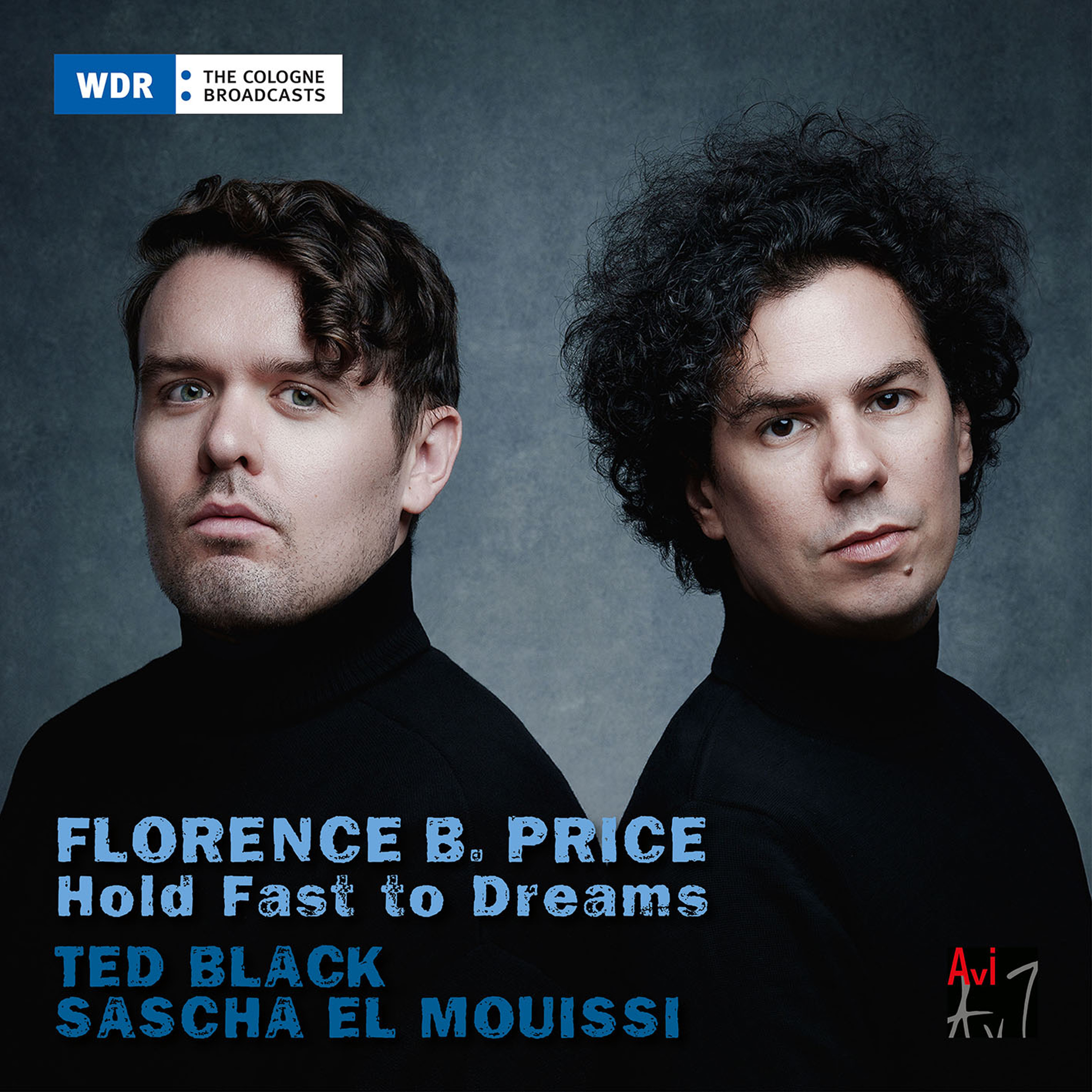
Florence B. Price, Hold Fast to Dreams
Ted Black & Sascha El Mouissi
CAvi
·
2026
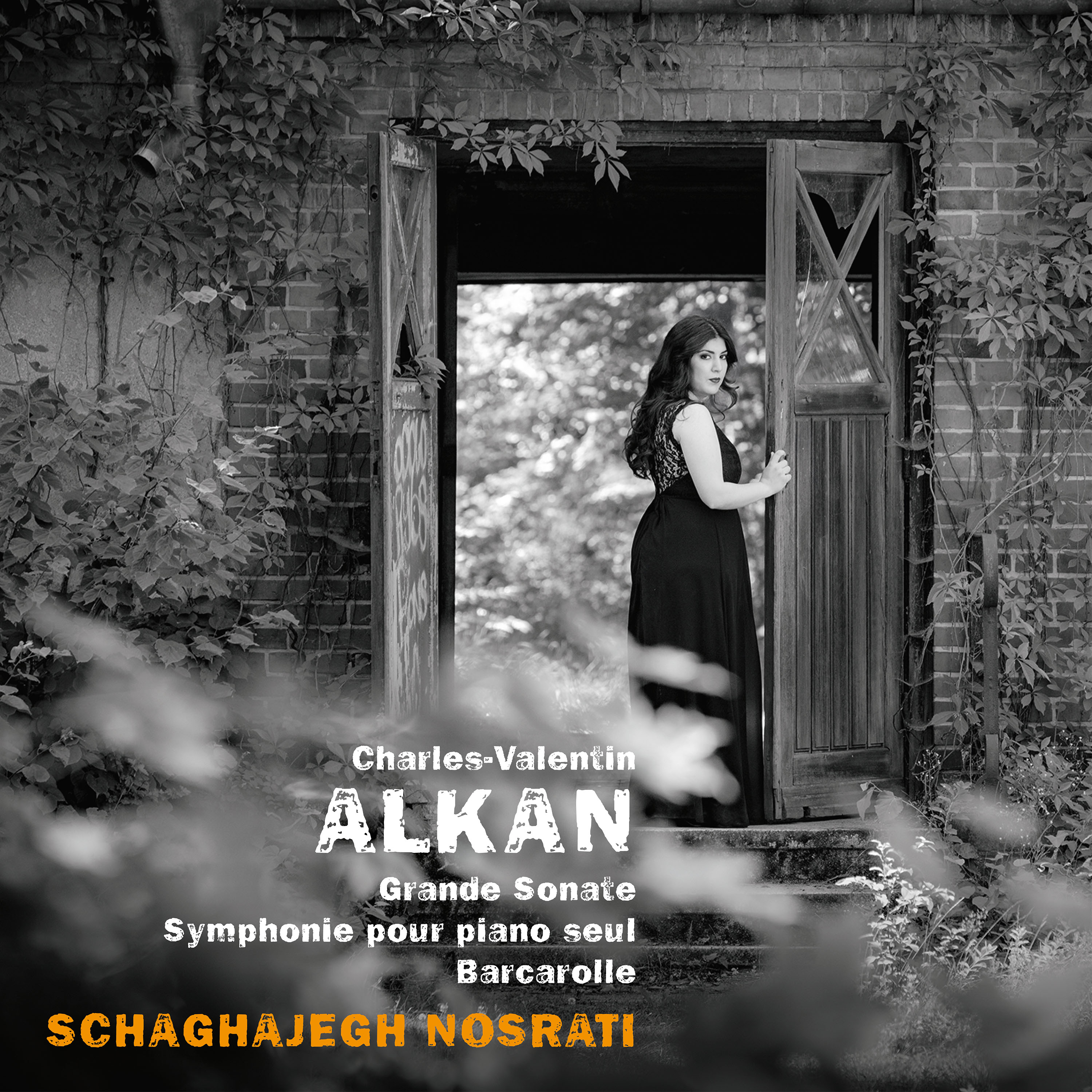
Charles-Valentin Alkan, Grande Sonate & Symphonie pour Piano Solo & Barcarolle
Schaghajegh Nosrati
CAvi
·
2026
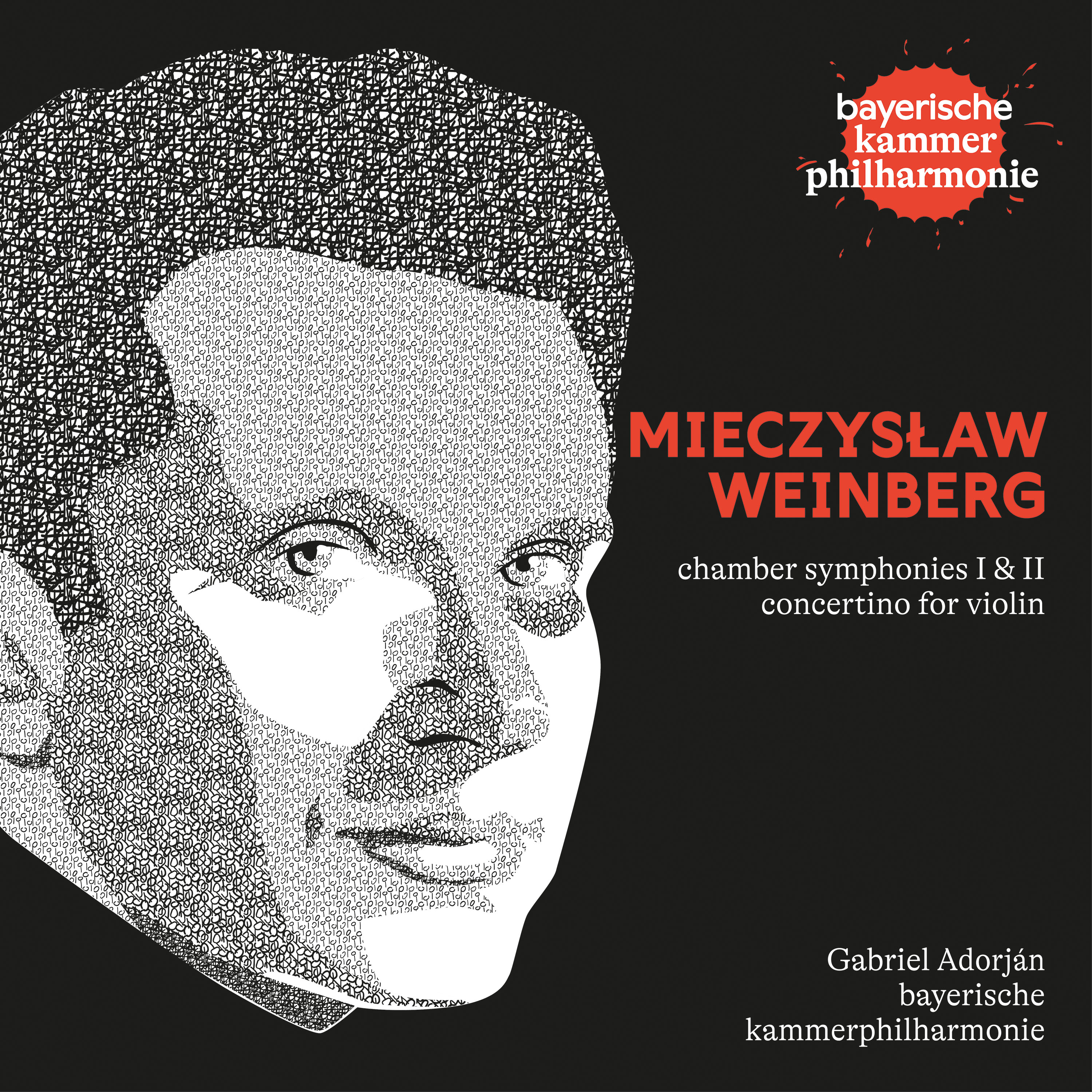
Mieczysław Weinberg, Chamber Sinfonies I & II, Concertino for Violin
Gabriel Adorján
CAvi
·
2026
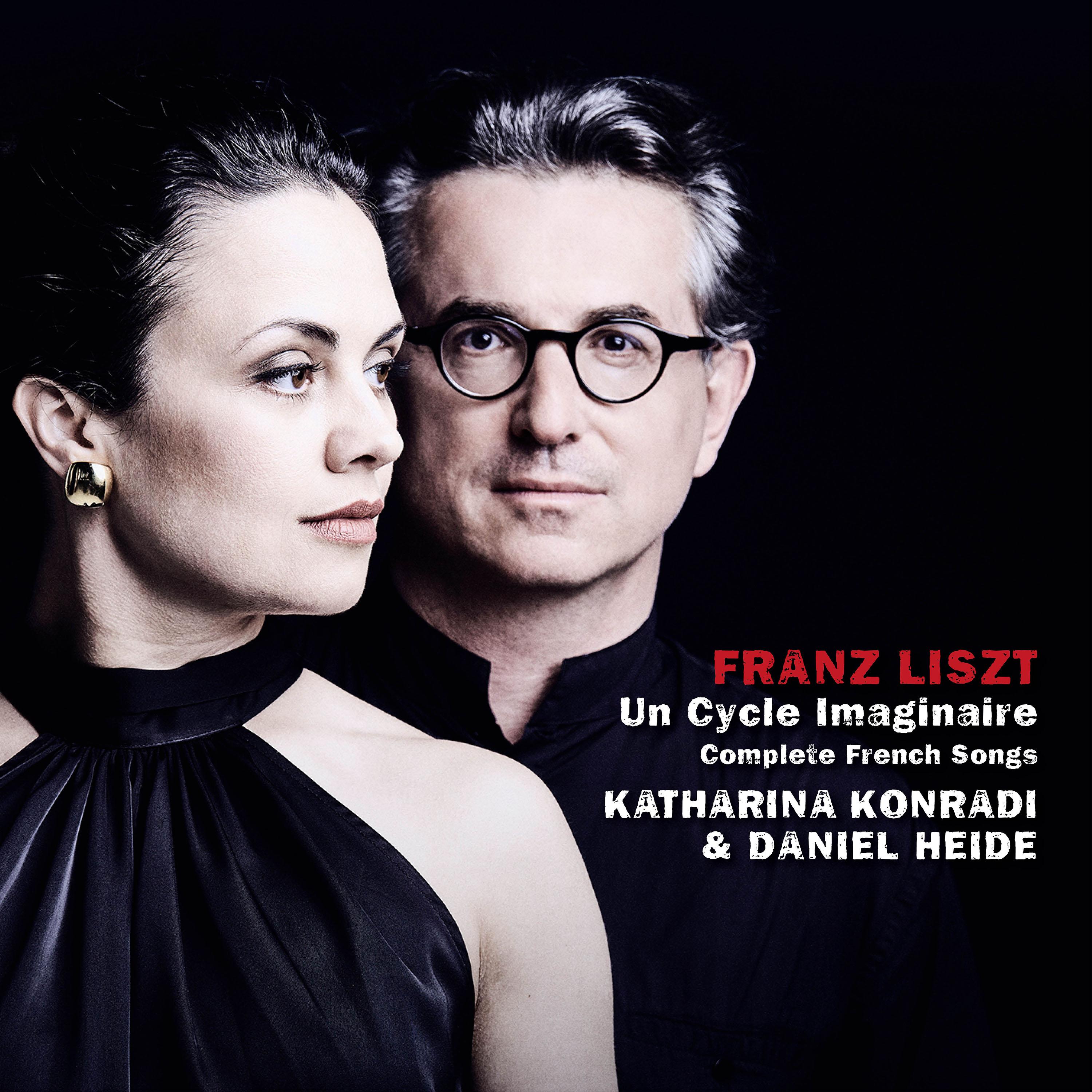
Franz Liszt, Un Cycle imaginaire, Complete French Songs
Katharina Konradi & Daniel Heide
CAvi
·
2025