
Artist
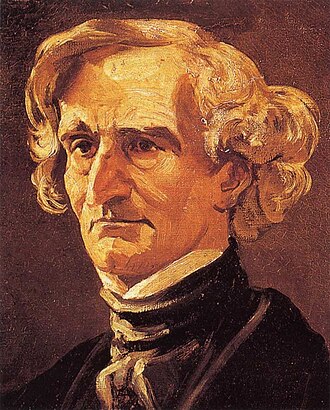
Hector Berlioz
Louis Hector Berlioz (La Côte-Saint-André, 11 December 1803 – Paris, 8 March 1869) was as a French composer, music critic and conductor one of the most important and most innovative representatives of Romanticism.
Berlioz was the son of a country doctor. He received music lessons from his father in his birthplace (located between Lyon and Grenoble). At the age of twelve he had his first truly musical experience when he heard the girls' choir sing during his first communion. In the same year he fell in love with Estelle Dubœuf, a girl from the region who would later play a role in his life again.
In 1821 he was sent to Paris by his parents to study medicine. He was so impressed by opera there that he decided against his parents' wishes to become a composer. In particular, the works of Gluck were a revelation to him. Gluck would remain an idol of Berlioz throughout his life.
Berlioz took private lessons with Jean-François Lesueur. In his audacity he managed to have a self-composed mass performed, which he later tried to destroy. In 1991 the work was rediscovered on the organ gallery of the Sint-Carolus Borromeuskerk in Antwerpen. When Berlioz wanted to compete for the Prix de Rome in 1826, he did not even make it through the preliminary round.
Having grown wiser, he enrolled at the conservatory, where he studied with Lesueur and Antonin Reicha.
Berlioz was the son of a country doctor. He received music lessons from his father in his birthplace (located between Lyon and Grenoble). At the age of twelve he had his first truly musical experience when he heard the girls' choir sing during his first communion. In the same year he fell in love with Estelle Dubœuf, a girl from the region who would later play a role in his life again.
In 1821 he was sent to Paris by his parents to study medicine. He was so impressed by opera there that he decided against his parents' wishes to become a composer. In particular, the works of Gluck were a revelation to him. Gluck would remain an idol of Berlioz throughout his life.
Berlioz took private lessons with Jean-François Lesueur. In his audacity he managed to have a self-composed mass performed, which he later tried to destroy. In 1991 the work was rediscovered on the organ gallery of the Sint-Carolus Borromeuskerk in Antwerpen. When Berlioz wanted to compete for the Prix de Rome in 1826, he did not even make it through the preliminary round.
Having grown wiser, he enrolled at the conservatory, where he studied with Lesueur and Antonin Reicha.
Upcoming concerts
Full calendar →
On Klassiek Centraal
12 articles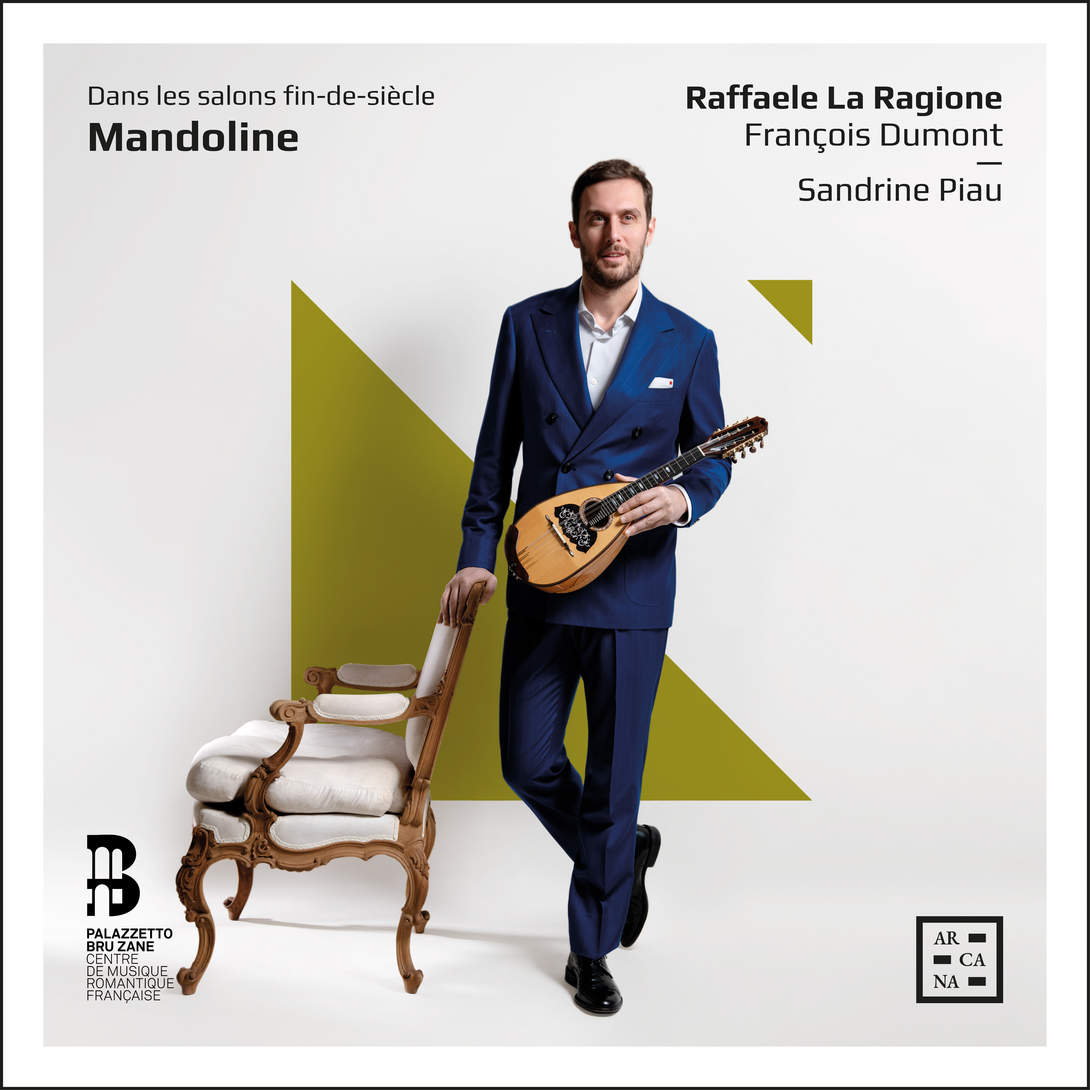
Reviews
Mandolines in de salons van de Belle Époque
Werner De Smet
·
14 Jun. 2026
·
4 min read
Reviews
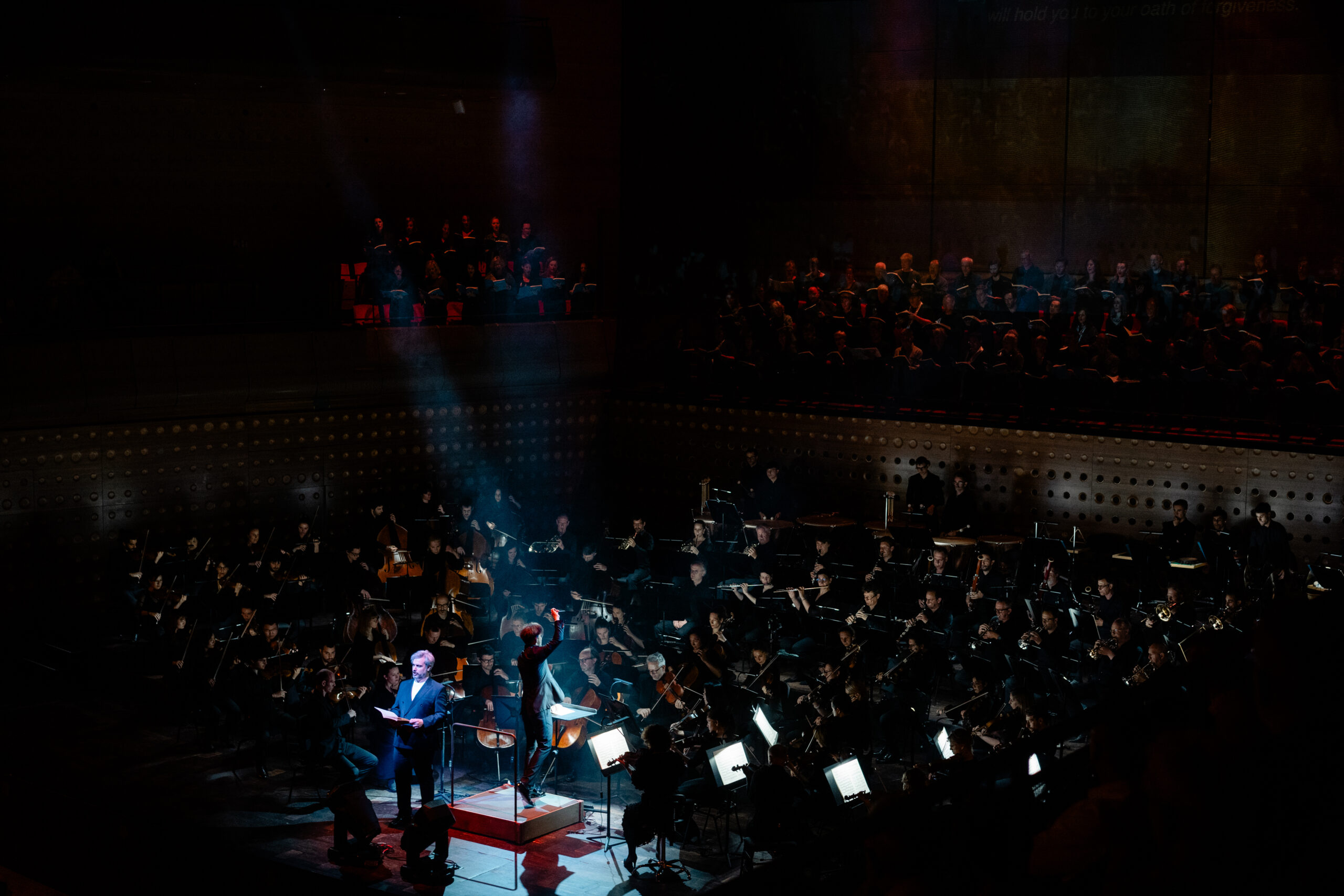
Berlioz' hybride meesterwerk herleeft in Antwerpen
Werner De Smet
·
2 Jun. 2026
·
7 min read
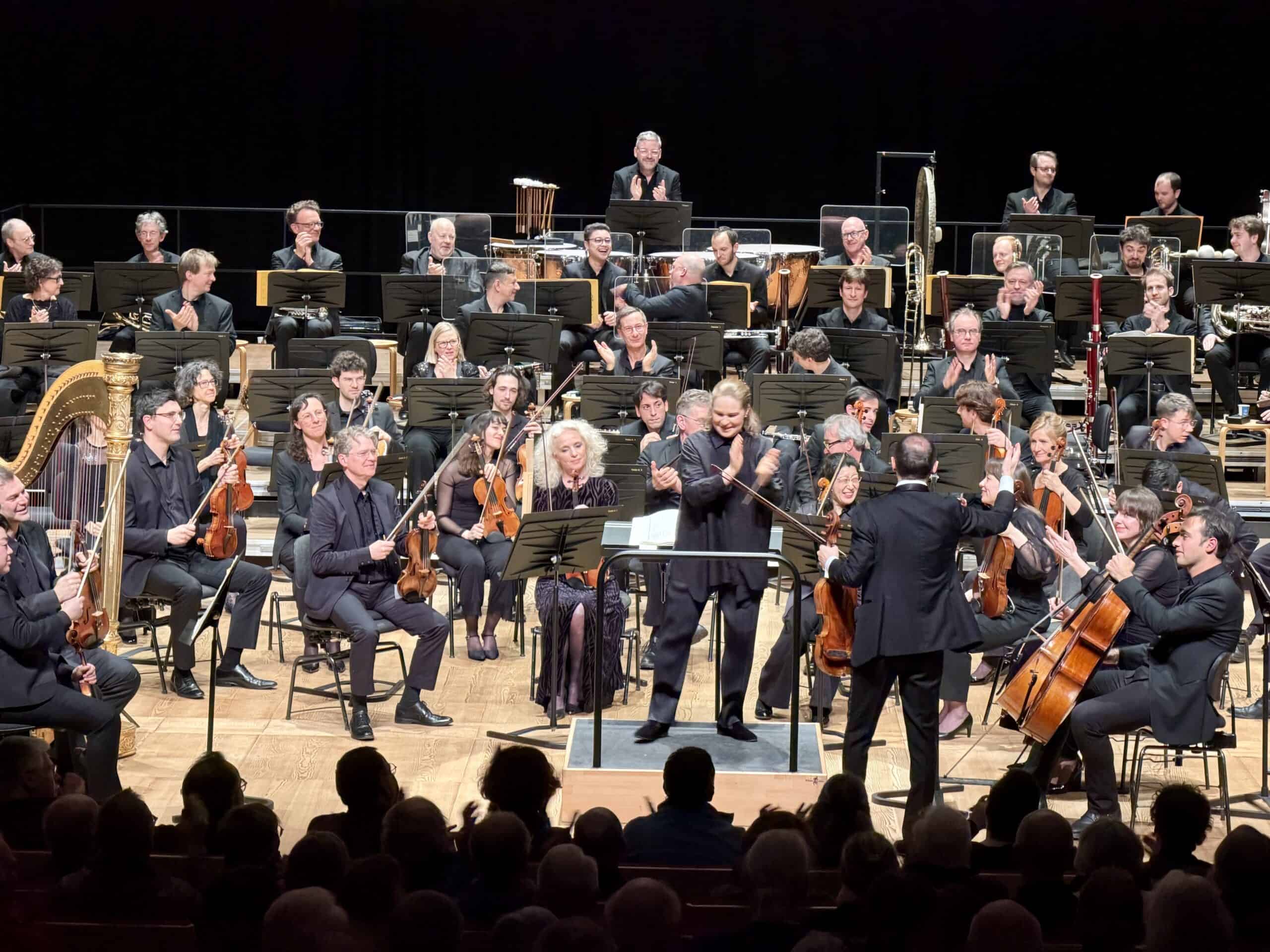
Reviews
Berlioz en Tsjaikovski in een meeslepende dialoog in de Grand Manège
Jacques Kinnaer
·
25 Feb. 2026
·
4 min read
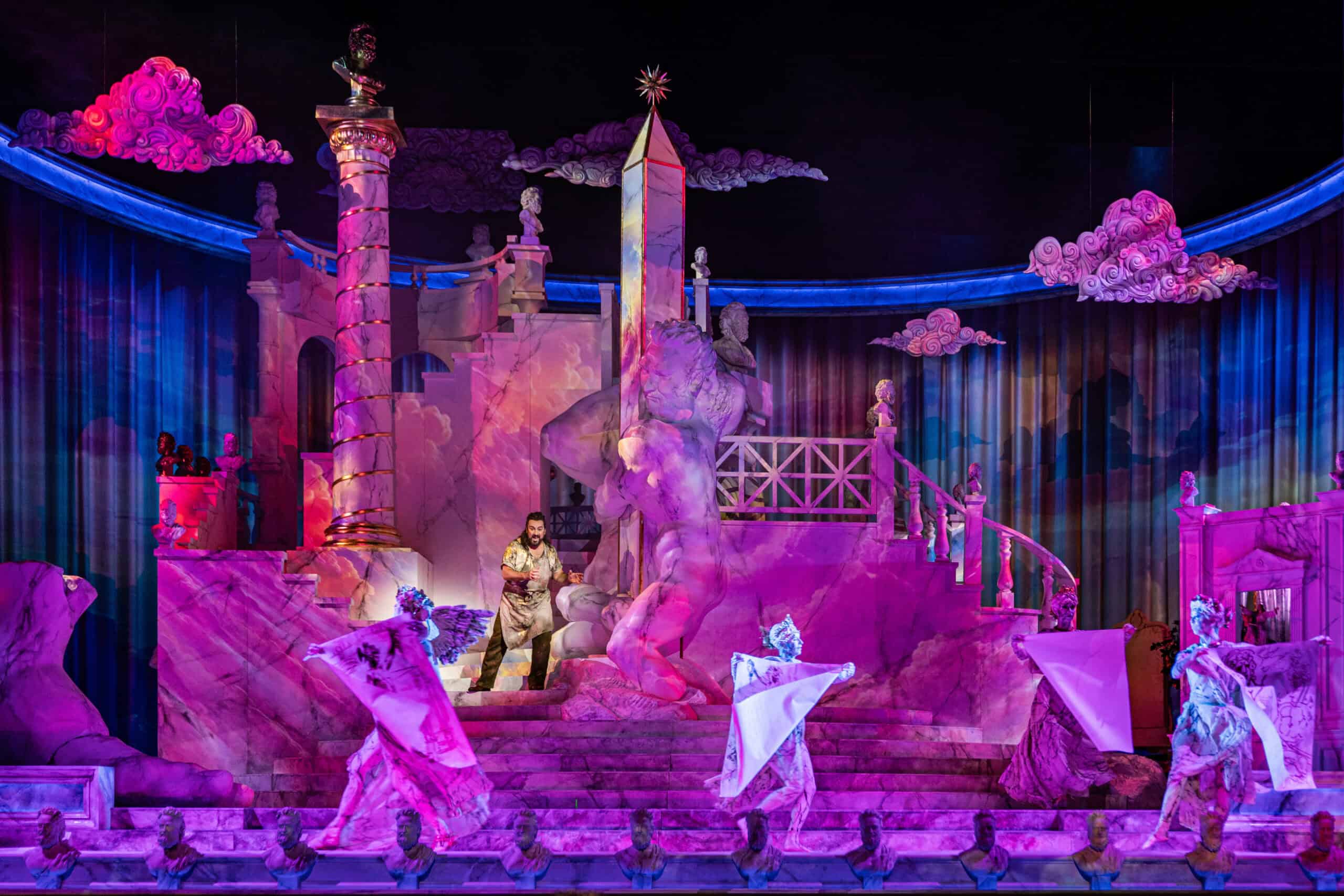
Reviews
Hector Berlioz Benvenuto Cellini Tsunami aan beelden, weelde aan klank
Lucrèce Maeckelbergh
·
30 Jan. 2026
·
6 min read
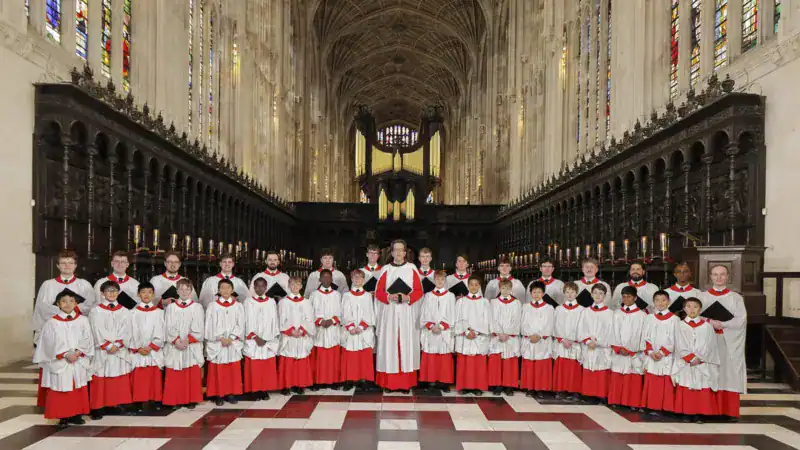
Reviews
Carols from King’s – Een liturgisch baken in de winter
Werner De Smet
·
30 Dec. 2025
·
10 min read
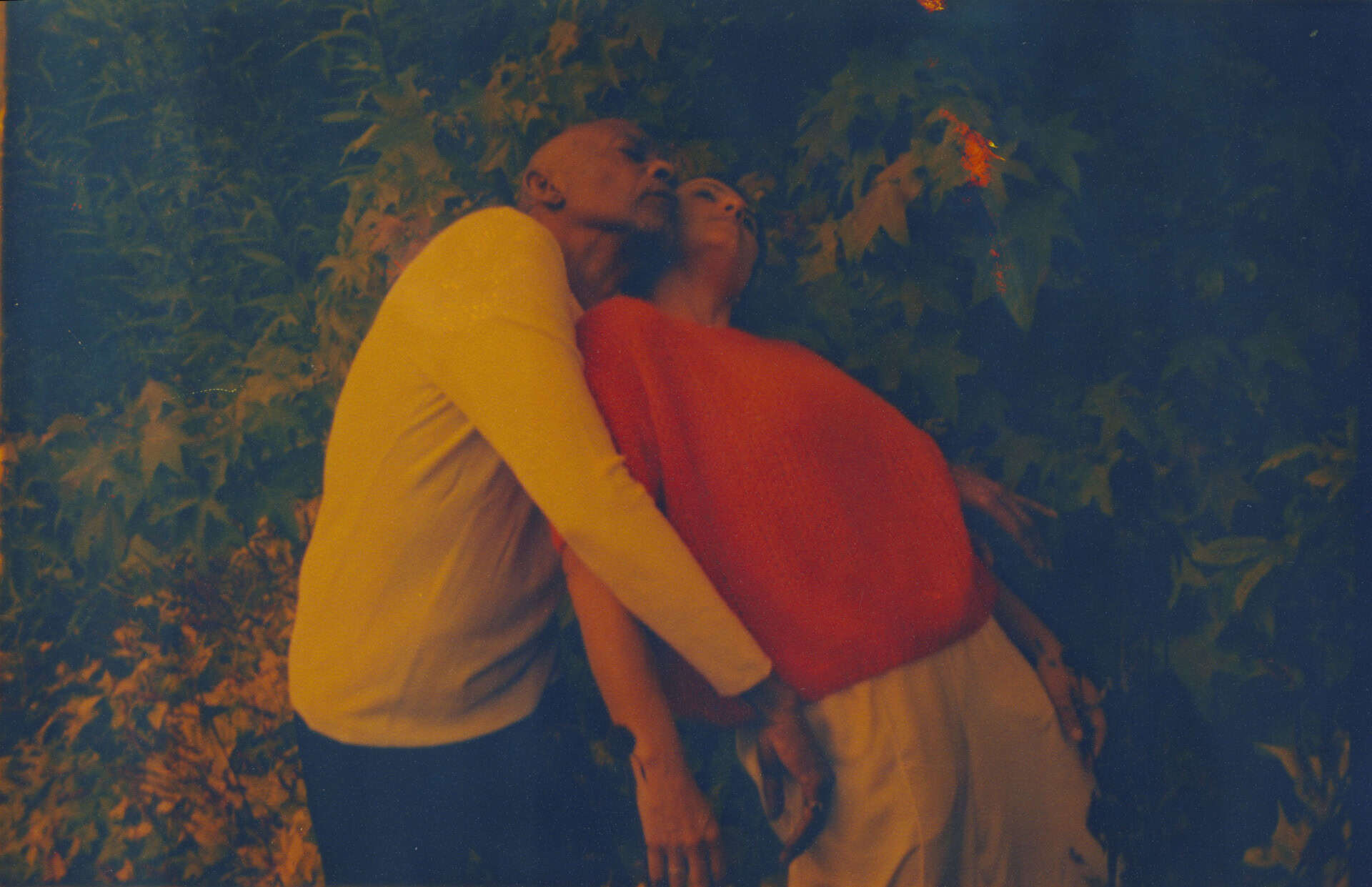
Announcements
Toujours l’amour — Concertgebouw Brugge zet liefde centraal in seizoen 2025/26
Redactie
·
11 May 2025
·
4 min read
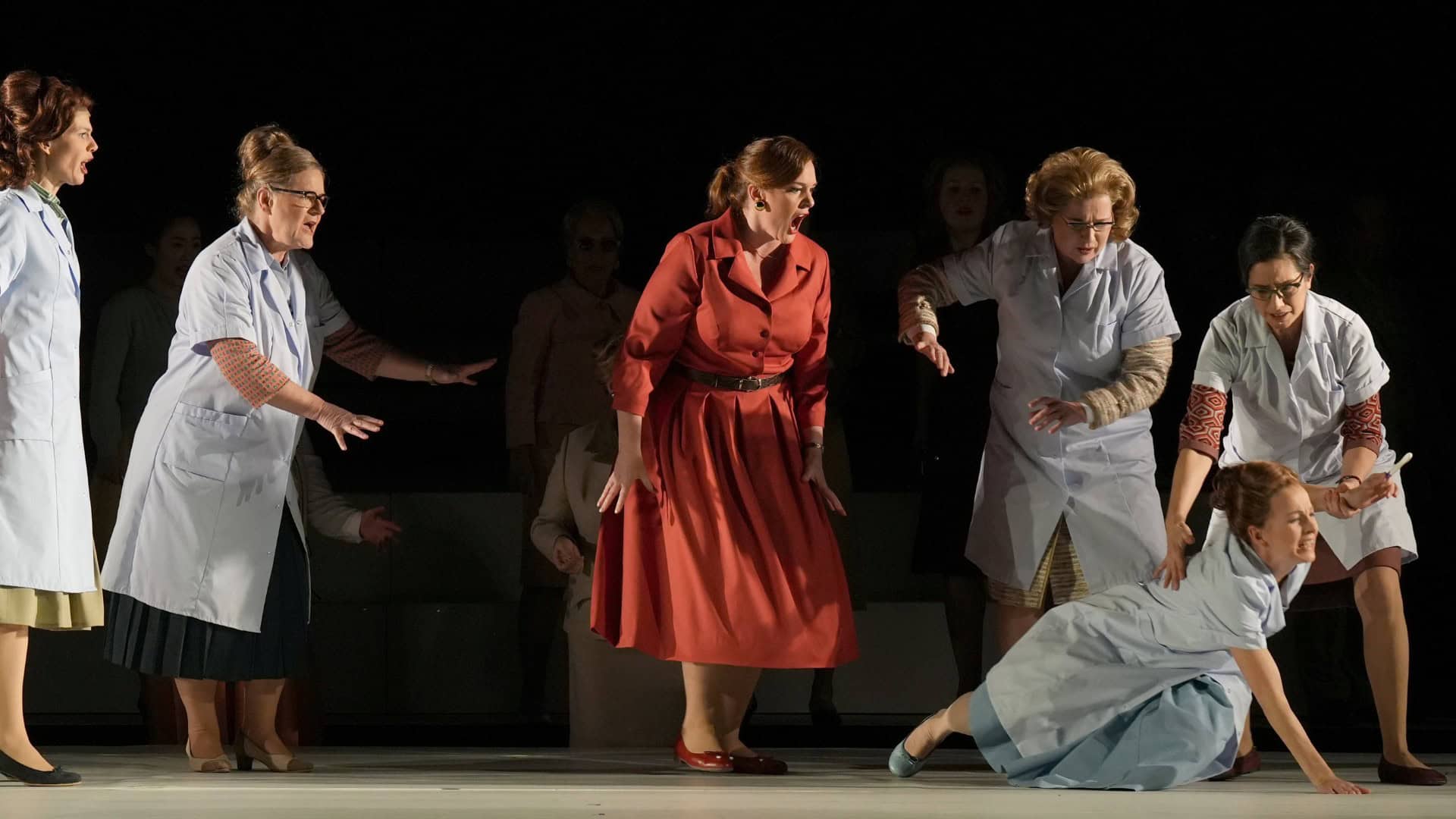
Reviews
Komponistinnenfestival in Essen toont vrouwen in al hun kracht
Veerle Janssens
·
13 May 2024
·
7 min read
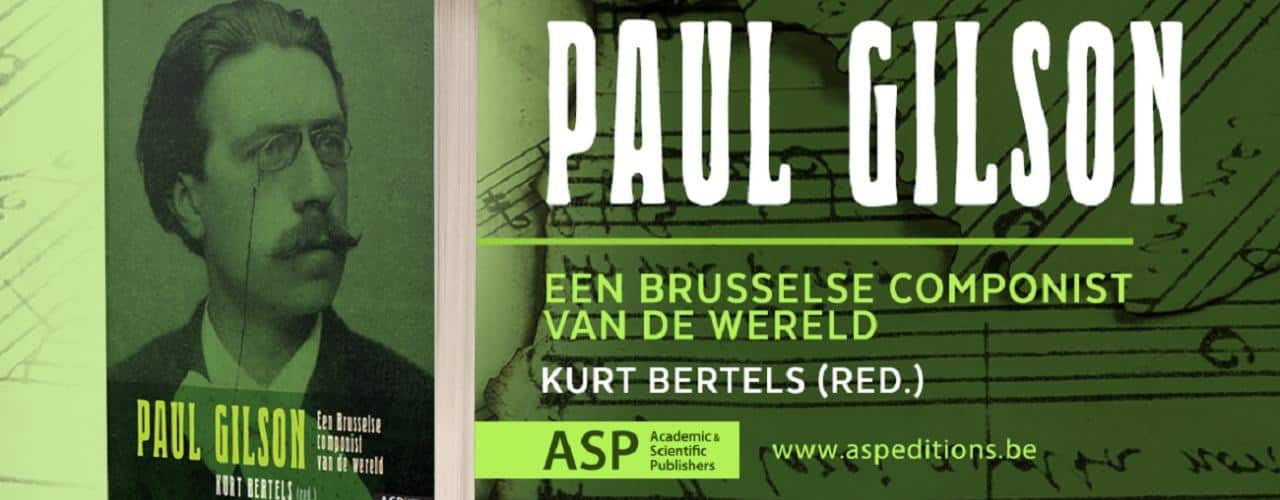
Reviews
Paul Gilson: het ongemakkelijke vaderschap van de Belgische blaasmuziek
Wynold Verweij
·
12 Apr. 2023
·
4 min read
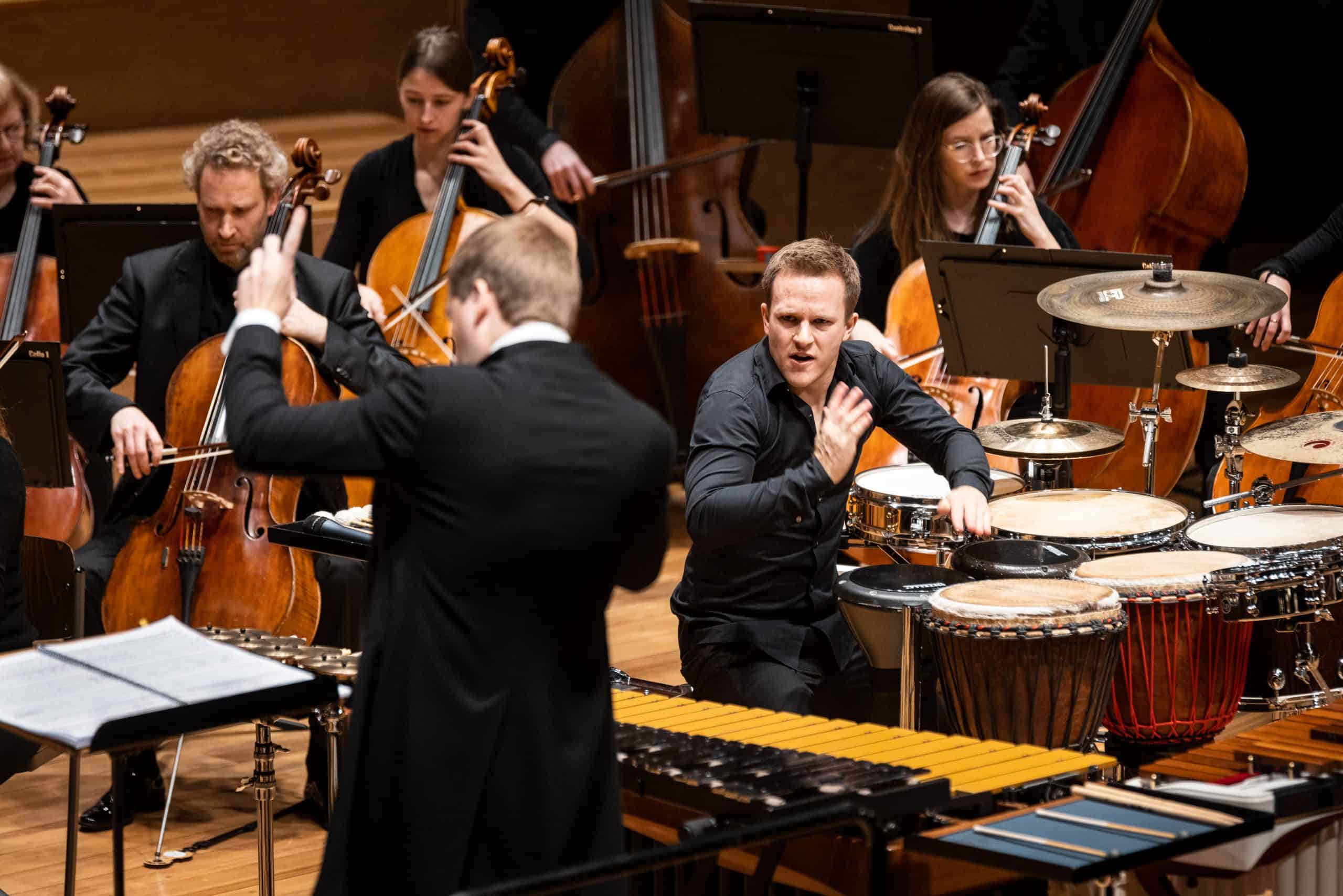
Reviews
Symfonieorkest Vlaanderen: Carnavalesk
Viviane Redant
·
24 Jan. 2023
·
4 min read
Reviews
Romantische klanken op trombone
Helena Gaudeus
·
22 Dec. 2022
·
3 min read

Reviews
Een oriëntale bloemlezing door Clotilde Van Dieren
Helena Gaudeus
·
28 Aug. 2022
·
6 min read

News
Caecilia prijzen 2021 | Laureaten
Roger Creyf
·
26 Mar. 2022
·
11 min read
Never miss what moves in classical music
Subscribe to our newsletter.