
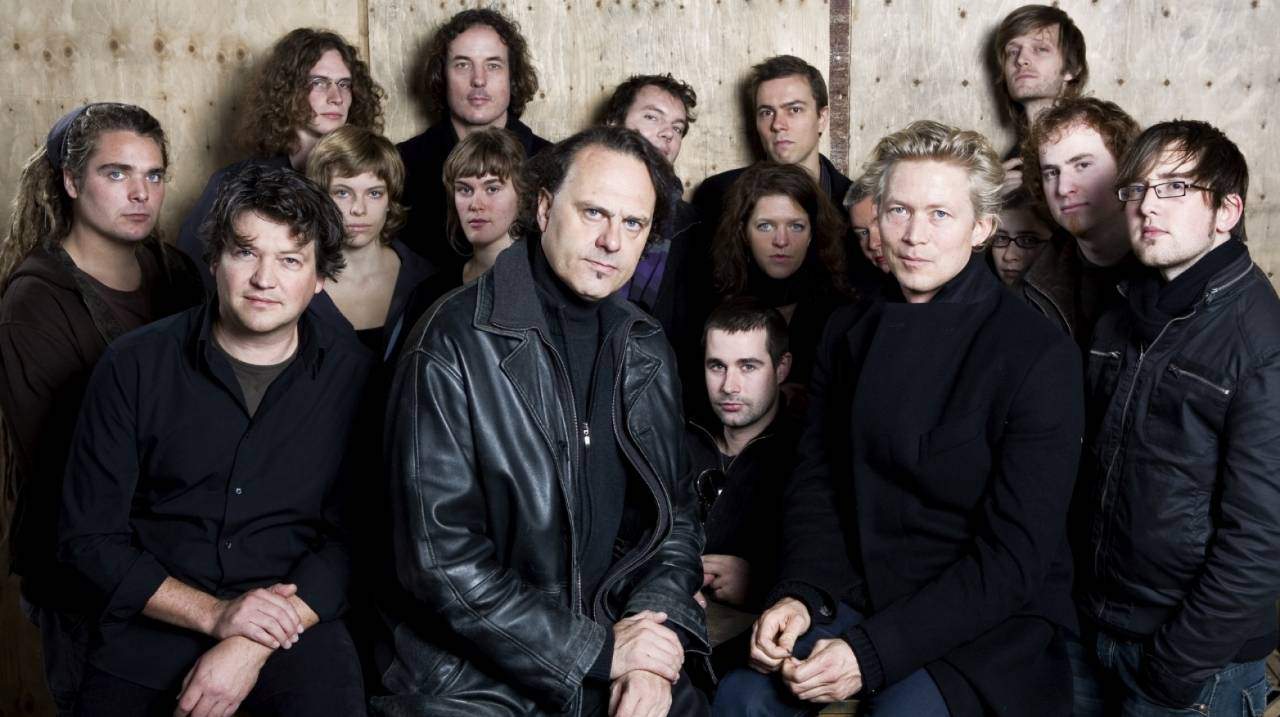
Last Saturday, the stage of deSingel was in the hands of BL!NDMAN, a collective of string instruments, saxophones, percussion, keyboard, tubax and electronics with a program around three leading American minimalists, Philip Glass, Terry Riley and Steve Reich.
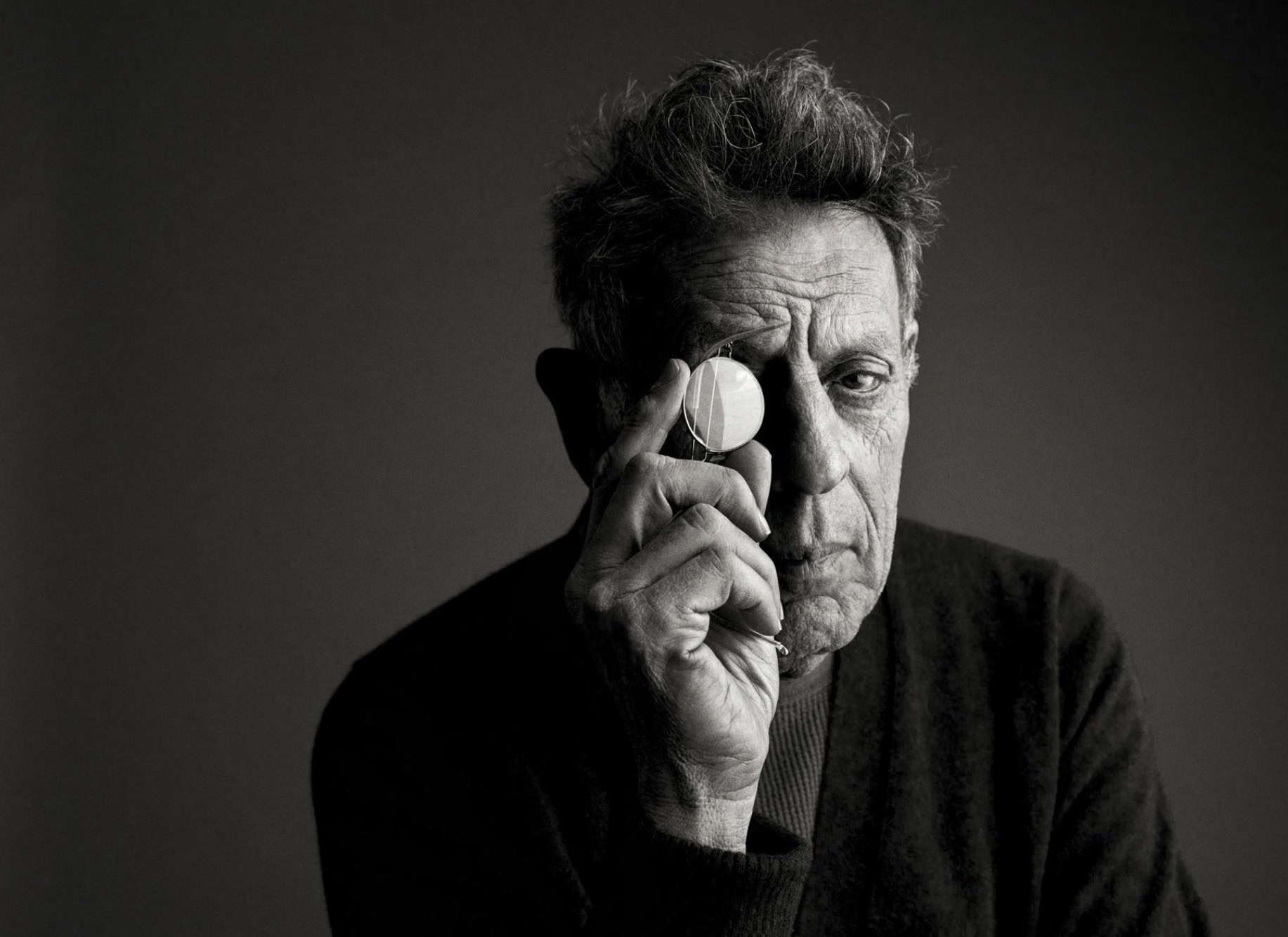
These three composers, all well into their eighties, have known each other since the end of the 1960s when they gave joint studio concerts in the then New York downtown scene, Greenwich Village and SoHo. Initially, their common denominator was a deeply felt aversion to the European modernists and avant-gardists of the 20th century, such as Pierre Boulez, Arnold Schönberg and Karlheinz Stockhausen. Glass regarded the work of the modernists as "a wasteland, dominated by maniacs, who tried to make everyone write this narrow music." According to Glass, the time had come for experiments to give way to pleasure. The public deserved to have their voice back. And Steve Reich later said in an interview with The Guardian (2013): "What my generation did was not a revolution, it was a restoration of harmony and rhythm in a completely new way, but it did bring back those essences that people wanted (…). Now we live again in a normal situation where the window between the street and the concert hall is open."
Repetitive
American minimalism is a composition technique in which repetitive processes are unleashed on extremely limited musical material. Other characteristics are: an intellectual predilection for systematicity - a curious gesture toward the modernists and serialists despised by minimalists -, introduction of non-Western music styles (Reich: gamelan, Glass: India) and collaboration with other art forms such as theater. Within the palette of structuring elements, American minimalists place rhythm above pitch, respectively pitch above harmony.
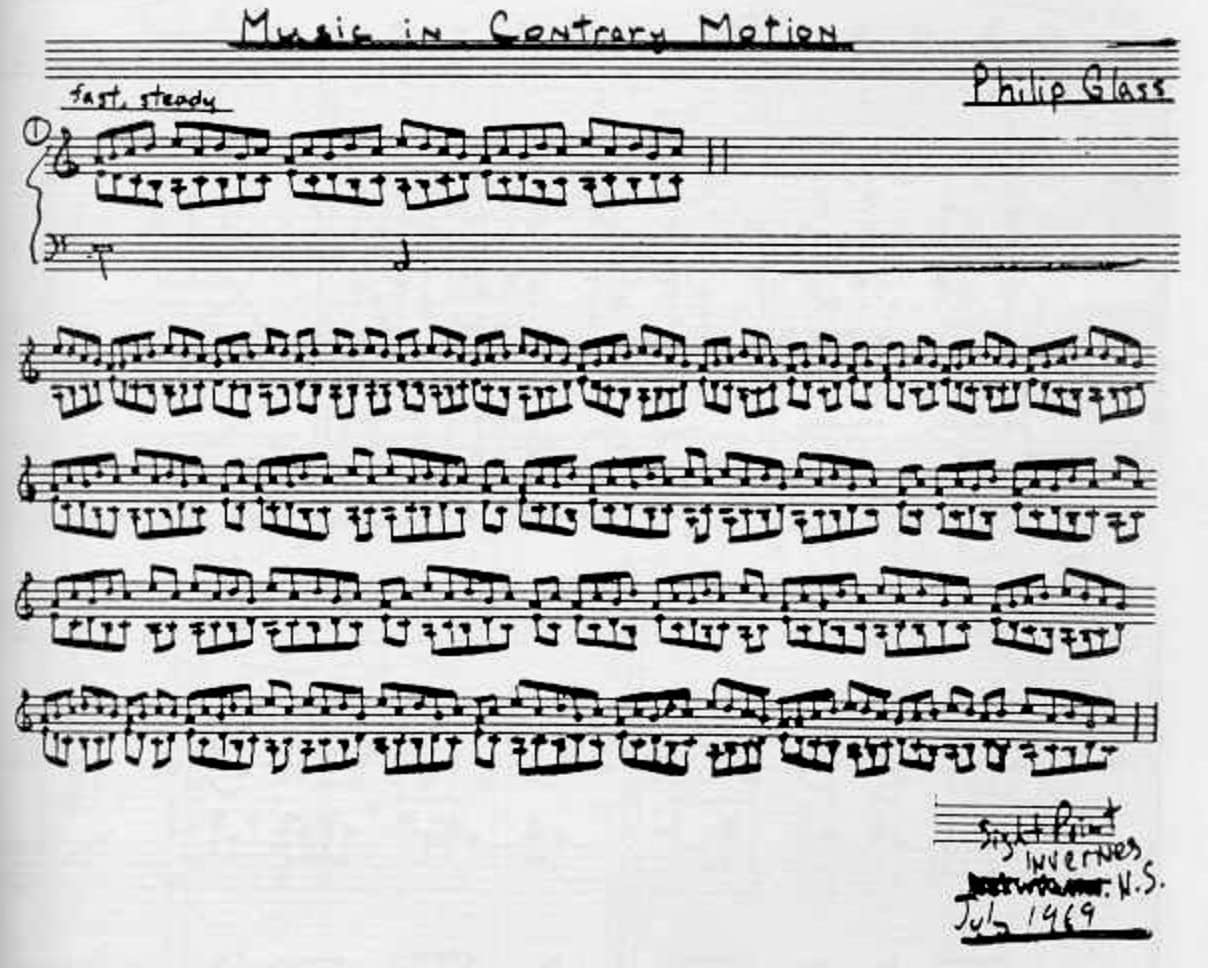
With Philip Glass (°1937), those principles result in a compositional exploration with triads of the same time value as main building blocks. There is no musical development or elaboration, the repetition processes become increasingly dynamic and energetic. This came across well on Saturday in Music in Contrary Motion. The title refers to the inverse relationship between the low and high voice which are moreover mirrored, grouped in four or five notes. The piece is written in "open form", that is, it does not work towards a final cadence but simply stops. Glass' respect for the individuality of each instrument came through clearly. Starting with keyboard (Fabian Coomans), the build-up to tutti was developed step by step via percussion, strings, saxophones and tubax. Despite Glass' sympathy for the listener, he cannot resist playing tricks on them. At first glance, this piece comes across as a kind of warm-up, but only after it stops does the listener realize that that was precisely the essence.
Previous Next
Steve Reich
The bulk of the concert was taken up by Steve Reich (°1936). After the brief duet for two marimbas Nagoya Marimbas, two instruments that convey warmth and friendship unparalleled, three longer pieces followed. In Cello Counterpoint, cellist Suzanne Vermeyen engaged in dialogue with seven cellos that had been recorded on tape beforehand. She played energetically and brilliantly, moreover it sometimes seemed as if she was leading an ensemble. Then the listener had the feeling that she was encouraging her fellow players, and with success. This makes one curious for a live performance of all the cello parts. In the following New York Counterpoint for four saxophones and electronics, the saxophone quartet entered into dialogue with itself. Reich uses minimal pulse shifts here that ultimately result in rhythmic canons. There are also jazzy elements to be heard, but the musicians showed somewhat less flexibility here than would be expected of early jazz.

Danceable
In the Triple Quartet for four strings, listeners were treated to a mixture of rousing rhythm and East European melancholy. In the build-up typical of Reich (fast-slow-fast), the performers showed how danceable pulsating rhythms can be. The piece was a feast for both listeners and musicians. If they had continued any longer, the aisles and the stage would certainly have been filled by swinging couples.
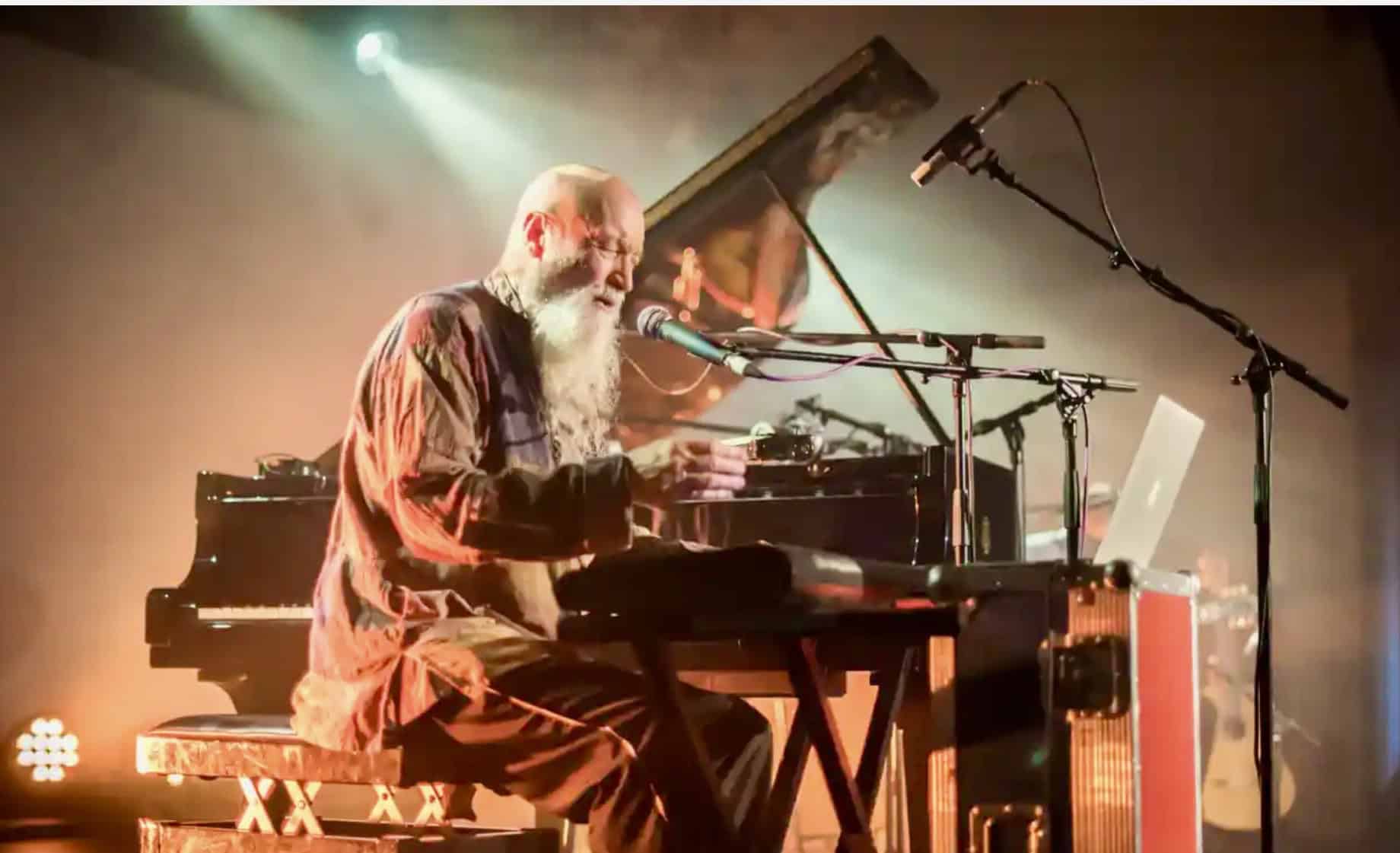
Terry Riley (°1935) was also present, albeit modestly, with the saxophone quartet The Tuning Path, an exploration of the just intonation in stretched chords. The intervals begin crystal clear, the most compelling parts are the transitions between them. As the piece progresses, dissonances would manifest themselves somewhat more, but that came less into its own in this performance. It could have been allowed to be a bit more abrasive.
The closer was Music in Similar Motion by Philip Glass. This piece is remarkable because Glass finds a place for harmony. The piece is based on repeated phrases that develop slowly. The work begins with a melodic line, and then adds another a fourth above it, then again a fourth below, and a bass line. It sounds simple and clear, but the transformation the music undergoes as a result is ingenious and convincing. This too is composed as "open form", but fell a bit short in the performance.
WHAT: ICONS, American minimalists
WHO: BL!NDMAN
WHERE: deSingel, Antwerpen
WHEN: 21 January 2023
AGENDA: A 3-CD box "ICONS" (3 American minimalists) will be released on 14 April 2023 at Warner Classics.