

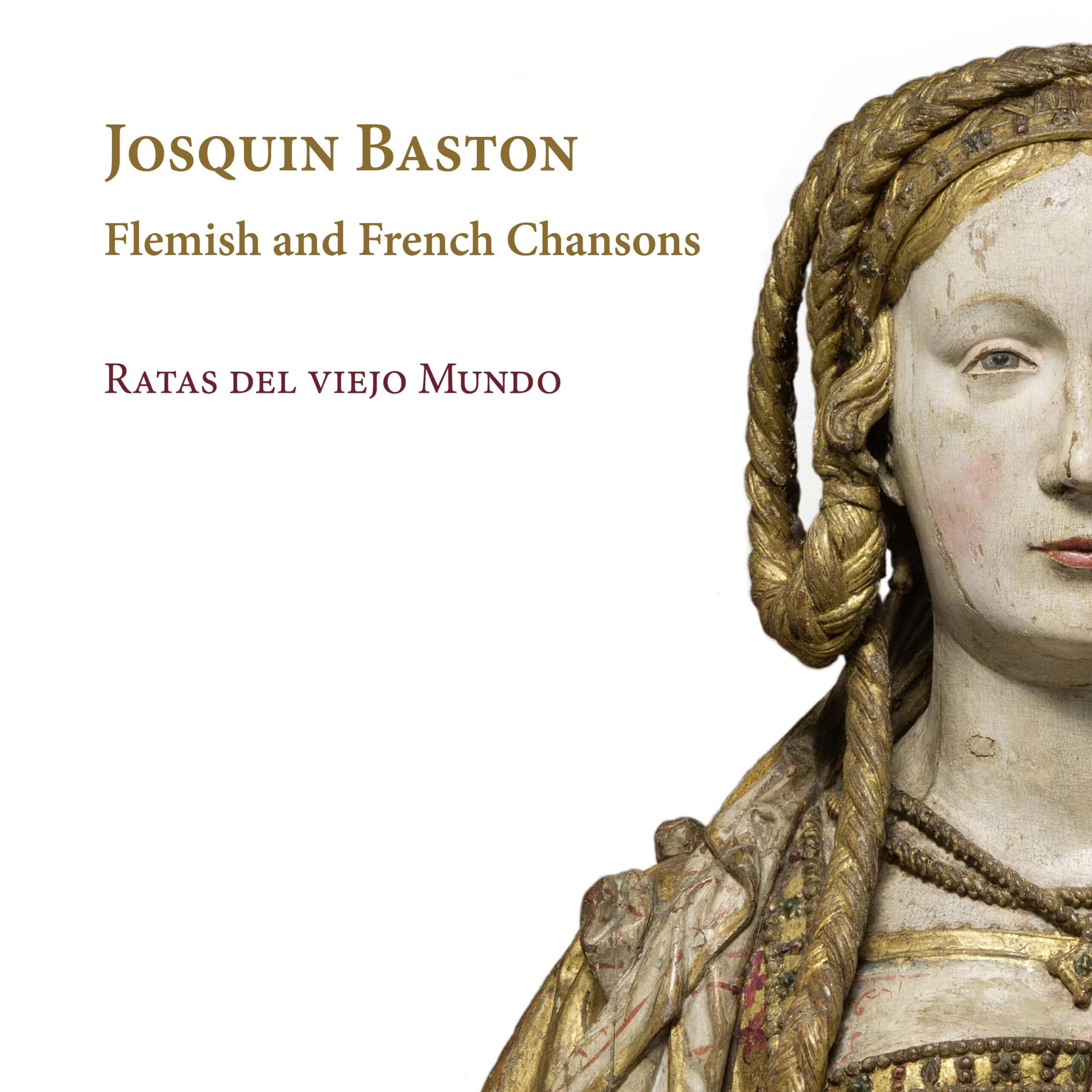
Josquin Baston
Flemish and French Chansons
Ratas del viejo Mundo
1 CD Ramée
The forgotten polyphonist Josquin Baston is being rediscovered. Little is known about the composer's life. A mysterious veil hangs over his name. Baston's oeuvre is characterized by charm, quality and expressiveness. Floris De Rycker and his ensemble Ratas del viejo Mundo bring with their CD 'Baston: Flemish and French Chansons' an homage to this Franco-Flemish composer. Through his chansons, they demonstrate how Baston played with the formes fixes of the 16th century. Stylistically, his profane and religious music are almost identical to each other. The key word is almost. The difference lies in the details. Ratas del viejo Mundo has understood this message well. With attention to phrasing and rhythmic accents, they present these more subtle differences in a lively manner. (Helena Gaudeus)
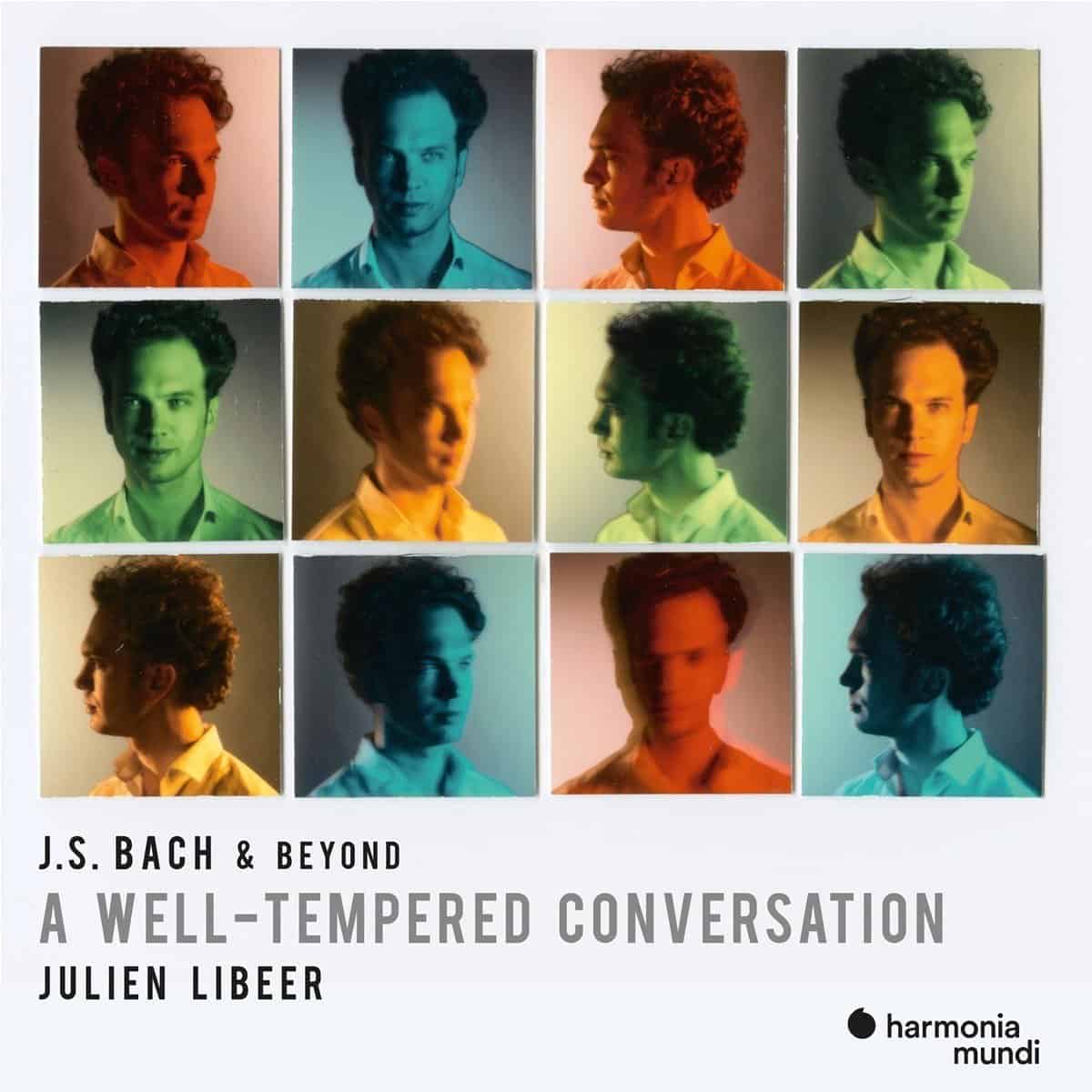
Bach & Beyond
A Well-Tempered Conversation
J.S. Bach, Preludes & Fugues in major keys fromBook 1 of The Well-Tempered Clavier, BWV 846-868 – Works in minor keys by Beethoven, Chopin, Rachmaninov, Fauré, Ravel, Mozart, Brahms, Shostakovich, Busoni, Ligeti, Reger, Schoenberg
Julien Libeer
2 CD Harmonia Mundi
Pianist Julien Libeer departs from Bach's cornerstone Das Wohltemperierte Klavier but does not perform the 24 preludes and fugues in all keys integrally. On 'A Well-Tempered Conversation', he pairs the pieces in major keys with a carefully selected minor key work by a later composer, as a dialogue across the centuries. His choice is very conscientious, ranging from Beethoven and Mozart to Schoenberg and Shostakovich. Libeer succeeds wonderfully in making these musical-historical connections clearly audible in his performance, by landing on a musical language that perfectly suits both Bach's high Baroque and all his illustrious successors. (Jasper Croonen)
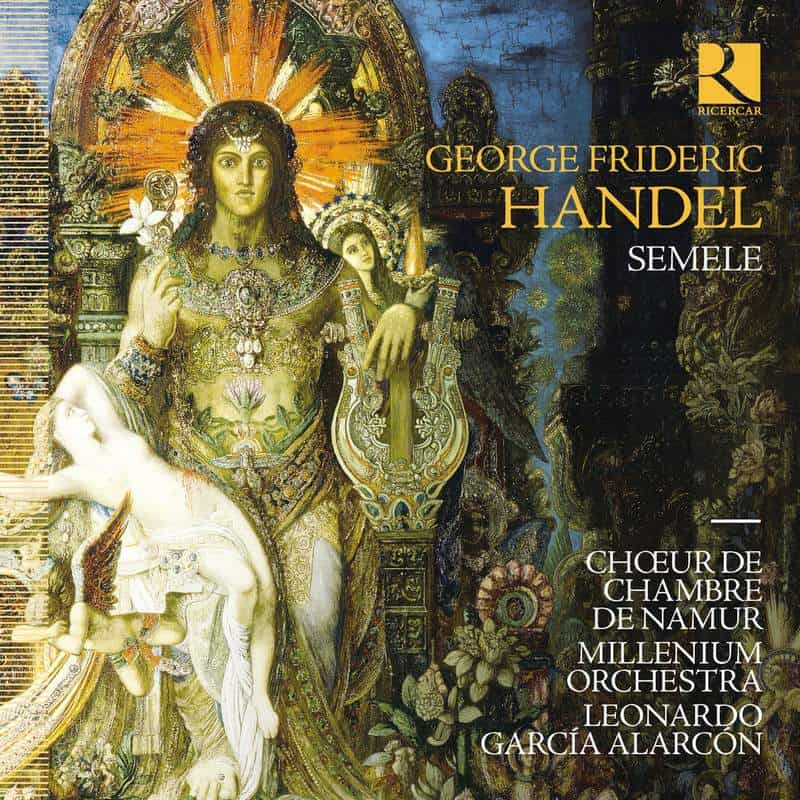
George Frideric Handel
Semele HWV 58
Chœur de chambre de Namur, Millenium Orchestra
Ana Maria Labin, Dara Savinoya, Lawrence Zazzo, Gwendoline Blondeel, Matthew Newlin, Chiara Skerath, Andreas Wolf
Leonardo García Alarcón
3 CD Ricercar
Handel's first English "opera" is now regarded as one of the finest creations of the Saxon composer's maturity. Semele — which is essentially nothing more than a concert divertimento — exhibits features of both Italian opera seria and the English tradition of masque and semi-opera. The chorus plays a major role, bringing the work very close to a secular oratorio. The Chœur de chambre de Namur and the Millenium Orchestra make a great impression with their breathtaking vitality and deliver a flamboyant interpretation in which the richness and theatricality of the musical drama are perfectly showcased. The soloists here are ideal and excellently portray the emotional and psychological state of the protagonists. Arias and ensembles are both virtuosic and lyrical and display a broad range of humor, amorous tenderness, frustrated desires and tragic jealousy. (Olivier Vrins)
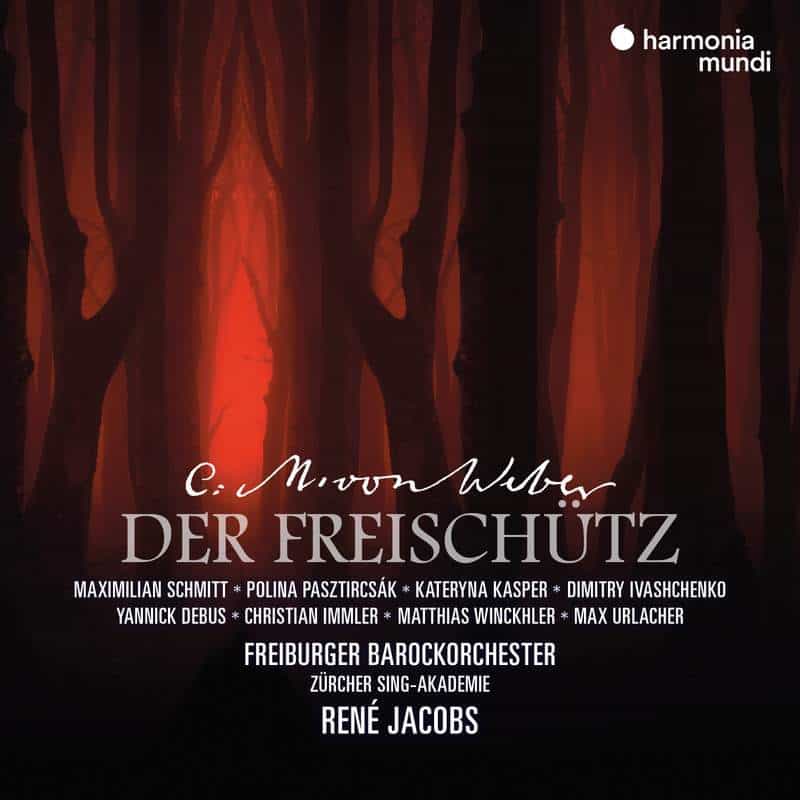
Carl Maria von Weber
Der Freischütz
Christian Immler, Polina Pasztircsák, Kateryna Kasper, Maximilian Schmitt, Yannick Debus, Matthias Winckhler, Max Urlacher, Dimitry Ivashchenko
Zürcher Sing-Akademie, Freiburger Barockorchester
René Jacobs
2 CD Harmonia Mundi
René Jacobs takes a fresh look at Weber's fantastic Singspiel (with the "prologue" that the composer omitted from the premiere at his wife's request) and turns it into a thrilling audio drama. The language of this Freischütz is somewhat modernized, the original dialogues shortened — taking into account the eponymous folk tale by Johann August Apel — and the appearance of the Hermit at the beginning of the opera is reintroduced. Jacobs does not have this opening scene — which was never officially set to music, but was certainly intended to be sung — performed by actors (as many directors have done in the past) nor does he use music "in the style of Weber" — as the competent composer Oskar Möricke wrote it. Instead, he uses beautiful harmonies, taking the music of the composer of Aufforderung zum Tanz as a starting point, but also drawing elsewhere — such as from Schubert — for Kuno's "ballad". The final result is a Hörspiel in which nothing of the beauty of the original work is lost, but which certainly gains in coherence. And this with the active cooperation of an equally convinced and convincing team of singers! (Olivier Vrins)
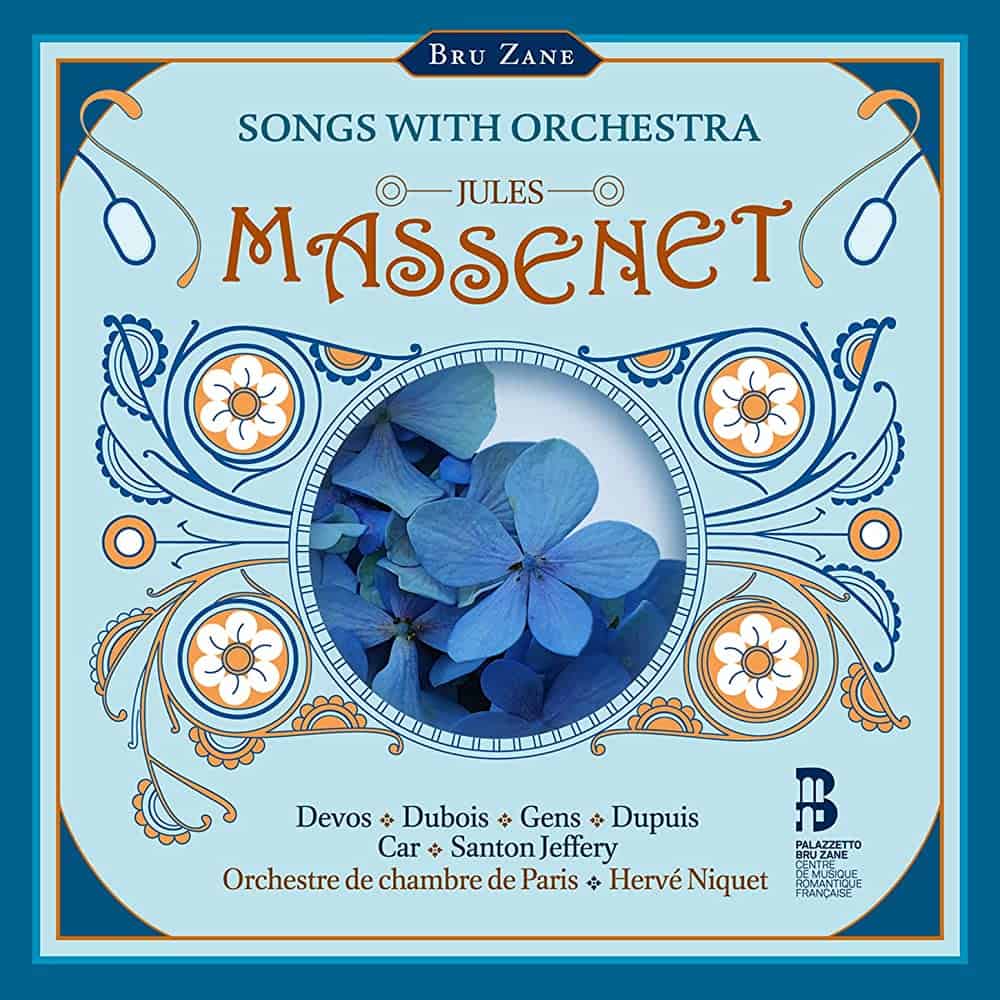
Jules Massenet
Songs with Orchestra
Nicole Car, Jodie Devos, Cyrille Dubois, Etienne Dupuis, Véronique Gens, Chantal Santon Jeffery
Orchestre de chambre de Paris
Hervé Niquet
1 CD Palazzetto Bru Zane
This recording will certainly be a surprise for those who hold the opinion that Massenet could do nothing but pen sentimental and overly sweet music. There sometimes hangs over these songs with orchestral accompaniment an unmistakable fin de siècle perfume, but these subtly orchestrated compositions know how to charm through elegance and sensitivity, but sometimes also through humor. The cream of the crop of current French-speaking voices and conductor Hervé Niquet provide an interpretation executed in every detail. (Patrice Lieberman)
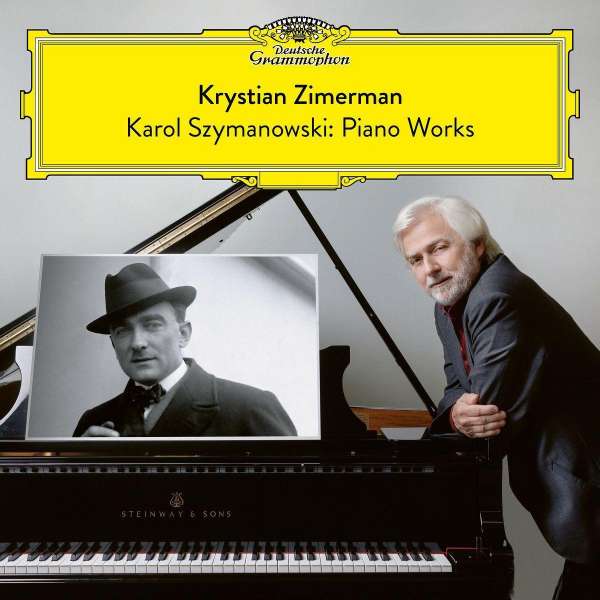
Karol Szymanowski
Preludes op. 1 (Nos. 1, 2, 7 & 8), Masques op. 34, Mazurkas op. 50 (Nos. 13-16), Variations on a Polish Folk Theme op. 10
Krystian Zimerman
1 CD Deutsche Grammophon
When one speaks of Polish preludes and mazurkas, one speaks of Frédéric Chopin. Piano icon Krystian Zimerman takes a different approach with his album, pointing you in the direction of Karol Szymanowski. These piano miniatures are also bathed in folk influences thanks to subtle rhythmic elements and striking melodies. Yet with Szymanowski, it is especially Slavic melancholy that shines through. Zimerman masterfully captures the tone of this music with subtle touches, with striking clarity in the polyphony and with a rubato that sighs with longing. Some of these recordings had been shelved for nearly thirty years. Fortunately, they have finally been released! (Jasper Croonen)
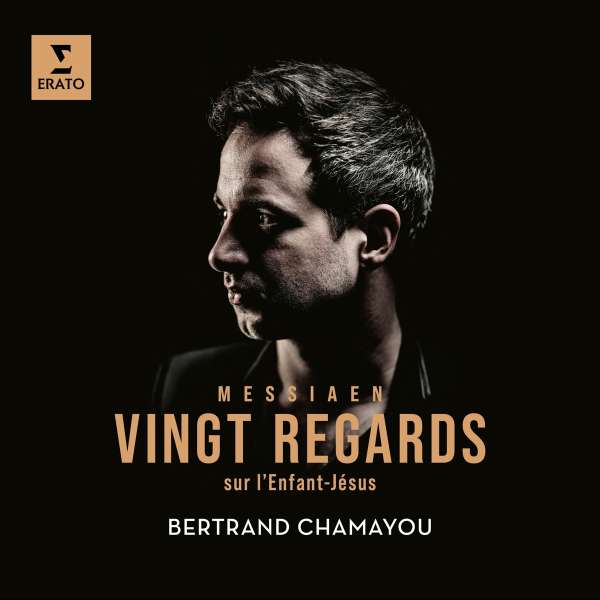
Olivier Messiaen
Vingt Regards sur l'Enfant-Jésus
Bertrand Chamayou
2 CD Erato
Chamayou was only nine years old when he first heard the Vingt Regards, a gripping work that resonated within him forever. This recording captures the consequences of a shock that has lost none of its power in the meantime. As a pianist who always casts his light over the music, Chamayou commits himself entirely to this demanding, sharp and gleaming score. He impresses through his infallible taste, his brilliant command of dynamics and endlessly varied touch, transforming this rhythmically incredibly complex music into a stained-glass window, worthy of Chagall. Nothing is lost in this extraordinary performance: the piano—silk-soft or percussive—becomes an orchestra, the sound recalls the gamelan or birdsong, all to decipher the "mystical language of love, at once multifaceted, tender, sometimes brutal, with multi-colored arrangements" that the composer invented. Forty years after the version of this work by Yvonne Loriod, also released by Erato at the time, Chamayou provides a new reference recording. (Olivier Vrins)
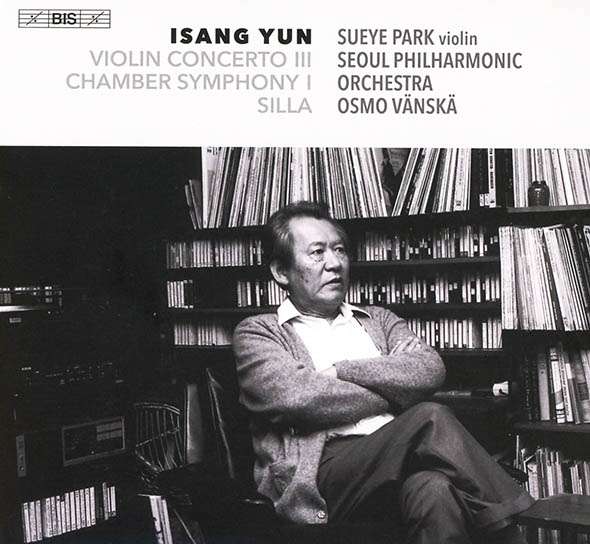
Isang Yun
Silla – Violin Concerto No. 3 – Chamber Symphony
Sueye Park
Seoul Philharmonic Orchestra
Osmo Vänskä
1 CD BIS
Traditional Korean music, European avant-garde and an impressive knowledge of timbre: these are the three qualities that perfectly summarize the style of Korean composer Isang Yun (1917-1995). His oeuvre is known for its stylistic difficulties and technical challenges. The many individual lines must sound clear and equal, the abundant ornamentation must be carefully coordinated and nuances in tone color are crucial. The album Isang Yun - Three Late Works proves this all too well. The Seoul Philharmonic Orchestra under the direction of Osmo Vänskä performs no fewer than three of Yun's symphonic works. For the violin concerto, they are accompanied by Korean violinist Sueye Park. Together they deliver an impressive performance with attention to nuances in timbre. (Helena Gaudeus)
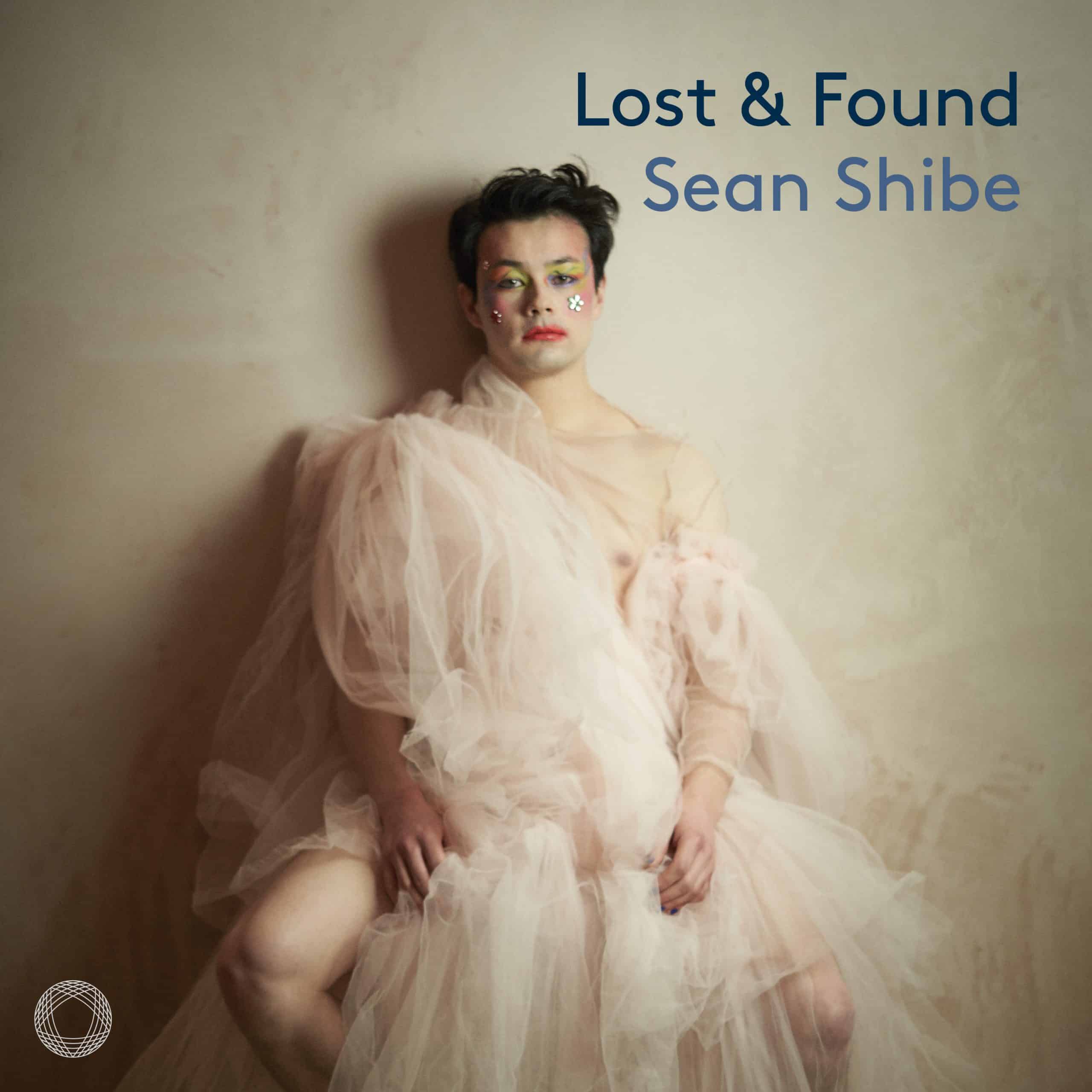
Lost & Found
Hildegard von Bingen, Chick Corea, Julius Eastman, Bill Evans, Shiva Feshareki, Daniel Kidane, Oliver Leith, Olivier Messiaen, Meredith Monk, Moondog
Sean Shibe
1 CD Pentatone
Sean Shibe is a unique figure, not pinned down to any style or tradition. On Lost & Found, he rearranges music by, among others, Hildegard von Bingen, Chick Corea, Moondog and Olivier Messiaen for his electric Fender guitar. The result is a play with the subtlety of electric sound, a fresh breath through centuries-old repertoire. His playing is extremely soothing, unexpectedly fragile for this instrument. Bewitching without falling into clichés, because just when Shibe in that stillness seems to cross the border with the ambient, he shakes the listener awake with well-placed energy, virtuosic fingerpicking and grating overdriven distortion. (Jasper Croonen)
Dhrupad Fantasia
Uday Bhawalkar, John Dowland, Tobias Hume, Romina Lischka, Robert Parsons
Uday Bhawalkar
Romina Lischka
Hathor Consort
Romina Lischka
1 CD Fuga Libera
In this extraordinary recital, viola da gamba virtuoso Romina Lischka and colleagues with dhrupad singer Uday Bhawalkar (who accompanies himself on tanpura) and percussionist Pratap Awad (pakhawaj) bring together two seemingly incompatible musical systems: one western, baroque and harmonic; the second Indian, timeless and rhythmic. And it works! Thanks to the resonance of the tanpura, the subtle embroidery of the pakhawaj, the subtle adjustment of certain pieces whereby one gets the impression that dissonances are 'resolved', and finally thanks to Romina Lischka's familiarity with the Indian musical language (she also masters the technique of Indian singing…), this recording offers, alongside repertoire pieces, moments of newly invented, lively and rich music. (Martine D. Mergeay)
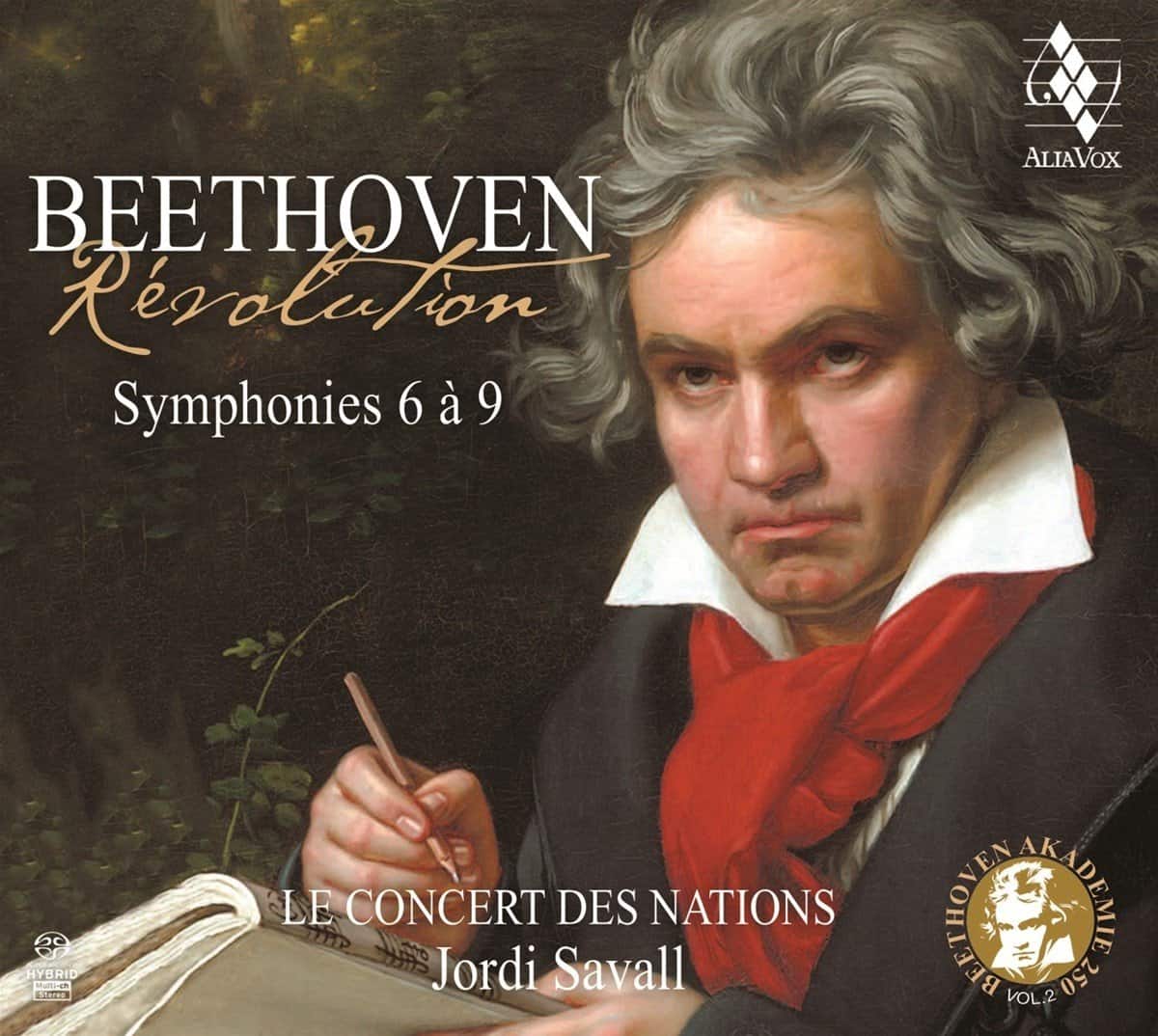
Ludwig van Beethoven
Symphonies 6 à 9
Sara Gouzy, Laila Salome Fischer, Mingjie Lei, Manuel Walser
Le Concert des Nations, La Capella Nacional de Catalunya
Jordi Savall
2 CD Alia Vox
SPECIAL PRIZE: Coup de cœur
Is there still a need for new recordings of Beethoven's symphonies? If they are characterized by so much intelligence, humanity, modesty and quiet passion entirely in the service of ever new and surprising music, the answer can only be an emphatic 'yes'. Savall and Le Concert des Nations opt for an authentic approach but it is not their intention to prove their point at any cost. The result is an extremely convincing version of these timeless works. (Patrice Lieberman)
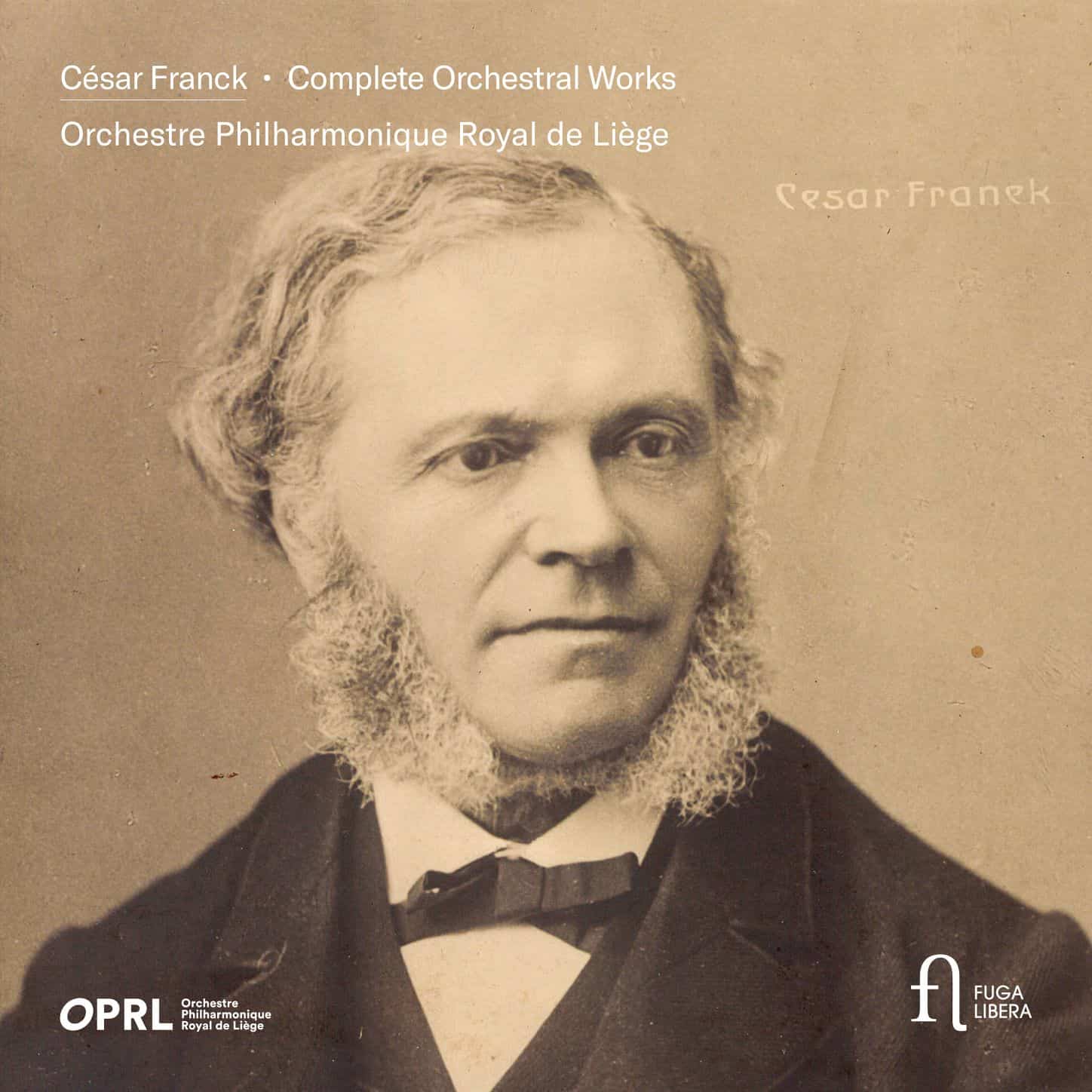
César Franck
Complete Orchestral Works
Orchestre Philharmonique Royal de Liège
Christian Arming, Pierre Bleuse, Gergely Madaras, Hervé Niquet, François-Xavier Roth
Florian Noack, Cédric Tiberghien
Chœur de Radio France, Lionel Show
4 CD Fuga Libera
SNAP AWARD
For an excellent Belgian production
Among the numerous integrals released on the occasion of the two-hundredth anniversary of César Franck's birth, this edition devoted to his orchestral work stands out both for the chronological presentation of his oeuvre — Franck was barely twelve years old when he composed his two series of Variations brillantes! — and for the portrait we are offered of the orchestra under a series of different conductors. What is most striking is surely the continuity between — to take just one example — these Variations from Franck's childhood (performed by Florian Noack and Pierre Bleuse) and the Symphonic Variations that the composer wrote half a century later, here brought to life by Cédric Tiberghien and François-Xavier Roth. Franck's ingenuity and surprisingly early mastery win our admiration just as the care with which the current citizens of his birthplace do honor to his genius. (Martine D. Mergeay)
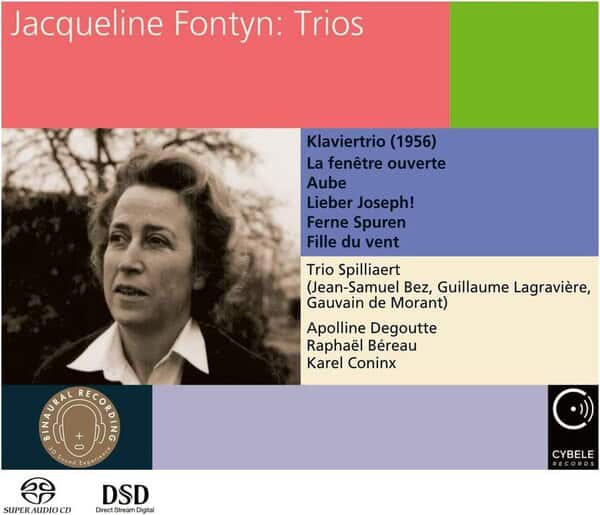
Jacqueline Fontyn
Trios
Trio Spilliaert (Jean-Samuel Bez, Guillaume Lagravière, Gauvain de Morant)
Apolline Degoutte, Raphael Béreau et Karel Coninx
1 CD Cybele
CAREER PRIZE
In an era where brilliant female composers remain conspicuously absent, this cd brings genuine euphoria. The recording invites us to (re)discover Jacqueline Fontyn, with six works spanning 1956 — "last use of classical forms" — and 2013. Trio Spilliaert is here with two piano trios in classical formation (violin, cello, piano) plus three other trios each featuring roles for flute, guitar and viola. The exceptional level of the performers, their commitment, their joy of playing are in the service of music that overflows with imagination. We are dealing here with a completely controlled compositional style that shows both learning and freedom, and can be both concise and light-footed. This perfect and contemporary art finds ideal interpreters. (Martine D. Mergeay)