
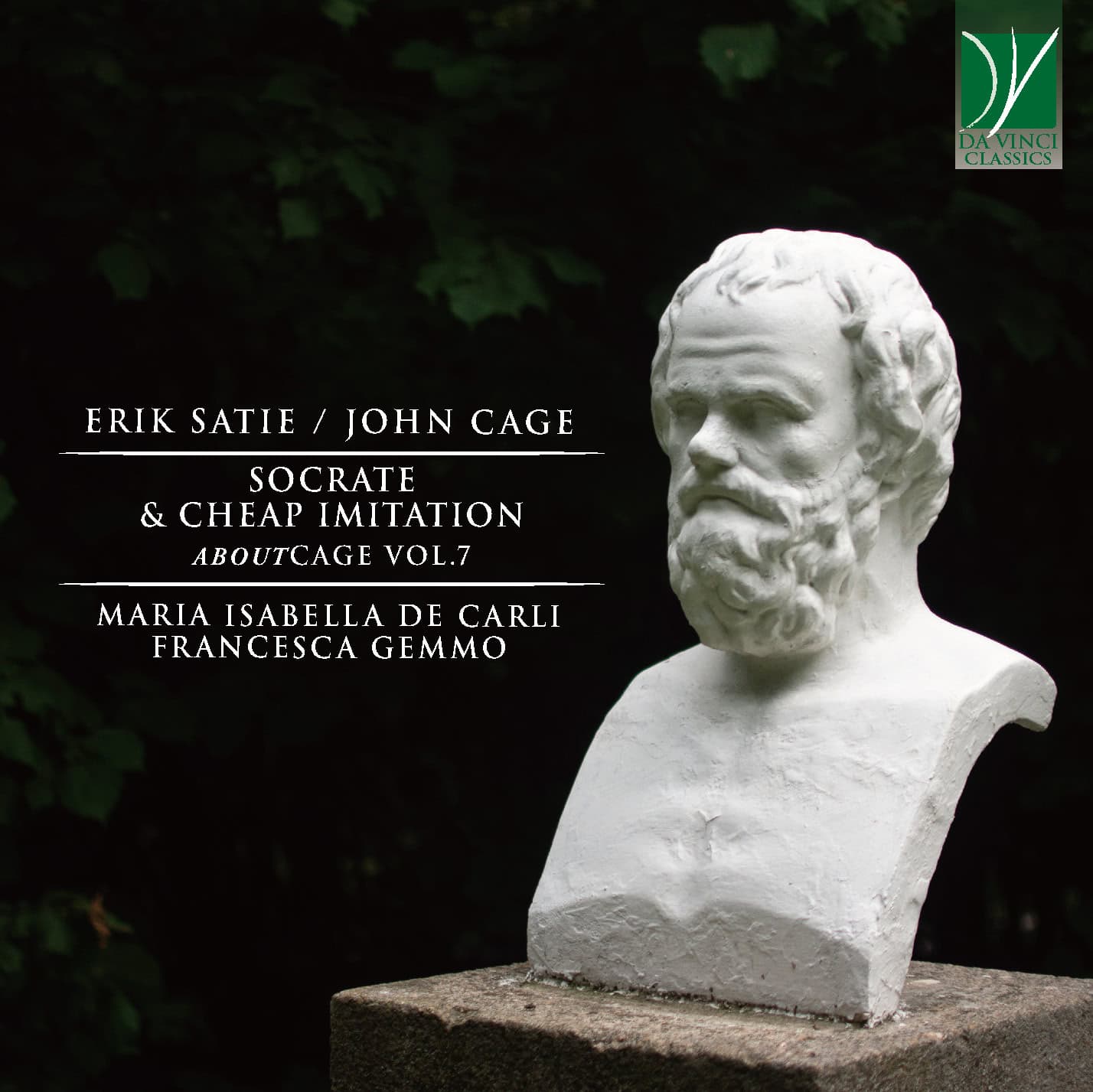
The history of human thought, not only with regard to Western civilization, would look very different without Socrates and Plato. Of course, these two master thinkers belonged to a long line of Greek philosophers, whose thinking they reacted to, accepting some of their propositions and rejecting others. Yet it is impossible to estimate what we owe to Socrates and Plato, but it is certain that it constitutes an essential part of our worldview.
We indeed have not a single line from Socrates; everything we know about him comes from Plato's Dialogues. But since Plato himself was far more than a passive chronicler or an "objective" observer, we can often wonder how much of Plato's "Socrates" comes from Socrates himself, and how much is the result of Plato's reflections on his teacher's speeches.
Yet this remains an unanswered and unanswerable question. What we do have is the magnificent repertoire of Plato's Dialogues, which - like few other works of art - exemplify the power of the word, of the logos, of the dialectical encounter between people that takes place through speech, and how speech influences the forms (or ideas, as Plato would have called them!) of our thinking itself.
This album contains two works by John Cage, both of which are directly or indirectly related to Satie's Socrate. And it is from this composition that we will begin our approach to Cage. Satie and Cage had very much in common: both were iconoclasts, both enjoyed shocking their listeners, both explored the boundaries of silence, both opened new paths for the very concept of music and performance.

*If you make a purchase via the link above, we receive a small commission. This allows us to continue providing you with reviews and articles. By buying something through our link, you support us in writing new articles. Products will never cost you more if you use our links.