
We linger a while longer in the vibrant 16th century with our Franco-Flemish School of polyphony. More specifically with a master from the 3rd generation of polyphonists, the generation before that of Adriaan Willaert. This article focuses on Josquin des Prez (ca.1450-1521). He is one of the most important composers of his generation. Some musicologists even consider Josquin to be the most important composer of the renaissance.
This composer from the County of Hainaut was known for his masterful text setting to music. To be somewhat atypical, this is precisely not what this article focuses on. Instead, a specific practice is highlighted for which the most popular composers of that time were honored: the intabulation practice, or the rewriting of music for tablature.
The intabulation practice is an art that is more than simply rewriting music. The lutenist in question weighs and considers which notes to retain, which to omit and which to embellish. Each lutenist had his own style, adapted the works to his hand and made the compositions his own.
Music through the printing press
An important breakthrough for tablature and the intabulation practice was the year 1507. That year saw the release of the very first printed lute publication, arranged by lutenist Francesco Spinacino (fl. 1507). This publication became a milestone in music history. It is the first printed publication with instrumental works and contains the first playing instructions for lute ("Rules for those who cannot sing"). Printed publications were cheaper than manuscripts. The price, larger editions and playing instructions opened doors for a possible new playing audience.
The art of music printing was still in its infancy (the generally accepted birth date is May 15, 1501 with Petrucci's publication Harmonice Musices Odhecaton) and maintaining a printing press was a risky and expensive affair. Ottaviano Petrucci (1466-1539) therefore chose popular repertoire and Josquin's music was the perfect candidate for this. Petrucci had already published two of Josquin's masses (in 1502 and 1505, which went into reprint several times) but also in this first lute publication there are no fewer than five of Josquin's compositions. A clear manifestation that the music of this Franco-Flemish polyphonist was to the taste of many. Then and now…
Josquin intabulations
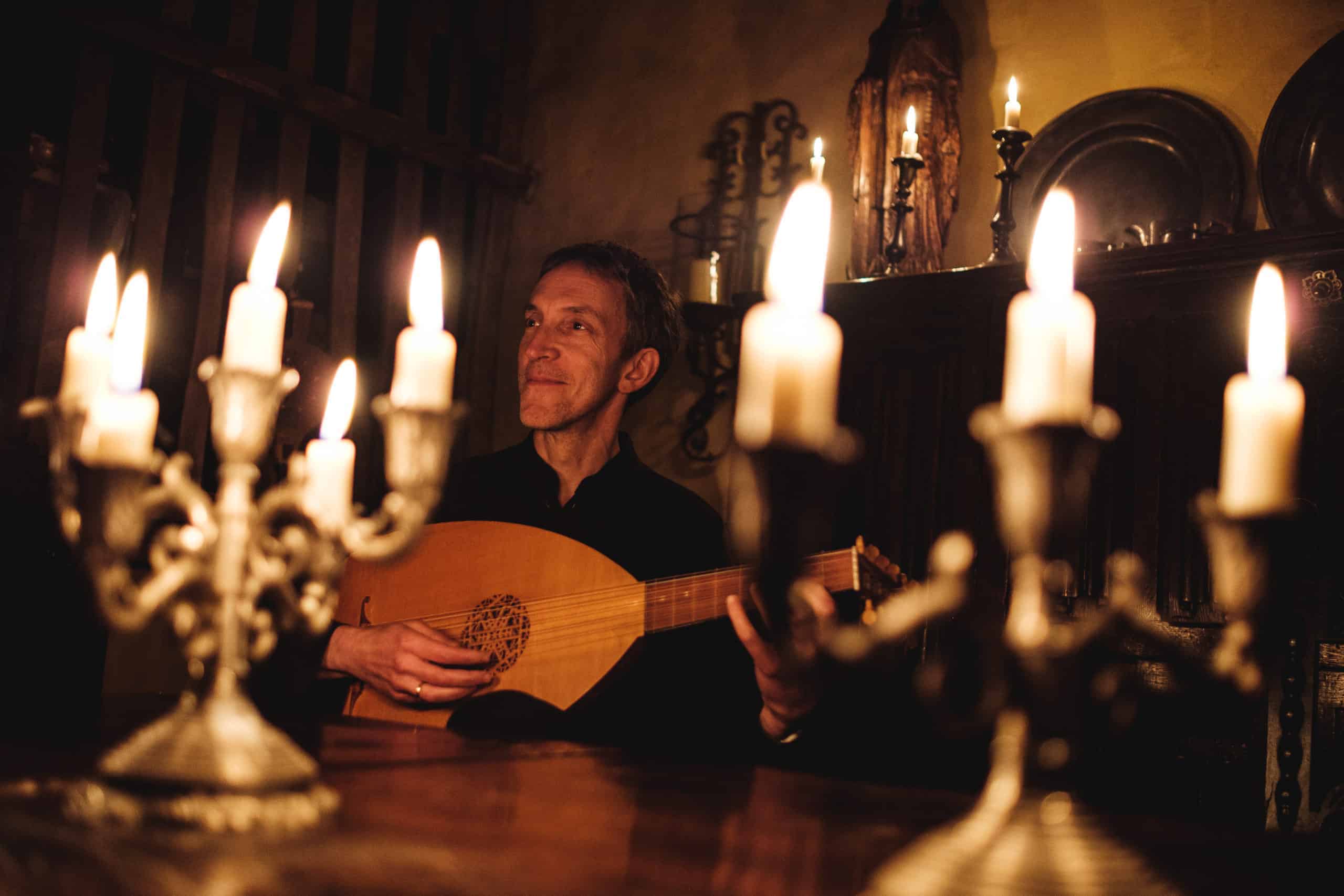
[caption id="attachment_28207" align="alignleft" width="188"]
 © Dominika Alkhodari[/caption]
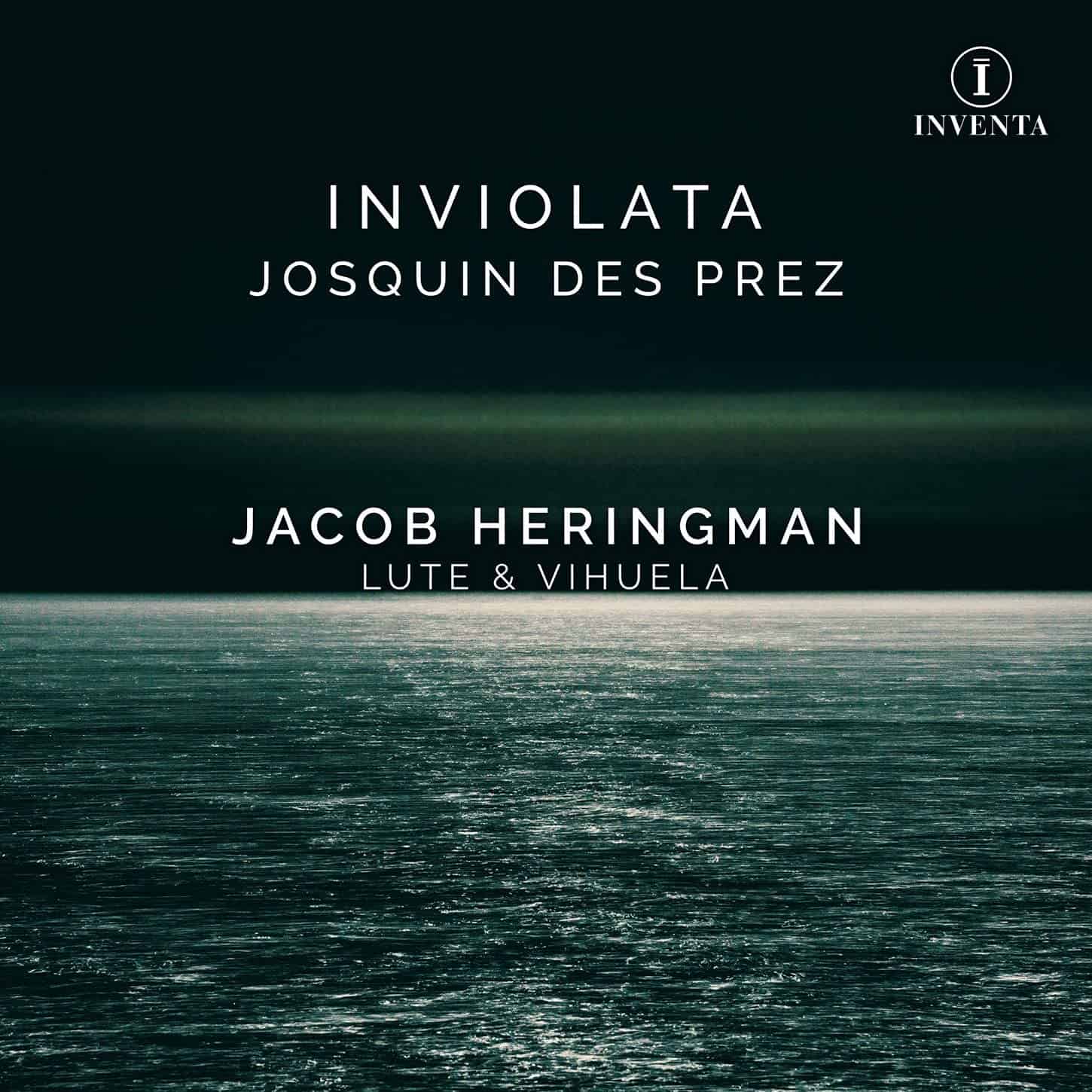
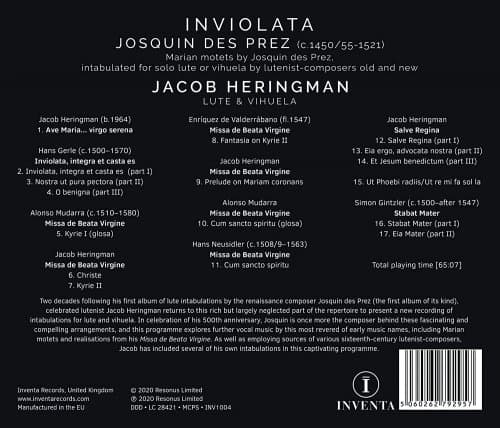
In anticipation of 2021 in honor of 500 years of Josquin des Prez, an excellent CD with lute intabulations appeared on the market: Inviolata by Jacob Heringman. Not Spinacino but a combination of contemporaries and Heringman's own intabulations are on the programme. The first work is the motet Ave Maria, gratia plena, Dominus tecum, Virgo serena arranged by Heringman. In this intabulation, all four voices have been preserved and the music retains its distinctive character. Heringman treats this religious work with measured sobriety. Elaborate embellishments are absent. Tastefully, tension is built up through the contrasting sections, so that you remain fascinated for almost nine minutes listening to what follows.
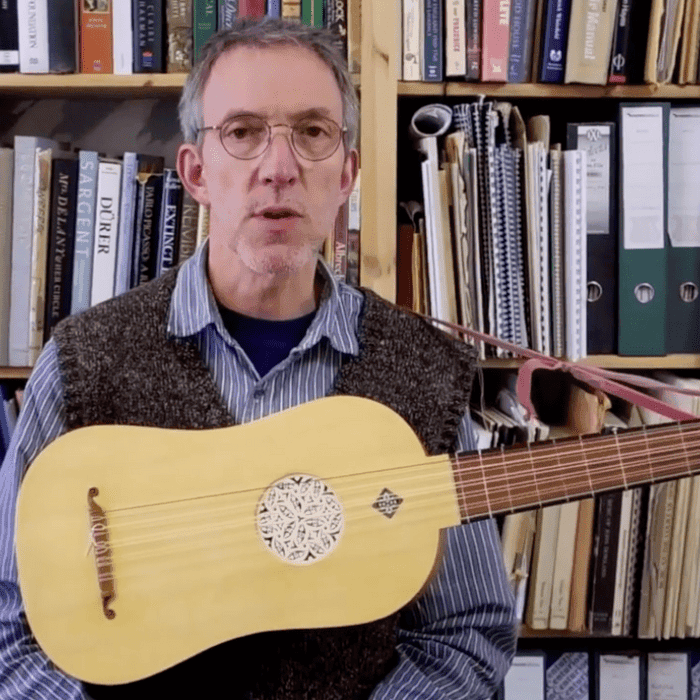 The advantage of tablature is nicely illustrated on this CD. If an instrument is tuned in the same way, it can also play it. This applies to lute and vihuela de mano. The difference between the two instruments emerges here subtly through their timbre (thanks to the different shape of their soundbox).
The first track with vihuela is number 5. This is a remarkable intabulation of Josquin's Missa de Beate Virgine by Alonso Mudarra (ca.1510-1580). This work can be divided into two parts: the "Kyrie I" and a "glosa". In the first part, Mudarra stays as close as possible to Josquin's original, while in the second part Mudarra takes more freedom and incorporates his own material. In this one work, then, different intabulation approaches are combined.
As a contrast to the Italian intabulation style, Heringman also performs an arrangement of Cum sancto spiritu (track 11) by Hans Neusidler (ca.1508/9-1563). In broad strokes, this work stays close to the original but virtuosic passages with faster notes also find their place in this tablature. The end of this work, and thus this CD, is typically German with extra ornamentation on a repeated final chord.
With this CD, Jacob Heringman illustrates the art of intabulation. He explores different styles and approaches, subtly highlights flexible instrumentation and brings the tradition literally back to life with his own intabulations. He builds this bridge between past and present through the impressive and unique repertoire of polyphonist Josquin des Prez that continues to captivate. Then and now.
3.7/5
WHO: Jacob Heringman [lute & vihuela]
WHAT: Josquin des Prez: Inviolata
RELEASES: Inventa INV1004
ORDER: JPC