
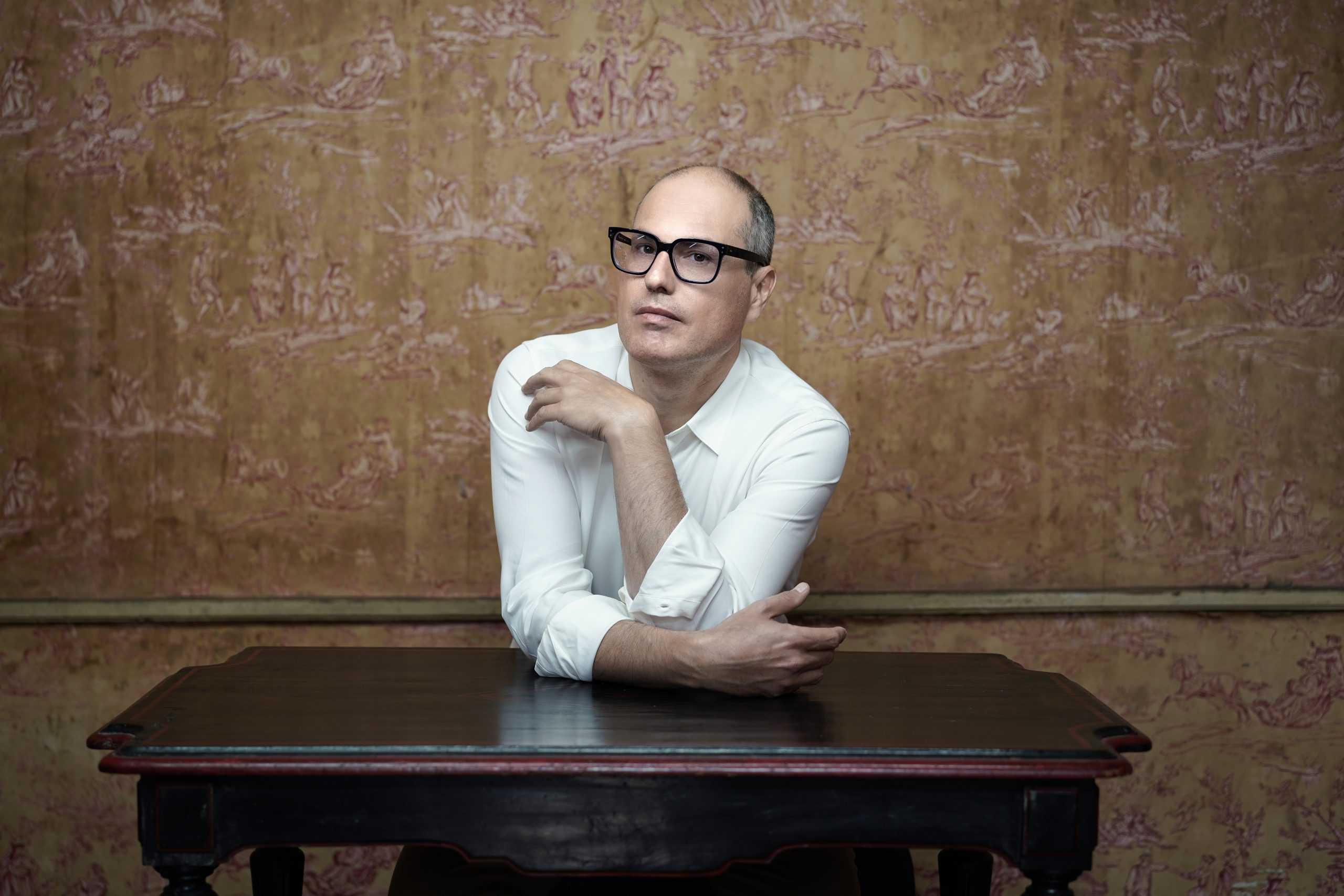
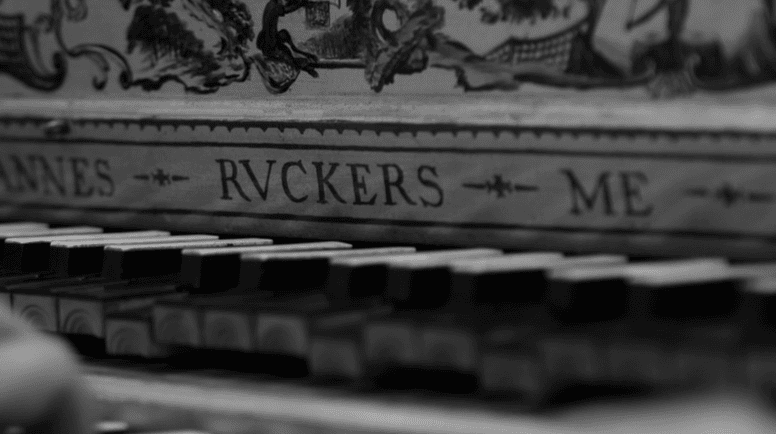
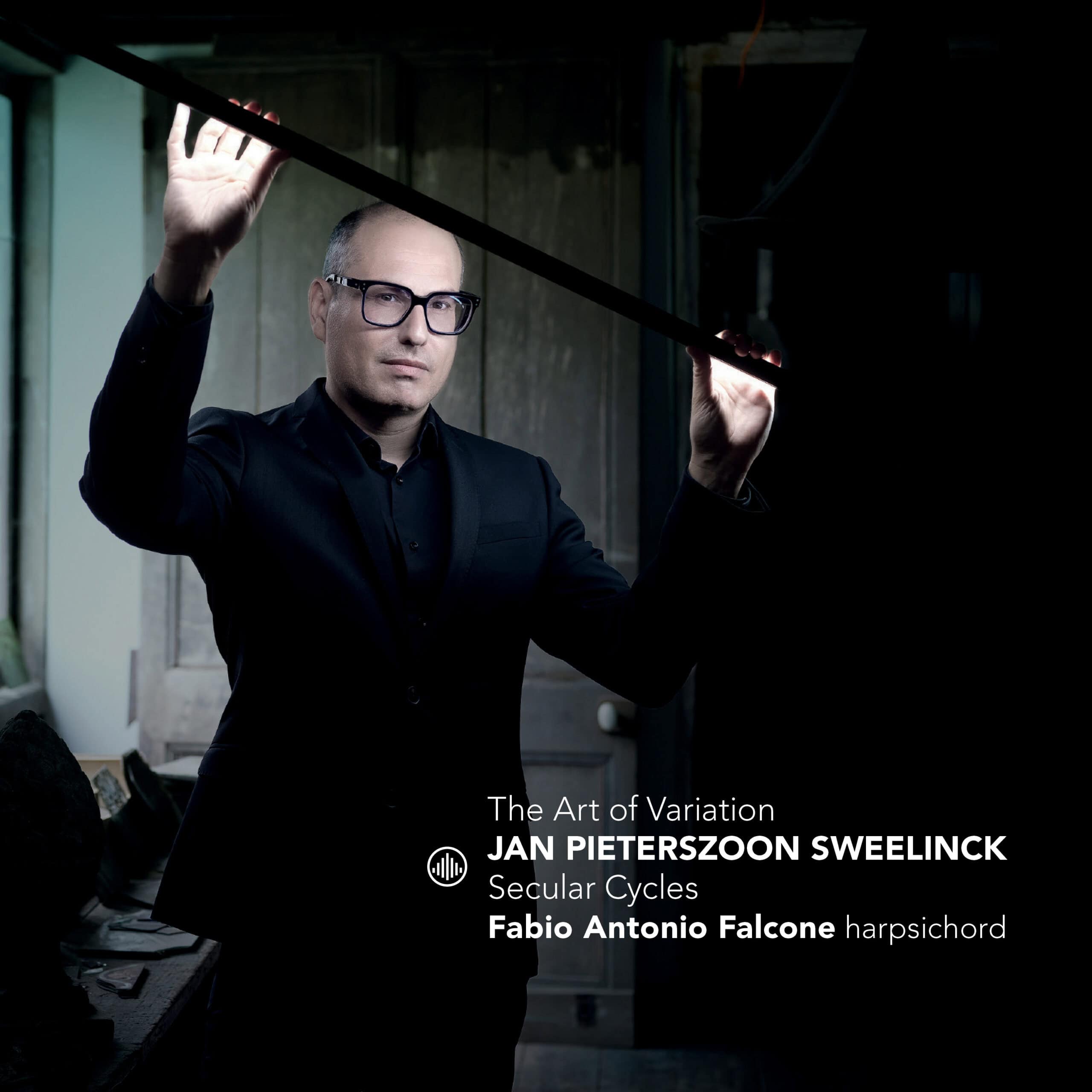
The Dutch record label Challenge Classics releases the music of compatriot Jan Pieterszoon Sweelinck (1561-1621) on cd. Harpsichordist Fabio Antonio Falcone performs the secular variation cycles of this master. The album Sweelinck klavierwerken — "The Art of Variation" brings variations on songs and dances performed on a Johannes Ruckers (1632/1745). With attention to timbre, Falcone brings this repertoire back to life on the harpsichord.
Although no originals of Sweelinck's keyboard music have survived, his repertoire is a musical treasure. His music bears witness to several turning points: such as the emergence of Protestant religious music, the revaluation of secular music and the further emancipation of keyboard music. But what distinguished this Dutch master from his contemporaries?
The Golden Age and Jan Pieterszoon Sweelinck
Jan Pieterszoon Sweelinck is often seen by musicologists as the pinnacle of Dutch music in the Golden Age (1570-1700). With the flourishing of religious music, the growing popularity of secular music and the rise of carillon music, this was a very fertile period for composers from the Low Countries. In the Southern Netherlands, the English composer Peter Philips (1560-1633) was one of the musical masters and in the North, Sweelinck was the great household name.
Religious music played a major role in the development of Sweelinck's musical evolution. He was one of the first composers after the Reformation to compose Calvinist music. His early works correspond with the sober instrumentation that Calvin prescribed. These were single-voice compositions for the congregation with simple organ accompaniment for support. For other types of music, specially organized concerts were provided. Sweelinck regularly composed music for these concerts. These works are often referred to as æmulatio and are mainly religious works. Some of these compositions have a secular basis. An innovation of the Golden Age that would continue to reappear in later works such as his keyboard variations.
After his Venetian study trip, Sweelinck built a reputation that earned him the nickname "Amsterdam Orpheus". He was known at home and abroad. Sweelinck began as a composer of vocal, religious music but also built an international reputation as a pedagogue and as a brilliant keyboard improviser.
Variation cycles on keyboard
Sweelinck only began composing more for keyboard after he had already made a name for himself as a vocal composer. Using counterpoint and rules from polyphony, he developed a keyboard style that was unique. Sweelinck also blended his style with influences from Italian virtuoso harpsichordists, the art of English virginalists and Spanish organ style.
This diversity and the unique character of Sweelinck's style is central to Fabio Antonio Falcone's cd. The earliest collection 13 Chorale Variations is skipped by the harpsichordist and he immediately focuses on the later works. He opens with the variation cycle Ballo del granduca [track 01]. This first track immediately highlights an important aspect of Sweelinck's variation. Namely his love for popular secular influences: dance structures. The titles ballo, pavane and allemande immediately reveal the link with the similarly named dances. But other works also use dances as a model for structure. For example, Solo es sein [track 07] is based on a Polish dance. While "Onder enn linde groen" [track 04] and "Est-ce Mars?" [track 09] — two variations from 8 Variation Cycles on Secular Songs — are both characterized by an allemande structure.
Falcone is a master of the harpsichord. He proves this again with this cd. With his specialization in Renaissance and early Baroque repertoire, the keyboard legend Jan Pieterszoon Sweelinck is a perfect match for Falcone. It is a body of work that is less virtuosic than his beloved Italian repertoire but where a clear structure is crucial. And this Falcone does very elegantly. With an eye for color and contrast, he breathes new life into Sweelinck's secular variations. And Falcone fully masters the timbre of the chosen Johannes Ruckers instrument.
3.5/5
- WHO: Fabio Antonio Falcone [harpsichord]
- WHAT: Sweelinck klavierwerken — "The Art of Variation"
- LABEL: Challenge Classics CC72926
- ORDER: JPC