
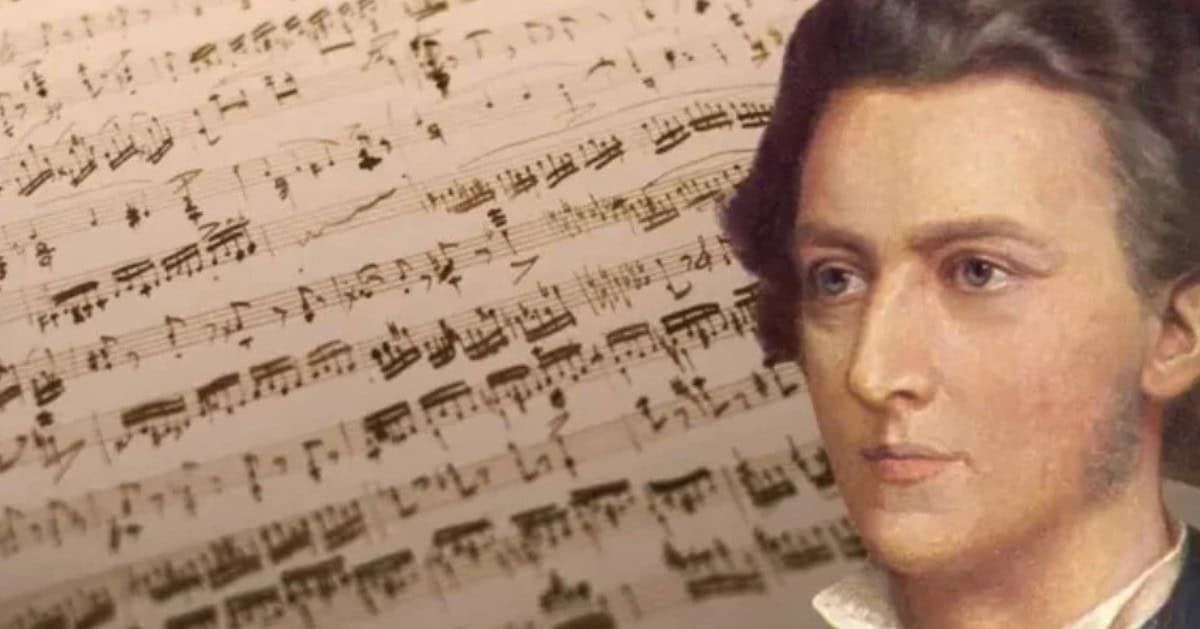
A remarkable discovery at the Morgan Library & Museum in New York has sent shockwaves through the classical music world: a previously unknown waltz by Frédéric Chopin has been found in the museum's vault. The manuscript, dating from the period 1830-1835, is the first major Chopin manuscript discovered in more than half a century.
Chance discovery
Curator Robinson McClellan stumbled upon the manuscript while sorting through cultural memorabilia. Among postcards signed by Picasso and letters from Brahms and Tsjaikovski, he found an intriguing document with the words 'Valse Chopin'. McClellan, himself a composer, photographed the manuscript and played it at home on a digital piano.
Authenticity question resolved
After thorough examination, the Morgan Library & Museum has confirmed the authenticity of the work. The paper and ink are consistent with what Chopin used during that period. The characteristic handwriting elements, such as Chopin's atypical bass clef, are distinctive of the composer.
The work is remarkably short - only 48 measures including repetition, approximately 80 seconds of playing time - and is in A minor. Striking is the unusual opening, which builds directly toward a fortissimo passage.
Context of creation
The manuscript dates from Chopin's early twenties, a turbulent period in which he left Poland and settled in Paris. The composer regularly gave intimate salon concerts for a select audience of aristocrats, bankers, and artists - called "the church of Chopin" by Franz Liszt. At these occasions, admirers sometimes requested small compositions as gifts.
Lang Lang's premiere
Chinese master pianist Lang Lang had the honor of performing the work for the first time. "This is not Chopin's most complicated music," he tells The New York Times, "but it is one of the most authentic Chopin styles you can imagine." Lang Lang sees in the restless opening a reflection of the harsh Polish winters.
Historical significance
This discovery is of great importance to the music world. Although Chopin is estimated to have written 28 waltzes, only eight were published during his lifetime and nine after his death. The rest were lost or destroyed. This finding sheds new light on Chopin's early years as a composer and his development of the waltz as a serious art form.