
La Romance Française
Werner van Mechelen, Inge Spinette
- Label
- Phaedra
- Catalogue number
- PH 292025
- EAN / barcode
- 5412327292252
- Release date
- 22 December 2010
La Romance française One of the many meanings of the term romance is that of a type of French song. Its beginnings go back to the first half of the th century, when romance denoted a strophic poem telling an ancient love story. Settings of these romances, which appeared around , were typically simple melodies for a solo voice and equally simple accompaniments entrusted to the harpsichord, the harp or the piano (the latter soon becoming the instrument of choice), whose charm lay in their elegant lyricism. The genre became highly successful and fashionable in the French salons — queen Marie-Antoinette is credited with a romance, and the Dutch queen Hortense de Beauharnais definitely wrote one. Given its very basic nature, many late th–early th century romances are highly forgettable sentimental mush. But the genre as a whole should not be forgotten. Some romances are delightful and charming in themselves when sung well, without affectation, without operatic tricks like portamento, and with natural and clear diction. In addition, romances found their way into operas — Daniel-François-Esprit Auber (–), e.g., who started out as a composer of romances, never abandoned the genre altogether and incorporated many romances into his operas. And from on, the romance became more sophisticated. Hippolyte Monpou (–) was the first to set great poetry, by the likes of Lamartine, Hugo and de Musset, and to infuse his romances with a rhythmic vitality hitherto unknown. Louis Niedermeyer (–), besides writing simple, strophic-style romances, also wrote Le lac, in which lyricism alternates with declamatory drama. And in his settings of translations of Thomas Moore’s, Neuf Mélodies (; also published as Irlande) Hector Berlioz (–) completed the transformation of the romance into the French mélodie. But romances continued to be written after . Many of these show the influence of Franz Schubert (–), some of whose songs became known in France from about on. His influence was strongest on the accompaniments of these later romances; their melodic lines remained decidedly French. From on, the distinction between romance and mélodie becomes blurred beyond recognition. But it can be argued that the lyrical charm of the old romances can still be found in the most sophisticated French mélodies.
Also on Phaedra

In Flanders' Fields Vol. 99 - Six Suites for Harpsichord
Jan Devlieger
Phaedra
·
2018
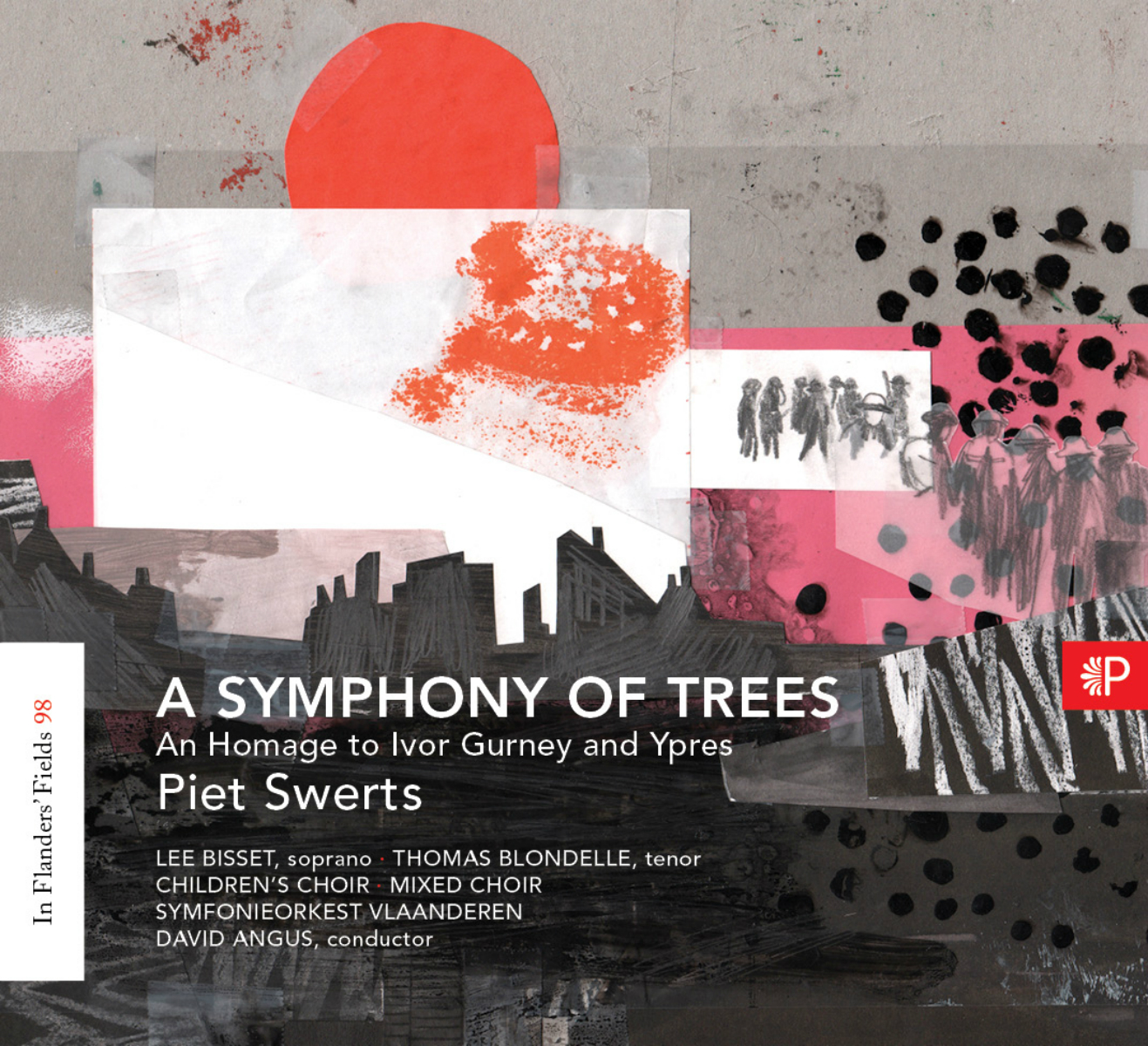
In Flanders' Fields Vol. 98 - A Symphony of Trees
Piet Swerts
Phaedra
·
2018
·
2 CDs
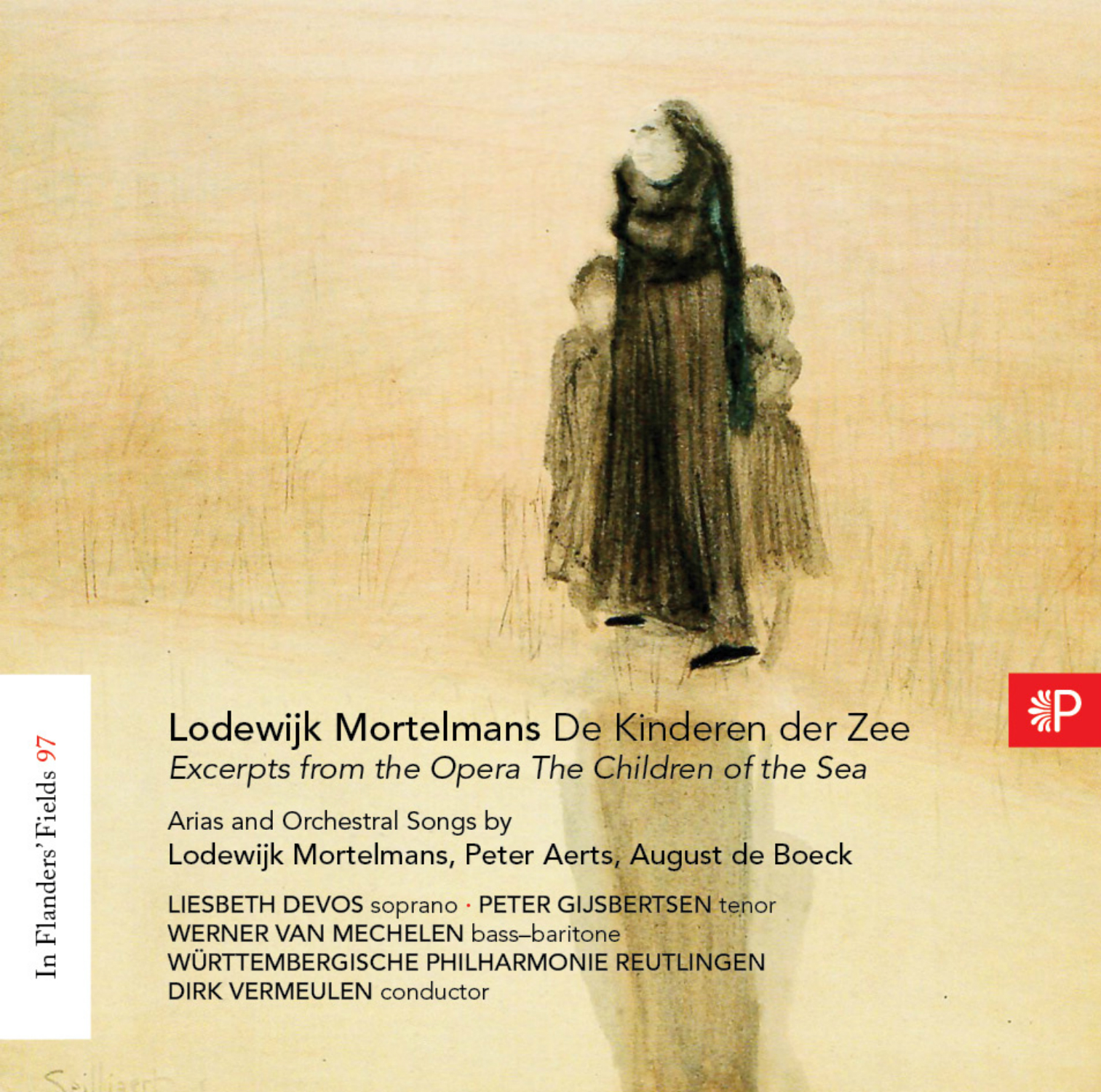
In Flanders' Fields Vol. 97 - The Children of the Sea
Liesbeth Devos, Peter Gijsbertsen, Werner van Mechelen
Phaedra
·
2017
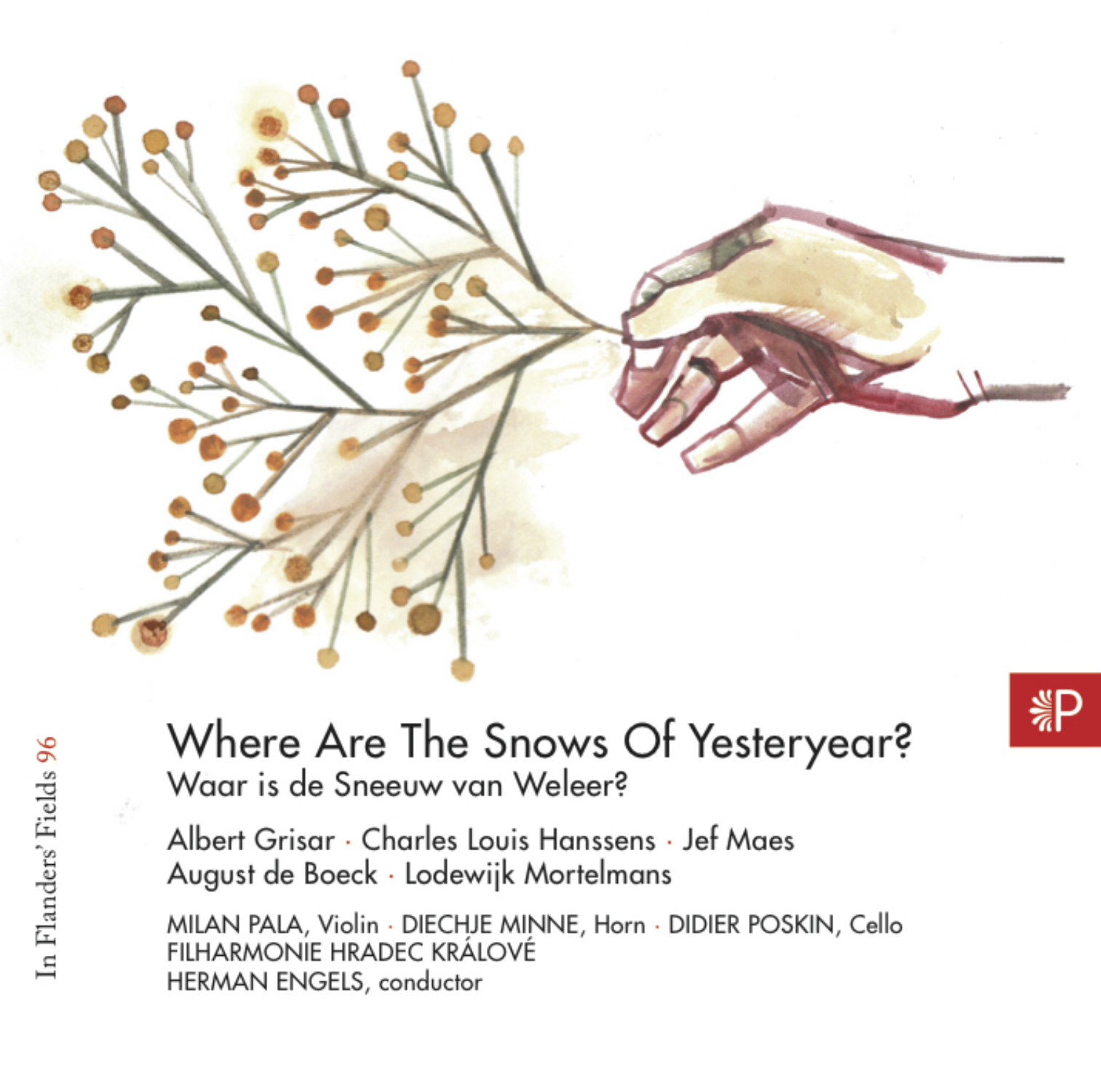
In Flanders' Fields Vol. 96 - Where Are The Snows Of Yesterday?
Herman Engels, Milan Pala
Phaedra
·
2017