
Flemish Baroque Treasures Unveiled
Utopia & Euterpe Baroque Consort
- Label
- Phaedra
- Numéro de catalogue
- PH 92093
- EAN / code-barres
- 5412327920933
- Date de sortie
- 20 octobre 2016
Willem Gommaar Kennis and Christoffel Drymans, chapel masters of St Gummarus Church in Lier Willem Gommaar Kennis (Lier, 1717 – Leuven, 1789), already a violinist with the St Gummarus church orchestra at age eleven, was appointed chapel master on 2 March 1742. The preserved appointment deed stipulated that he was expected to teach the choir boys to read and write, to attend church services on a regular basis, to compose music and leave it for free on the singers’ tribune. There are only eight known vocal works, including a Magnificat, a Salve Regina and a Te Deum, which have now been recorded on CD for the first time. The works are kept in the archives of the Antwerp cathedral and come from the estate of Willem Jacobus Josephus Kennis (Leuven, 1768 – Antwerp, 1845), a son from Willem Gommaar’s second marriage. After he left Leuven, where he had succeeded his father as chapel master of the St Peter’s Church from 1789 to 1798, Willem became chapel master of Antwerp cathedral, where he served from 1803 to 1845. · Te Deum – of the 32 verses, three are arranged for four voices and basso continuo: Te Dominum confitemur (tutti and soli), Te ergo quaesumus (duo), Aeterna fac cum sanctis tuis (tutti). · Magnificat – of the 12 verses only the even numbered ones are arranged for five voices and basso continuo: Et exultavit (tutti), Quia fecit (solo), Fecit potentiam (tutti), Esurientes (trio), Sicut locutus (solo), Sicut erat (tutti). · Salve Regina – in this arrangement for five voices, two violins, cello and basso continuo, the following verses are polyphonic: Salve Regina (tutti), Ad te clamamus (solo), Eia ergo (solo and tutti), Et Jesum and O clemens (tutti). At the same time, Willem Gommaar Kennis became well-known as a proficient violinist. Antonius Nollekens, the vicar of St Gummarus Church during Kennis’s time there, notes in his diary that mid-May 1746, Kennis gave a recital for Louis XV, who was staying at the Court of Boechout at the time: ‘Het talent van den heer Kennis werd zo opgezet, dat den koning den violist wilde hooren en hem zijne carosse naar Bouchout liet halen’ (‘Word of Mr Kennis’s talent was such that the king wanted to hear the violinist play and had his carriage fetch him and bring him to Boechout). With the publication, between 1744 and 1749, of three instrumental compositions, Kennis made a name for himself as violin virtuoso and composer: opus 1, six violin sonatas (Liège); opus 2, six trio sonatas for two violins and basso continuo (Brussels); opus 3, six violin sonatas (Leuven). This CD features the First trio sonata, in B-flat major, of opus 2. From 1749 until his death in 1789, Kennis was chapel master of St Peter’s Church in Leuven. The only known compositions by him from that period are instrumental: three collections of six violin duets each and three other collections, of six trio sonatas, six symphonies and six string quartets. On their title pages, Kennis refers to himself as Maître de musique de l’église collégiale de St. Pierre à Louvain. Apparently, his music was greatly appreciated, as several of his collections were also published in Paris and London. The London edition of opus 4 (six violin duets) was for some time even attributed to Johann Christian Bach. The famous English music historian Charles Burney, who had also briefly visited Leuven (late July 1772) on his music travels through the Southern Netherlands, wrote in his diary The Present State of Music in Germany, the Netherlands and United Provinces (London, 1773): ‘M.Kennis is the most remarkable performer on the violin in point of execution, not only of Lovain, but of all this part of the world. The solos he writes for his own instrument and hand, are so difficult, that no one hereabouts attempts them but himself.’ Christoffel Drymans (Leuven, 1738 – Lier, 1797) studied at Leuven university and was ordained as a priest. On 3 June 1763, he was appointed chapel master. During his tenure in Lier (1763 – 1797), the music academy flourished and the music library collection expanded considerably with new works by local and international composers. Of Drymans himself, only six compositions are still held in the church’s archives, including Tria sunt, an anthem for the Office of the Dead (1780), the motet Dixit Dominus (1786) and the extensive Opusculum musicum novem lamentationum, a collection of works to texts of the Old Testament prophet Jeremiah for the Paschal Triduum (Holy Thursday, Good Friday and Holy Saturday). · The first lamentation of Holy Thursday has a subdued character. Its verses are marked with a letter from the Hebrew alphabet: Aleph + Beth (tutti), Daleth (trio), He (duo), the final phrase Jerusalem, convertere ad Dominum Deum tuum (tutti). The name Drymans remains inextricably connected to the history of Lier. He was a passionate historian, who collected and compiled many interesting facts about Lier, “the city on the Nete”. They are kept in the church’s archives. Gilbert Huybens Translation: Isobel Mackie
Aussi chez Phaedra
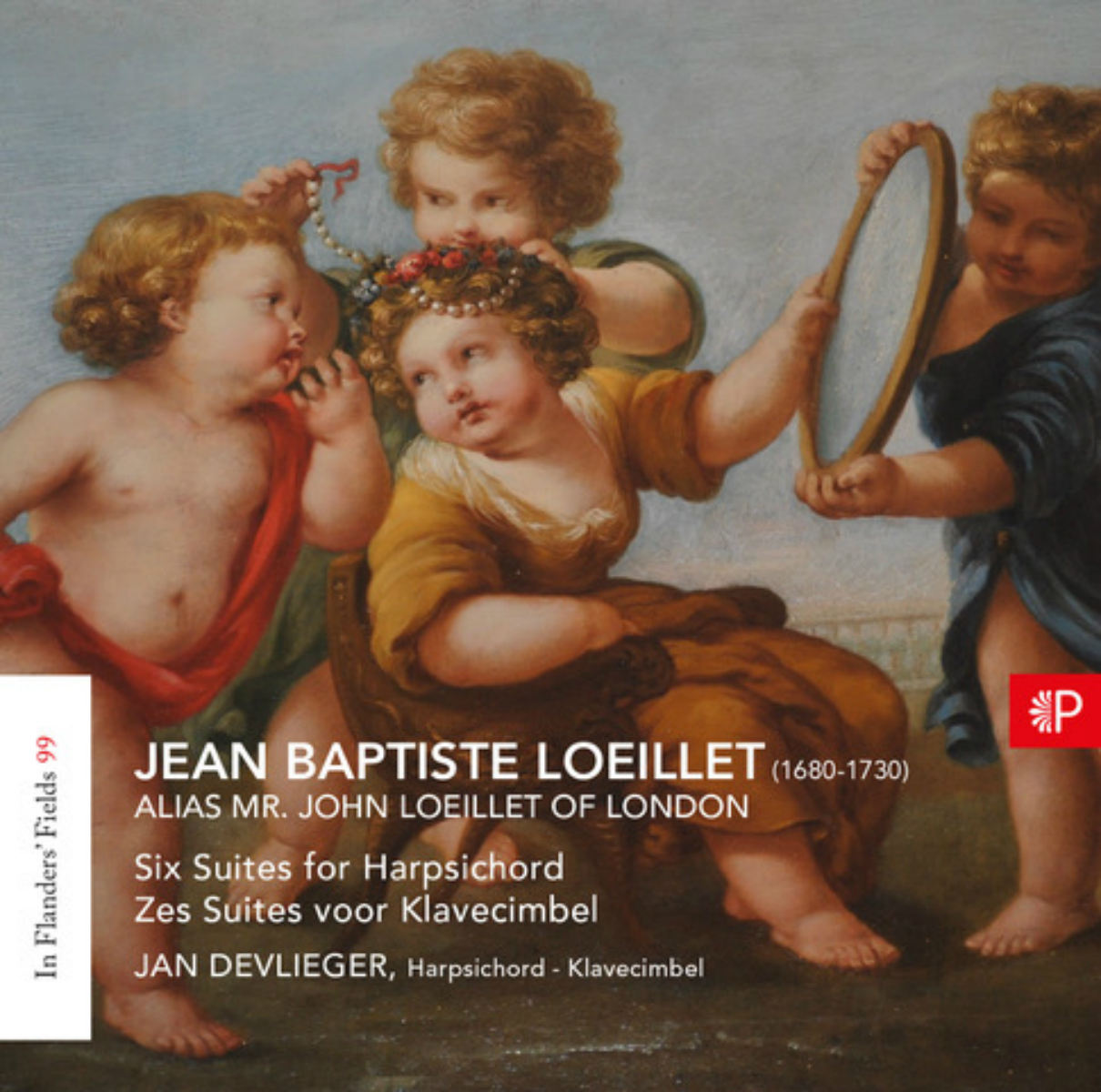
In Flanders' Fields Vol. 99 - Six Suites for Harpsichord
Jan Devlieger
Phaedra
·
2018
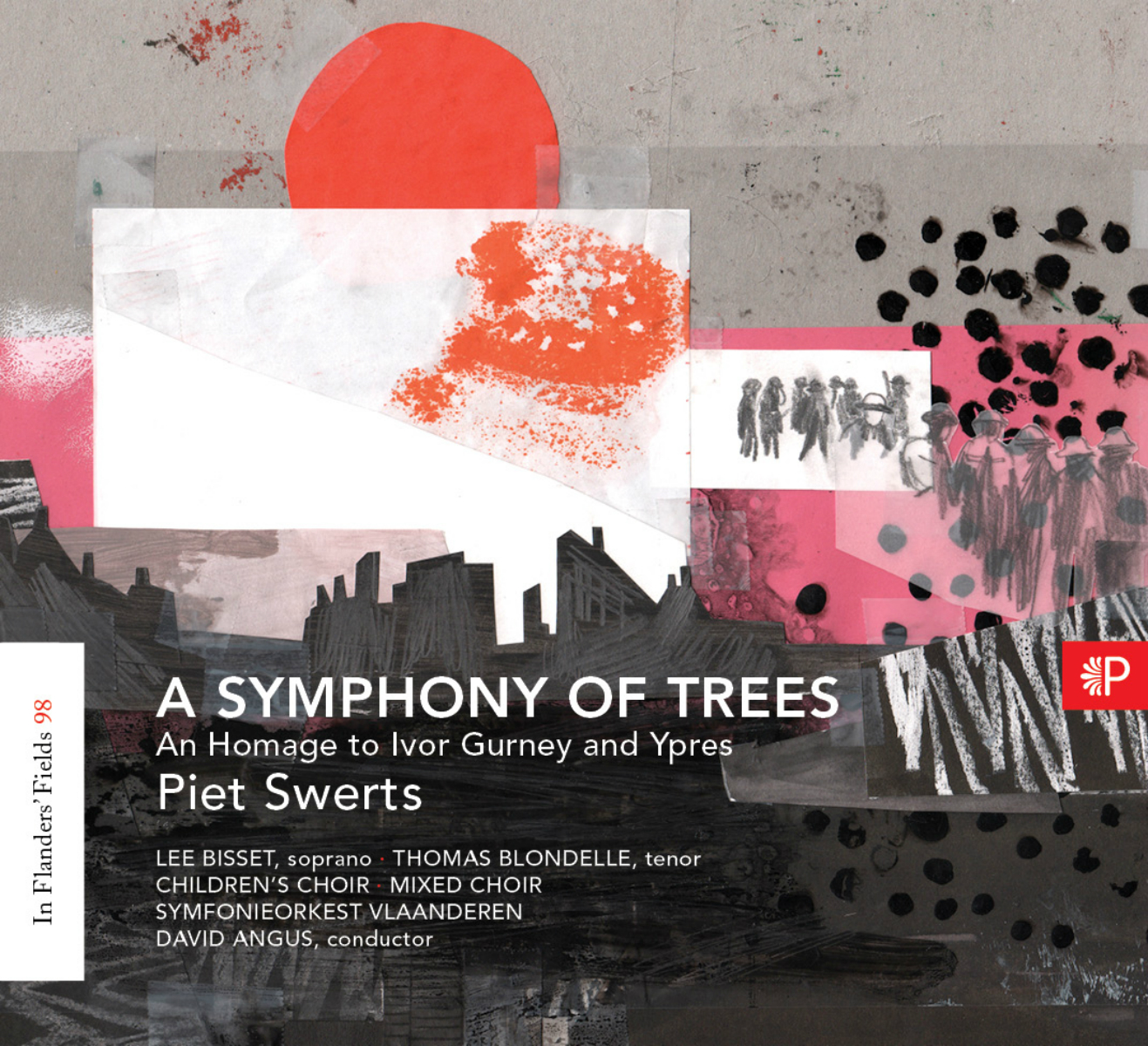
In Flanders' Fields Vol. 98 - A Symphony of Trees
Piet Swerts
Phaedra
·
2018
·
2 CD
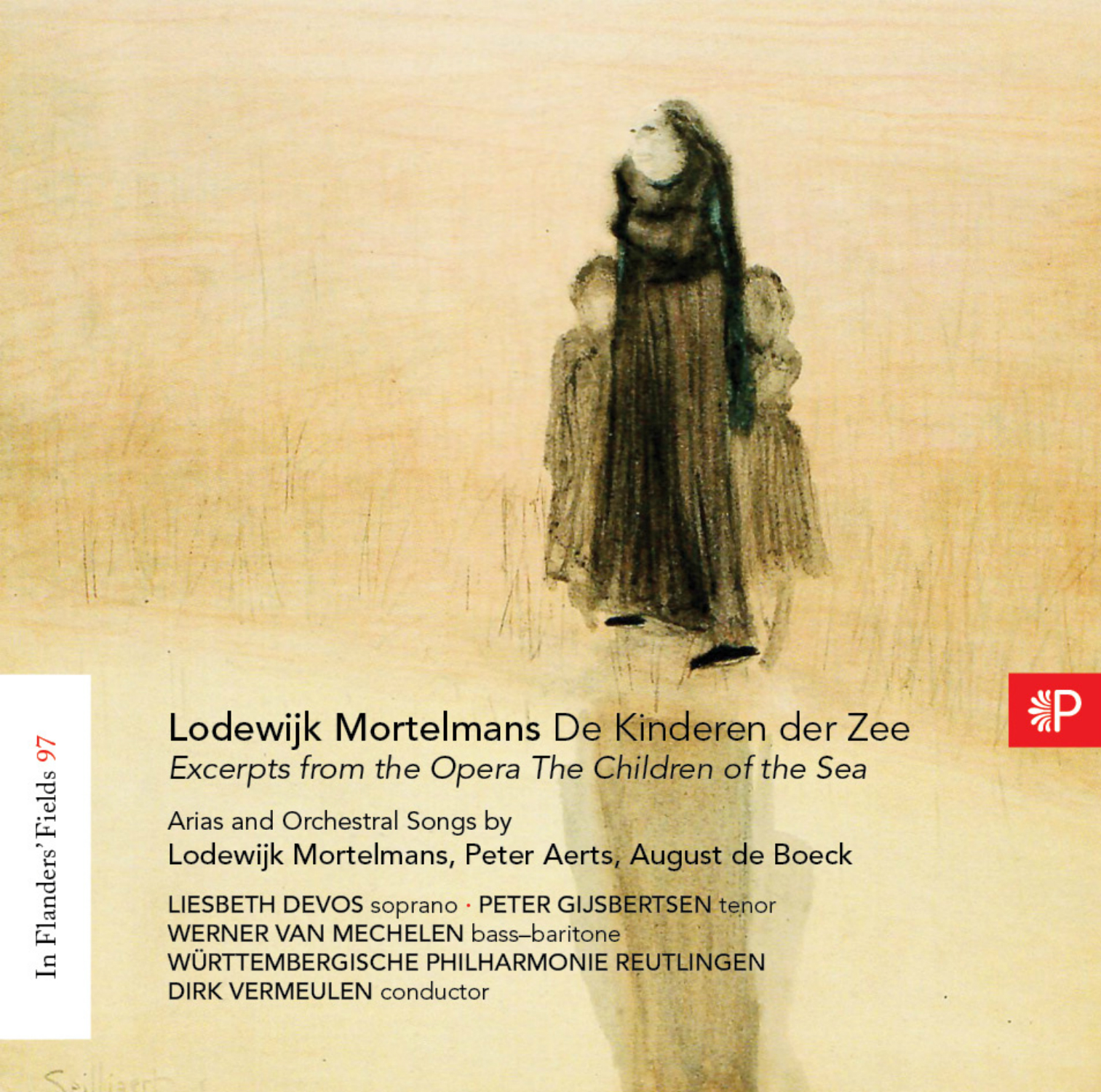
In Flanders' Fields Vol. 97 - The Children of the Sea
Liesbeth Devos, Peter Gijsbertsen, Werner van Mechelen
Phaedra
·
2017
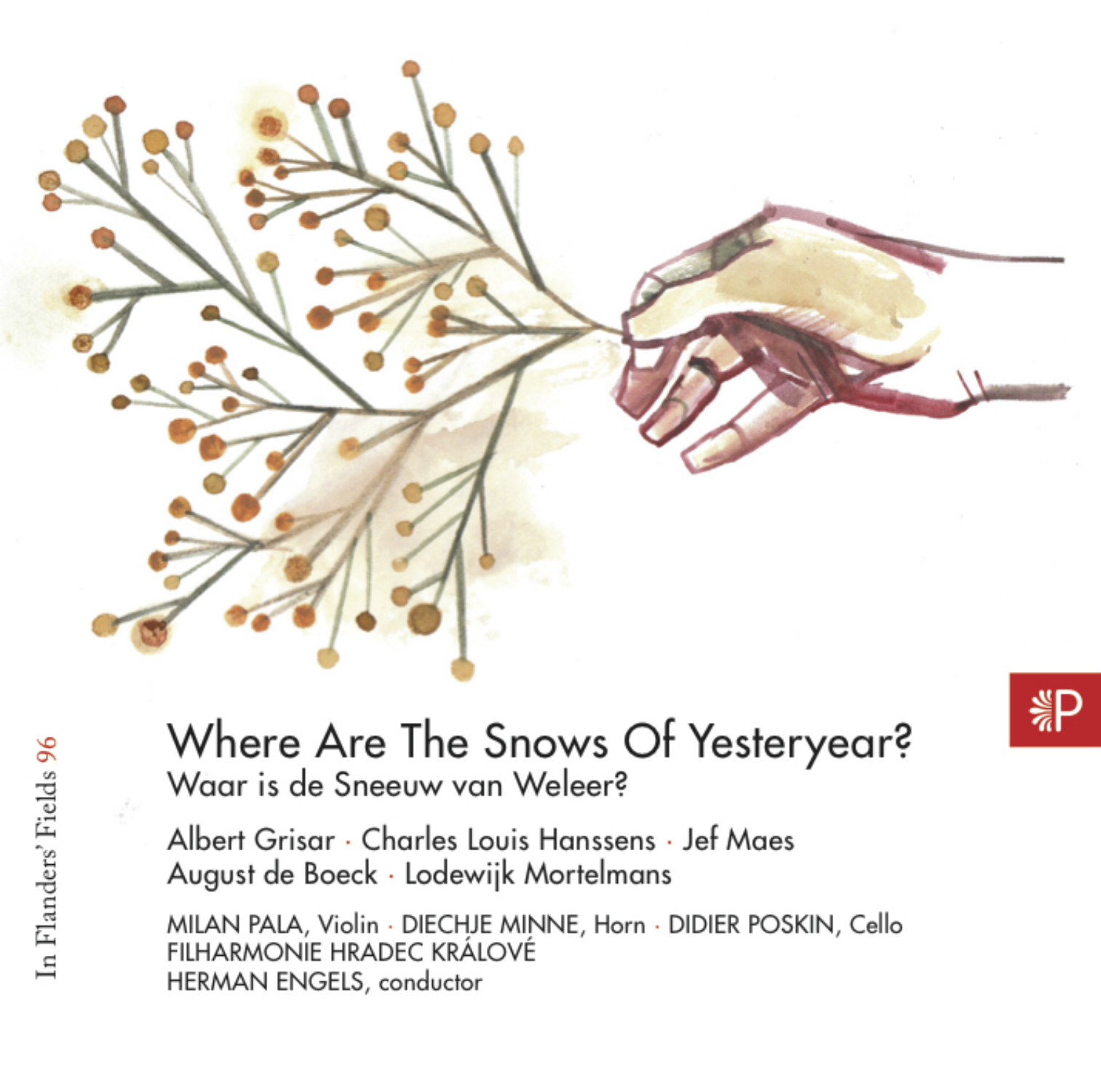
In Flanders' Fields Vol. 96 - Where Are The Snows Of Yesterday?
Herman Engels, Milan Pala
Phaedra
·
2017