
Artist
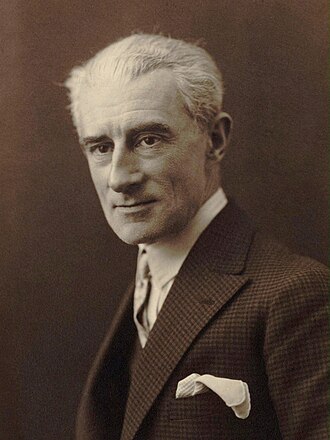
Maurice Ravel
Joseph-Maurice Ravel (Ciboure, 7 March 1875 – Paris, 28 December 1937) was a French composer. He is regarded as one of the foremost composers of the 20th century and, alongside his older compatriot Claude Debussy, as the most important impressionist in classical music (although he rejected that label), and as a precursor/initiator of expressionism.
Maurice Ravel was born in Ciboure, a village near Saint-Jean-de-Luz on the coast of French Basque Country. He was of Basque descent on his mother's side. His father was an engineer who was born in Switzerland, but held French nationality. Still in Ravel's birth year, the family moved to Paris, where his brother Édouard was born in 1878. Ravel received his first piano lessons at age seven and was admitted to the Paris Conservatoire in 1889. He did not complete his piano studies. After his premature departure from the conservatoire, he returned in 1897 to study composition with Gabriel Fauré. During his composition studies, Ravel made several unsuccessful attempts to win the Prix de Rome.
Nevertheless, Ravel began to gain recognition as a composer, initially with piano music and songs and later also with orchestral music. His earlier works include the short opera L'Heure espagnole (1907) and the Rhapsodie espagnole for orchestra (1907/8), both revealing Ravel's fondness for Spain, and the famous Pavane pour une infante défunte (1909).
Maurice Ravel was born in Ciboure, a village near Saint-Jean-de-Luz on the coast of French Basque Country. He was of Basque descent on his mother's side. His father was an engineer who was born in Switzerland, but held French nationality. Still in Ravel's birth year, the family moved to Paris, where his brother Édouard was born in 1878. Ravel received his first piano lessons at age seven and was admitted to the Paris Conservatoire in 1889. He did not complete his piano studies. After his premature departure from the conservatoire, he returned in 1897 to study composition with Gabriel Fauré. During his composition studies, Ravel made several unsuccessful attempts to win the Prix de Rome.
Nevertheless, Ravel began to gain recognition as a composer, initially with piano music and songs and later also with orchestral music. His earlier works include the short opera L'Heure espagnole (1907) and the Rhapsodie espagnole for orchestra (1907/8), both revealing Ravel's fondness for Spain, and the famous Pavane pour une infante défunte (1909).
Upcoming concerts
Full calendar →
On Klassiek Centraal
12 articles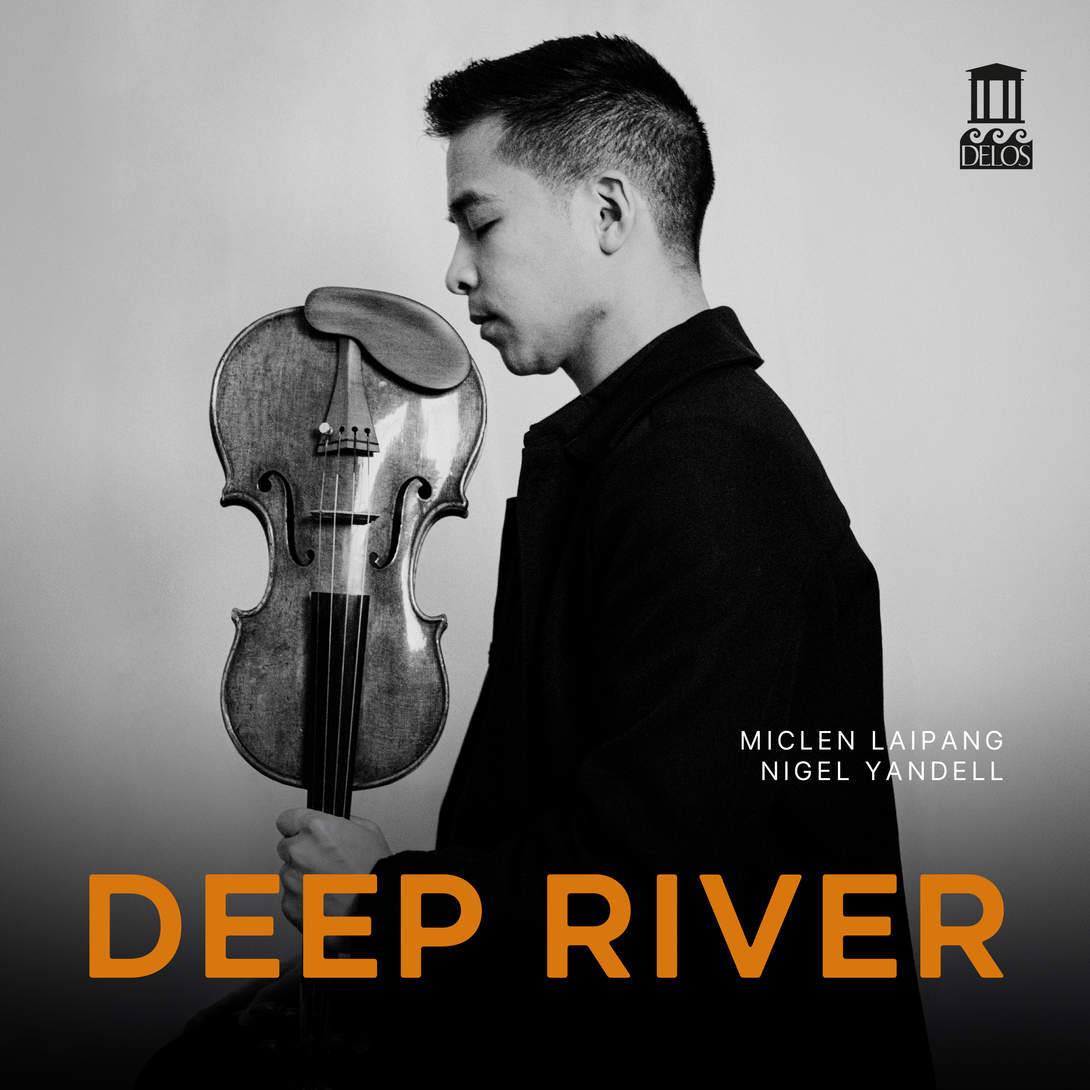
Reviews
Deep River – indringend debuut van Miclen LaiPang bij Delos
Werner De Smet
·
15 Jun. 2026
·
6 min read
Reviews
Als de kaarten kleur bekennen
Werner De Smet
·
19 May 2026
·
7 min read
Reviews
Fortuna wikt en beschikt
Werner De Smet
·
18 May 2026
·
6 min read
Reviews
7de editie Vuurwerk bij Fakkeltheater
Viviane Redant
·
15 Apr. 2026
·
4 min read
Reviews
Britse sprankeling en Russische monumentaliteit in De Singel
Werner De Smet
·
11 Mar. 2026
·
6 min read
Reviews
Conservamus Symphony Orchestra in feeststemming en terecht!
Ludwig van Mechelen
·
22 Feb. 2026
·
4 min read
Reviews
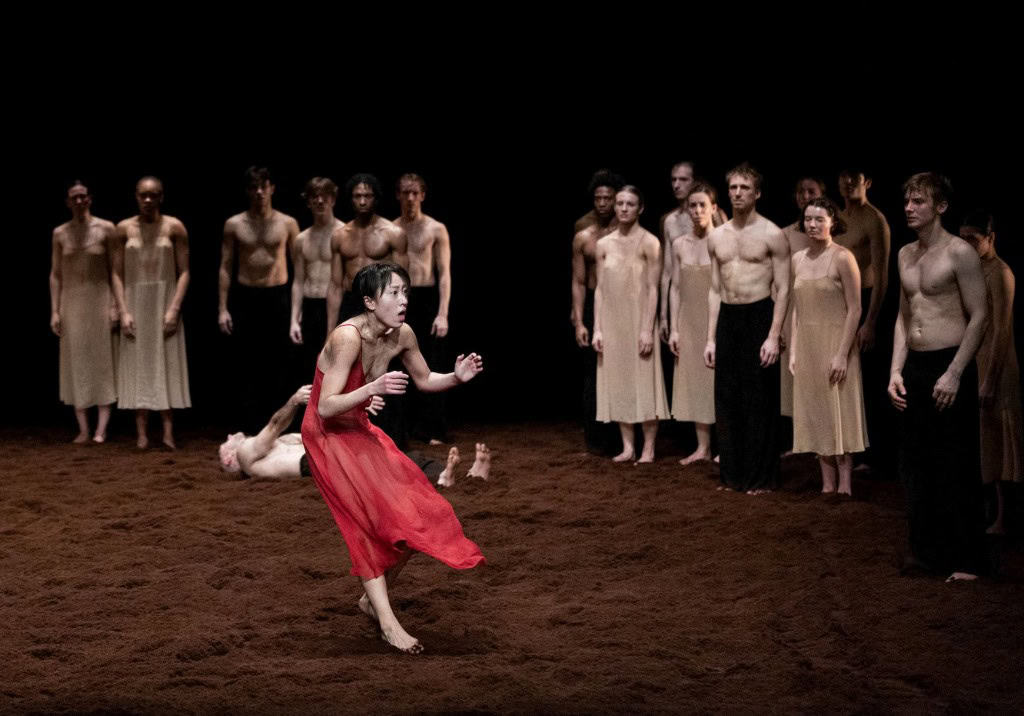
Wereldcreatie ‘Rites’ is magie op de scène bij Opera Ballet Vlaanderen
Viviane Redant
·
20 Jan. 2026
·
8 min read
Reviews
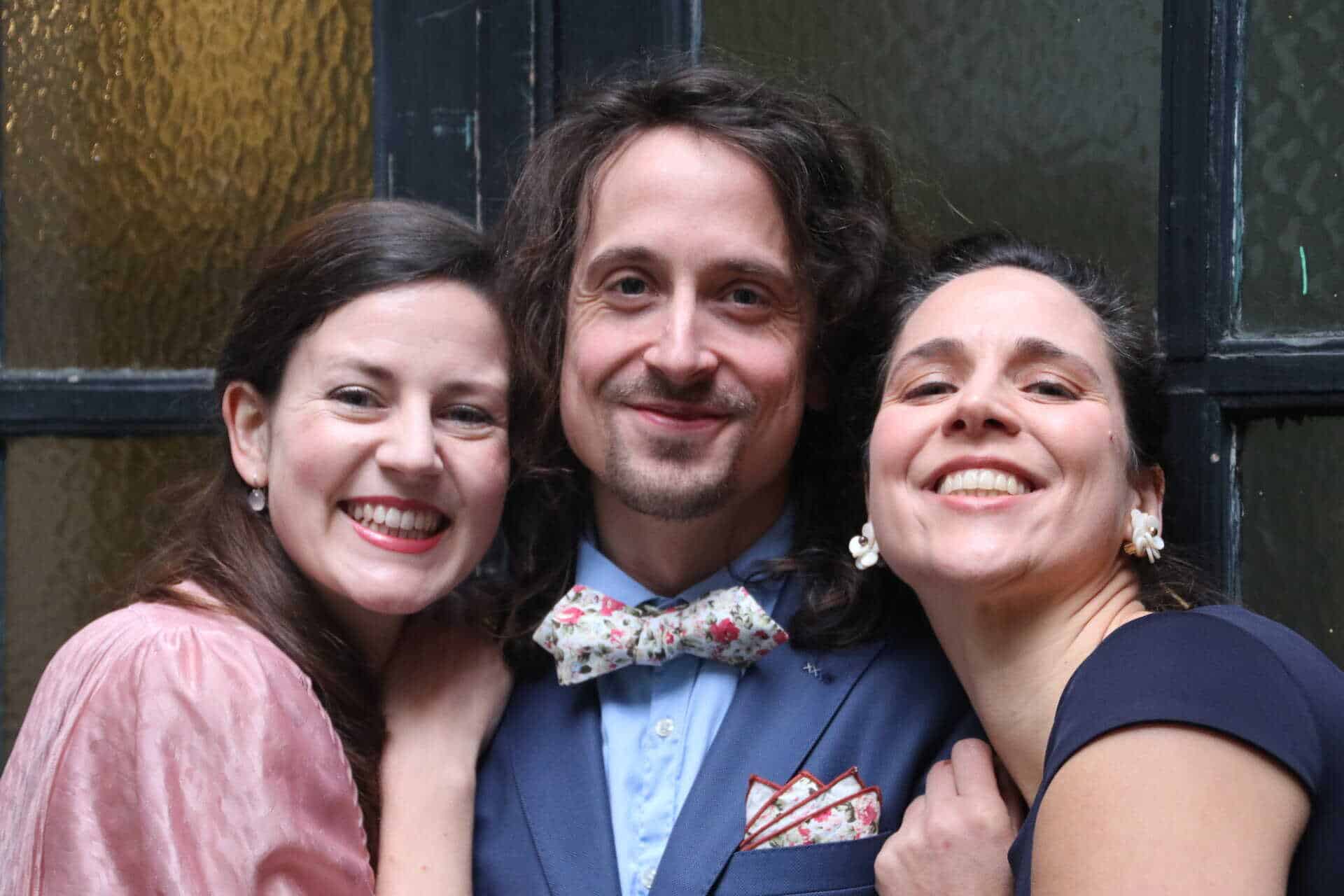
BelLISSAma ‘Get Happy
Viviane Redant
·
17 Jan. 2026
·
6 min read
Reviews
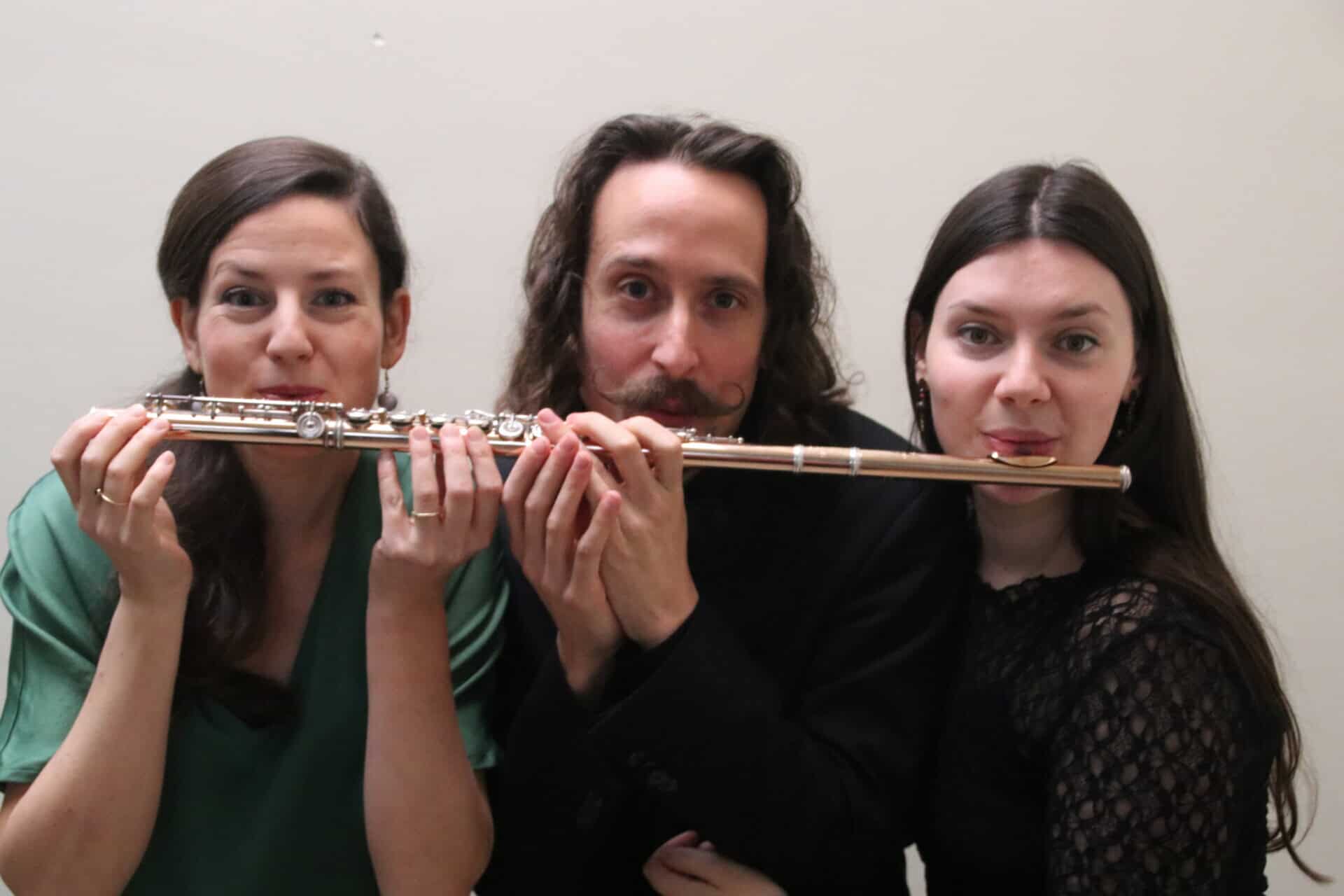
Zondags belcanto & bella musica - BelLISSAma ‘Heidense Nachten’
Viviane Redant
·
18 Dec. 2025
·
4 min read
Reviews
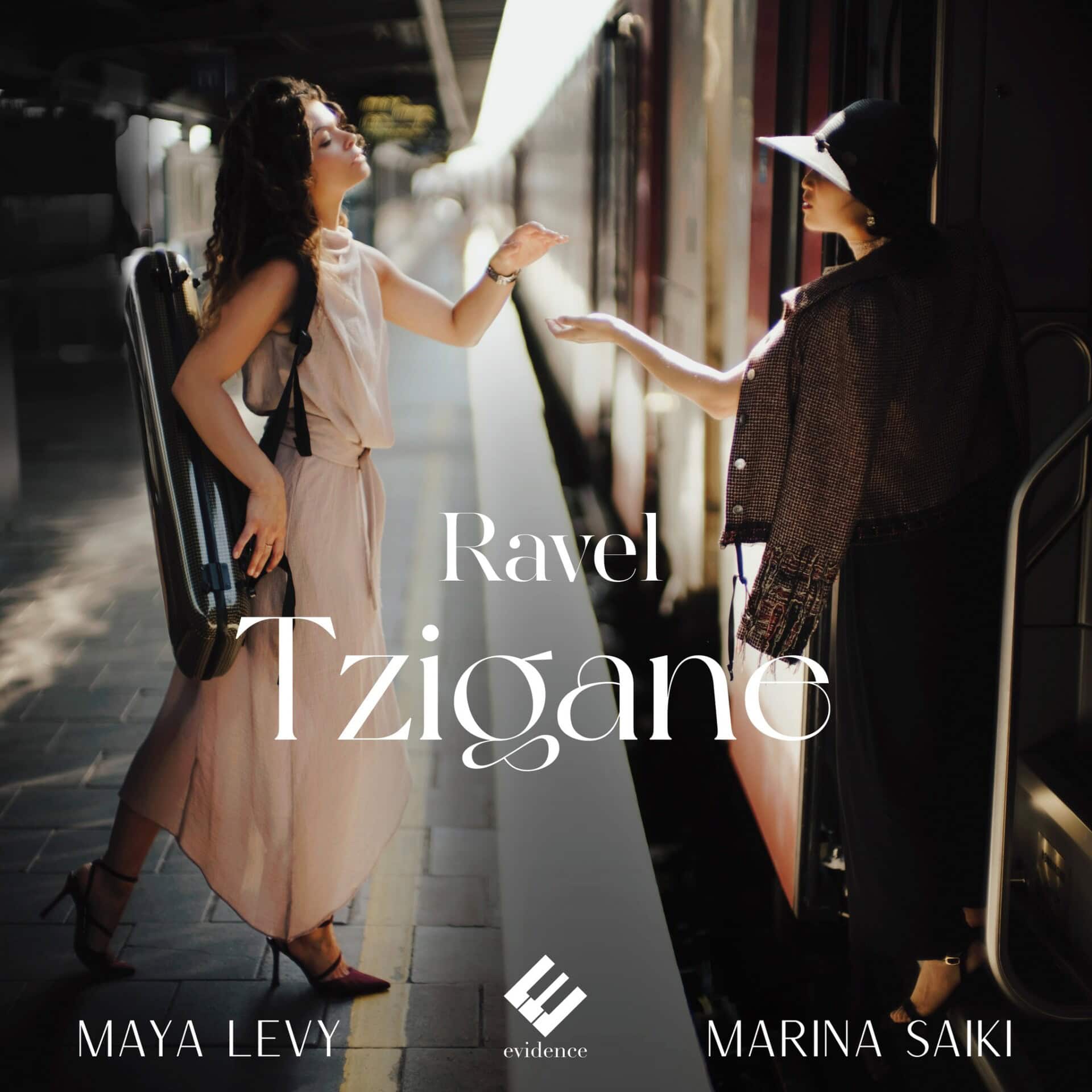
Met Tzigane maakt het duo Levy-Saiki een stevig debuut
Jacques Kinnaer
·
15 Dec. 2025
·
5 min read
Reviews
Franse finesse - Koninklijke Muziekkapel van de Gidsen 193 jaar successtory
Arlette Hellemans
·
24 Nov. 2025
·
4 min read
Reviews
Van EUtopia tot extase: liefde in klank en gevoel
Werner De Smet
·
28 Sep. 2025
·
7 min read
Never miss what moves in classical music
Subscribe to our newsletter.