
Artist
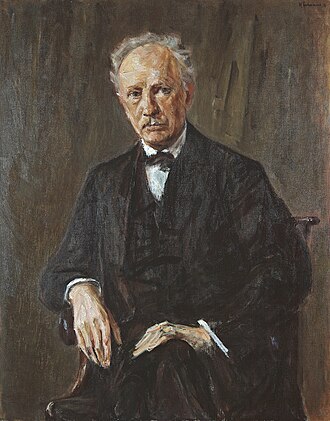
Richard Strauss
Richard Georg Strauss (Munich, 11 June 1864 – Garmisch-Partenkirchen, 8 September 1949) was a German composer and conductor. He was not related to Johann Strauss and his family from Vienna.
The Richard-Strauss-Institut has managed an archive and museum about him in Garmisch-Partenkirchen since 1999.
Strauss was the son of horn virtuoso Franz Joseph Strauss of the Königlich Bayerische Hofkapelle. He received his first lessons on violin from Benno Walter, on piano from Carl Niest, and in music theory from Kapellmeister Friedrich Wilhelm Meyer. Richard showed himself to be a musical talent from an early age. In 1876 he wrote his Festmarsch, op. 1, which was published together with two other works in 1881.
From 1882 he studied Philosophy and Art History at university.
After his debut as a conductor at the theater in Meiningen in 1884, he was appointed on the advice of conductor Hans von Bülow as 2nd Kapellmeister in Munich for the 1885-1886 season, alongside von Bülow himself. After a temporary engagement in 1886 as 3rd Kapellmeister at the court theater in Munich, numerous concert tours, and an assistantship in 1889 at the Parsifal performances during the Bayreuther Festspiele, he became Grand Ducal Hofkapellmeister in Weimar in 1889.
His first works were so-called symphonic poems. These can be described as program music in which a story ('poem') is heard.
The Richard-Strauss-Institut has managed an archive and museum about him in Garmisch-Partenkirchen since 1999.
Strauss was the son of horn virtuoso Franz Joseph Strauss of the Königlich Bayerische Hofkapelle. He received his first lessons on violin from Benno Walter, on piano from Carl Niest, and in music theory from Kapellmeister Friedrich Wilhelm Meyer. Richard showed himself to be a musical talent from an early age. In 1876 he wrote his Festmarsch, op. 1, which was published together with two other works in 1881.
From 1882 he studied Philosophy and Art History at university.
After his debut as a conductor at the theater in Meiningen in 1884, he was appointed on the advice of conductor Hans von Bülow as 2nd Kapellmeister in Munich for the 1885-1886 season, alongside von Bülow himself. After a temporary engagement in 1886 as 3rd Kapellmeister at the court theater in Munich, numerous concert tours, and an assistantship in 1889 at the Parsifal performances during the Bayreuther Festspiele, he became Grand Ducal Hofkapellmeister in Weimar in 1889.
His first works were so-called symphonic poems. These can be described as program music in which a story ('poem') is heard.
Upcoming concerts
Full calendar →
On Klassiek Centraal
12 articles
Reviews
Karg-Elert herontdekt: tussen romantische gloed en modernistische breuklijnen
Werner De Smet
·
26 Jul. 2026
·
6 min read
Reviews
Klanken tegen Alpenlicht – Het Orfeo Music Festival viert zijn eerste Brixense zomer
Werner De Smet
·
20 Jul. 2026
·
24 min read
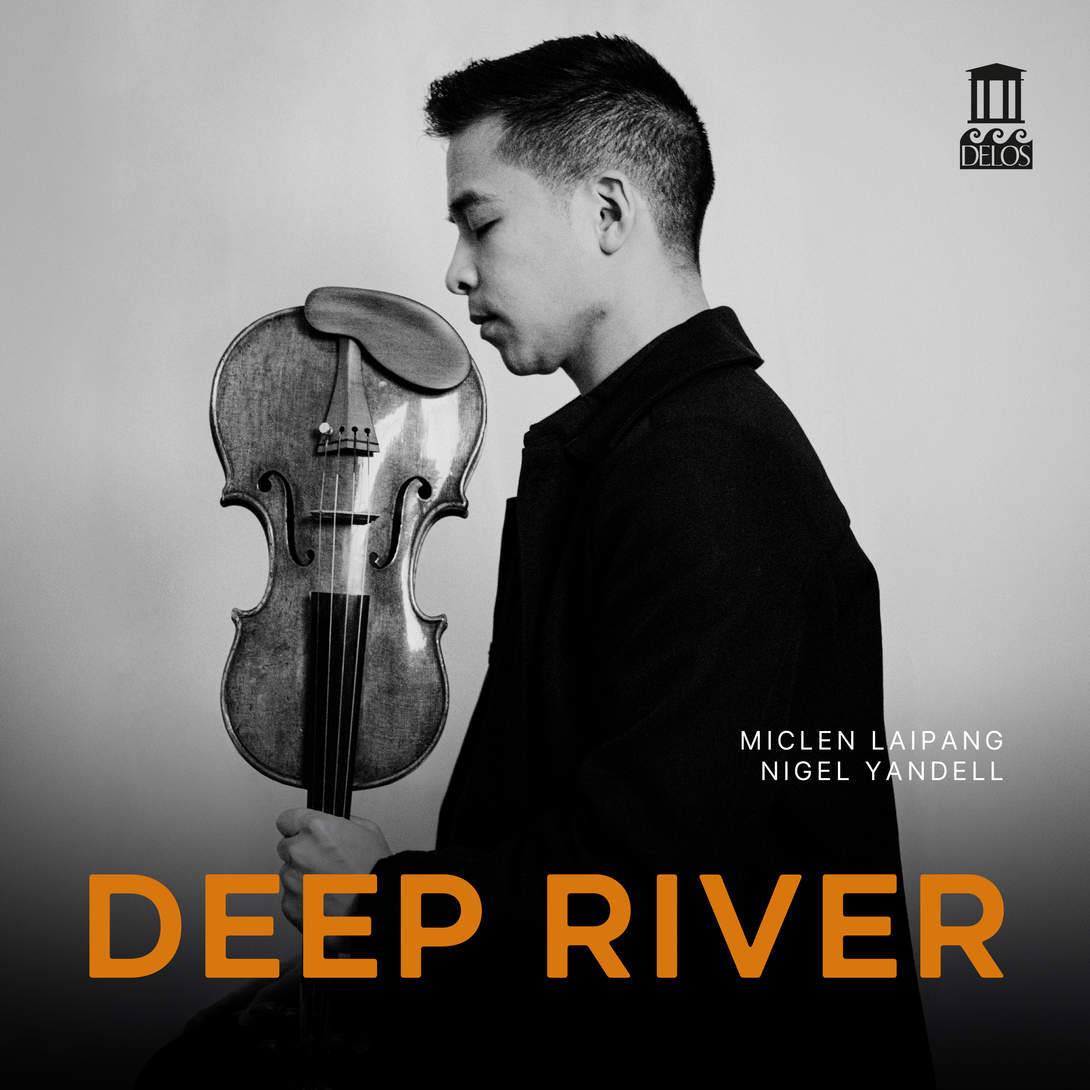
Reviews
Deep River – indringend debuut van Miclen LaiPang bij Delos
Werner De Smet
·
15 Jun. 2026
·
6 min read
Reviews
Tussen nevel, eruptie en zelfuitvinding
Werner De Smet
·
18 May 2026
·
6 min read
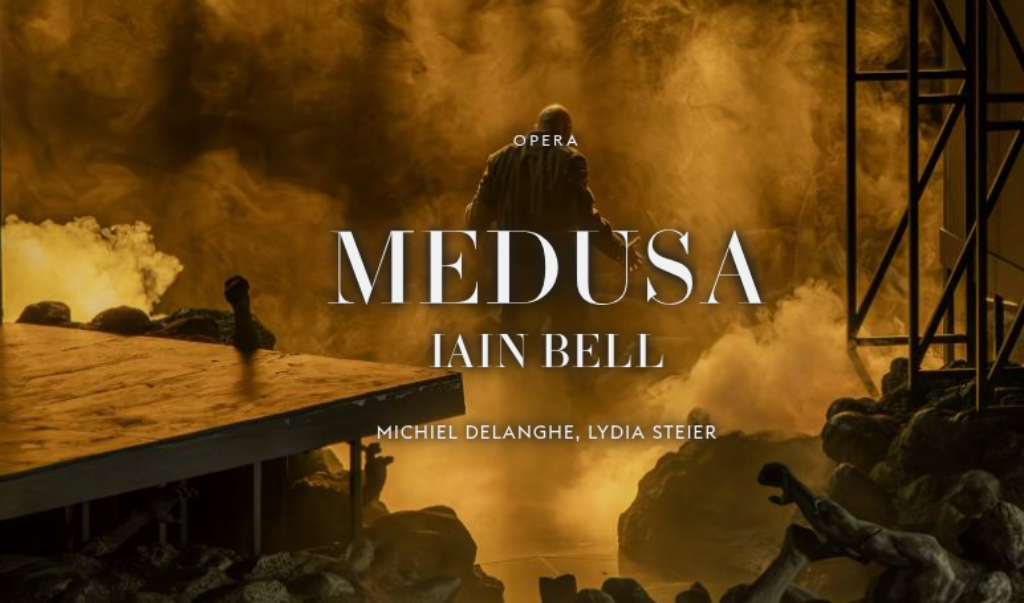
Reviews
A Gorgon’s Lament: Medusa door Iain Bell & Lydia Steier
Jessy Baeken
·
12 May 2026
·
4 min read
Reviews
Klank als traject: van introspectie naar transfiguratie
Werner De Smet
·
9 May 2026
·
6 min read
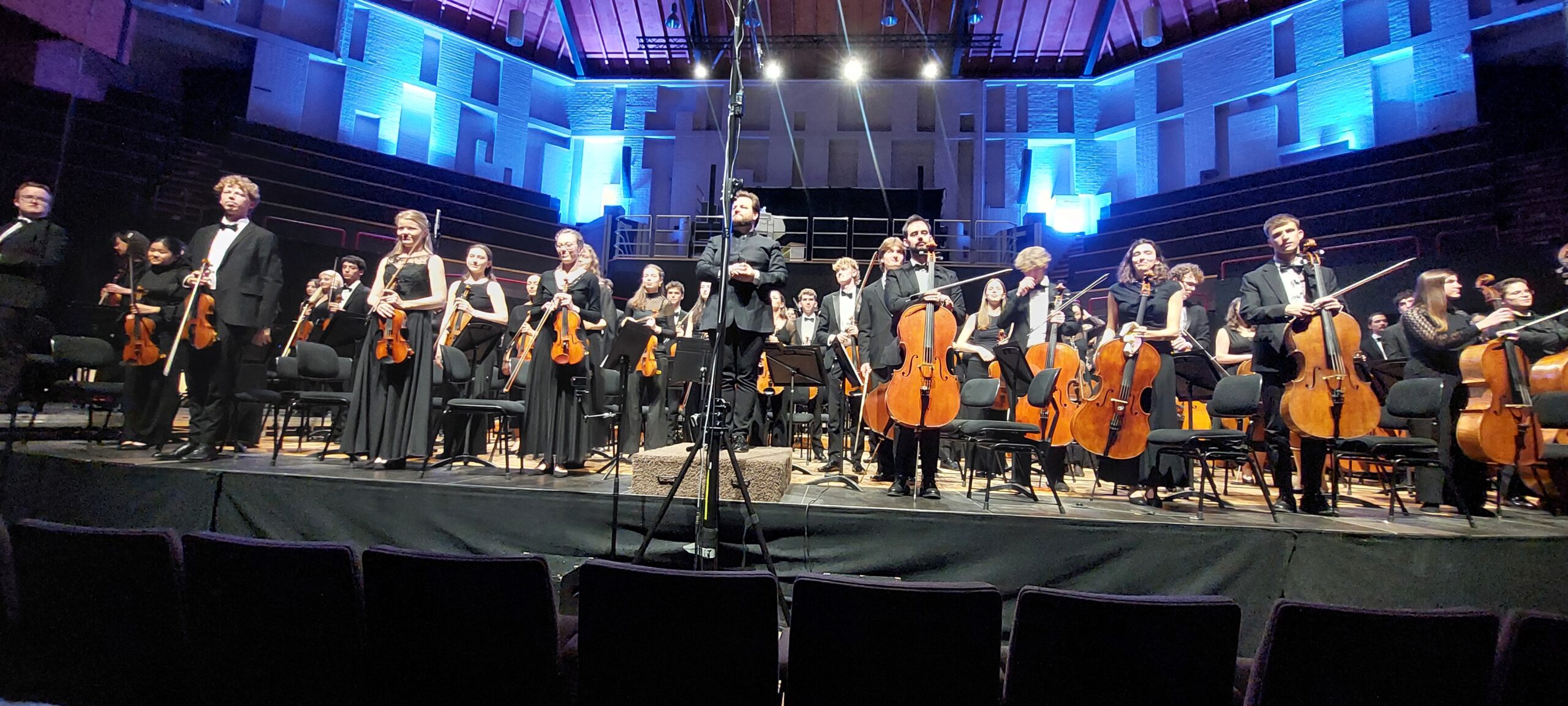
Reviews
Grandioos Mahler Student Festival Orchestra met Eine Alpensinfonie
Petronela Serban
·
28 Apr. 2026
·
4 min read
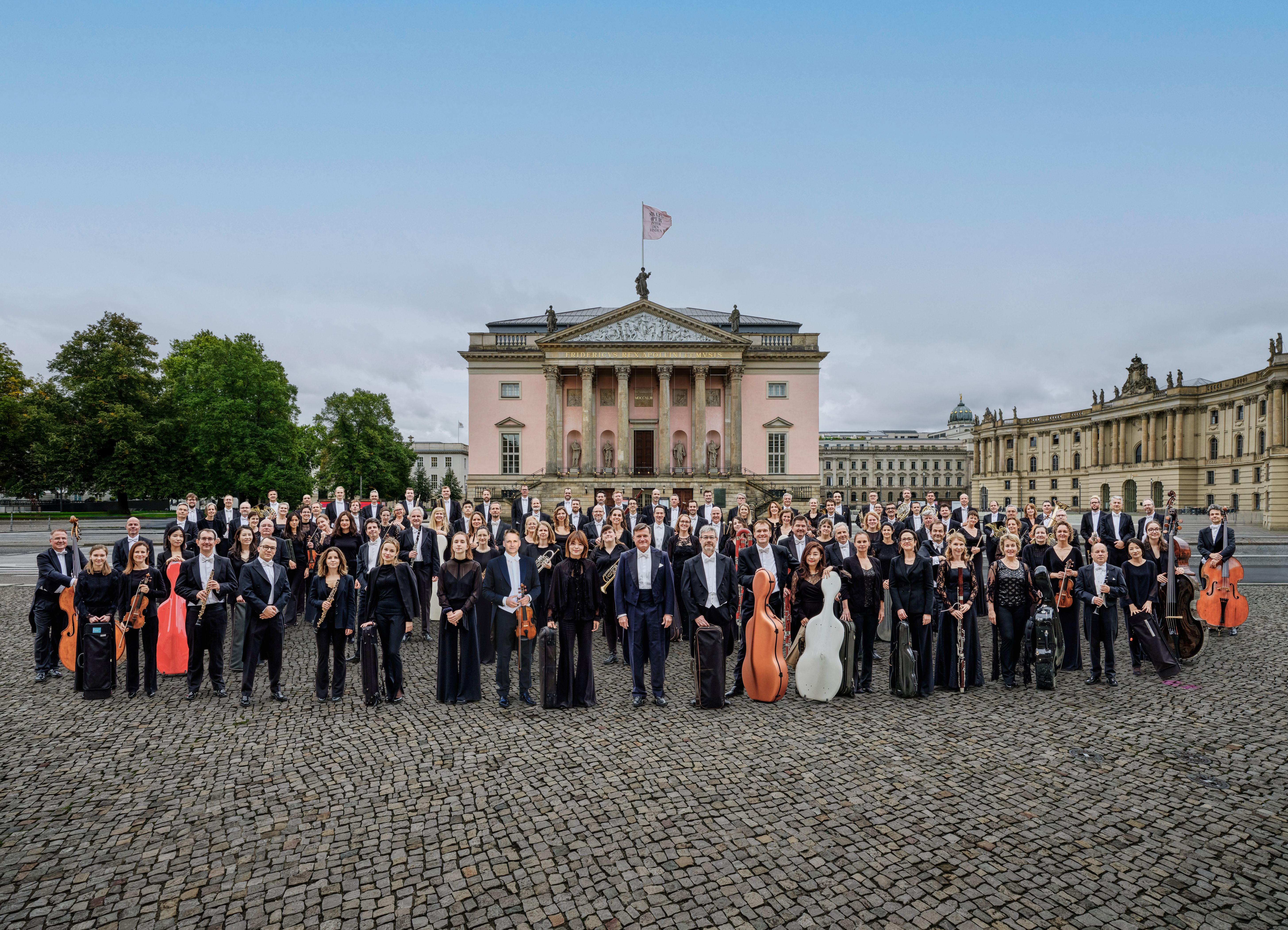
Reviews
Strauss’ lyriek ontmoet Beethovense natuurpoëzie in de Staatsoper Berlin
Werner De Smet
·
16 Apr. 2026
·
7 min read
Reviews
Adem, structuur en een zeldzame intensiteit in de Philharmonie Berlin
Werner De Smet
·
10 Apr. 2026
·
7 min read
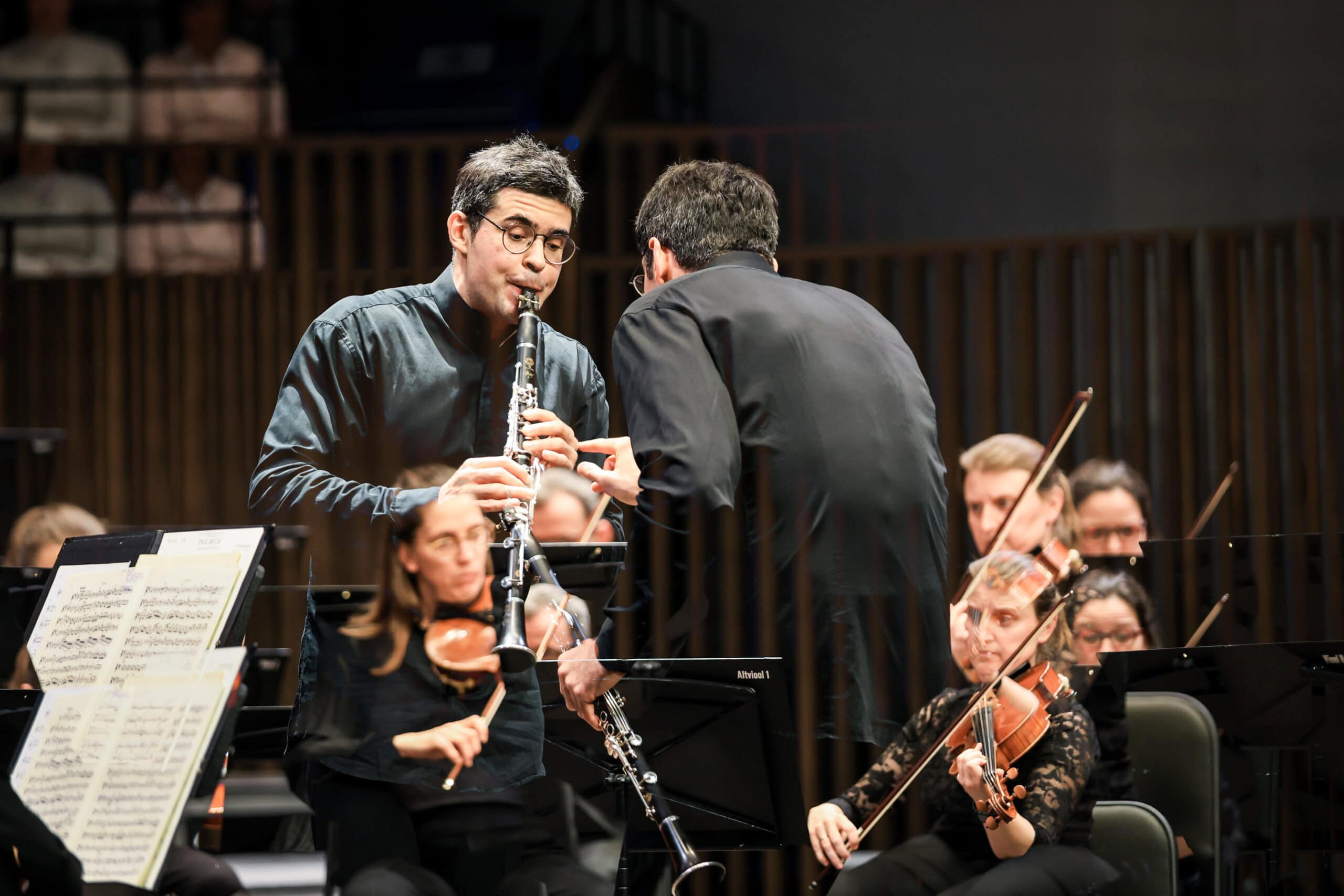
Reviews
Van jeugdige elegantie tot contemplatieve verstilling - SOV met Valentin Uryupin in De Singel
Werner De Smet
·
10 Mar. 2026
·
5 min read
Reviews
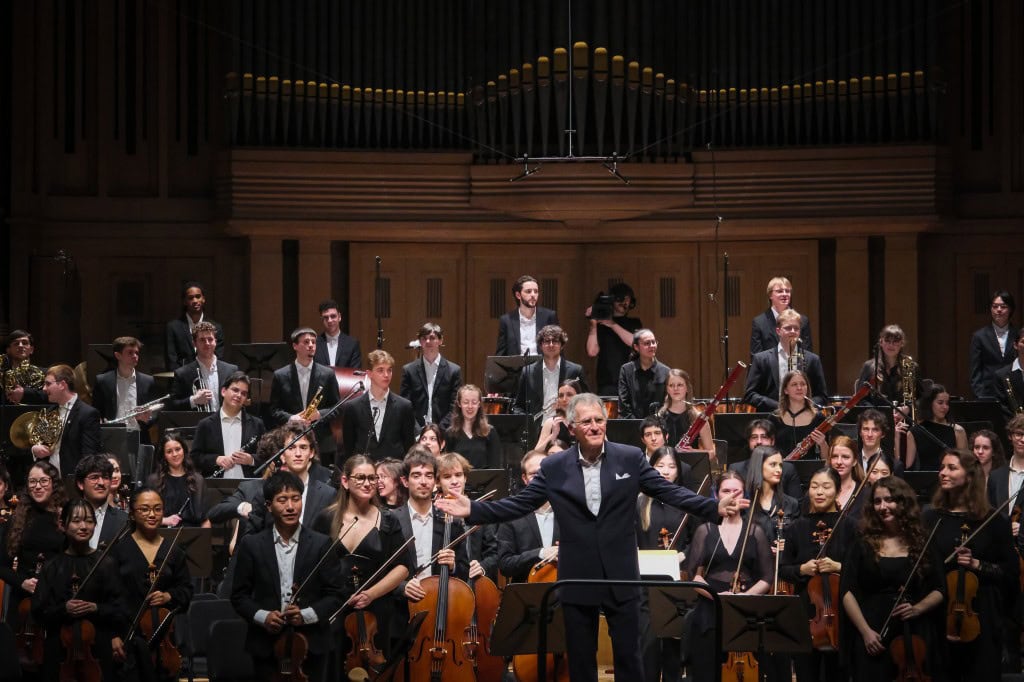
Conservamus Symphony Orchestra in feeststemming en terecht!
Ludwig van Mechelen
·
22 Feb. 2026
·
4 min read
Reviews
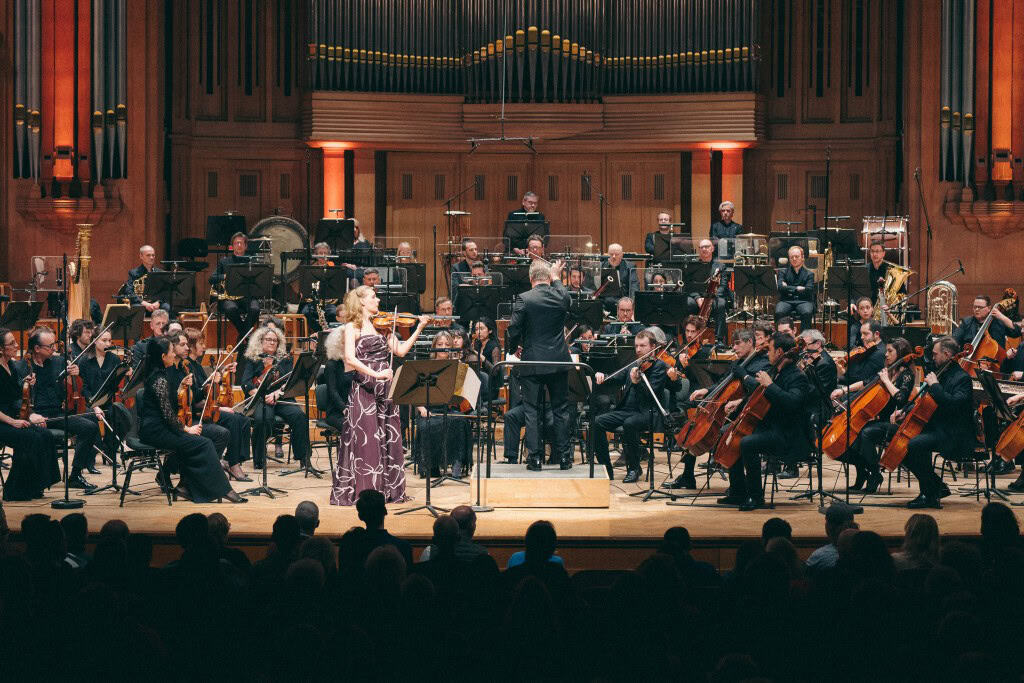
Bártok troef in Bozar met NOB en violiste Simone Lamsma
Willem Erauw
·
13 Feb. 2026
·
4 min read
Never miss what moves in classical music
Subscribe to our newsletter.