
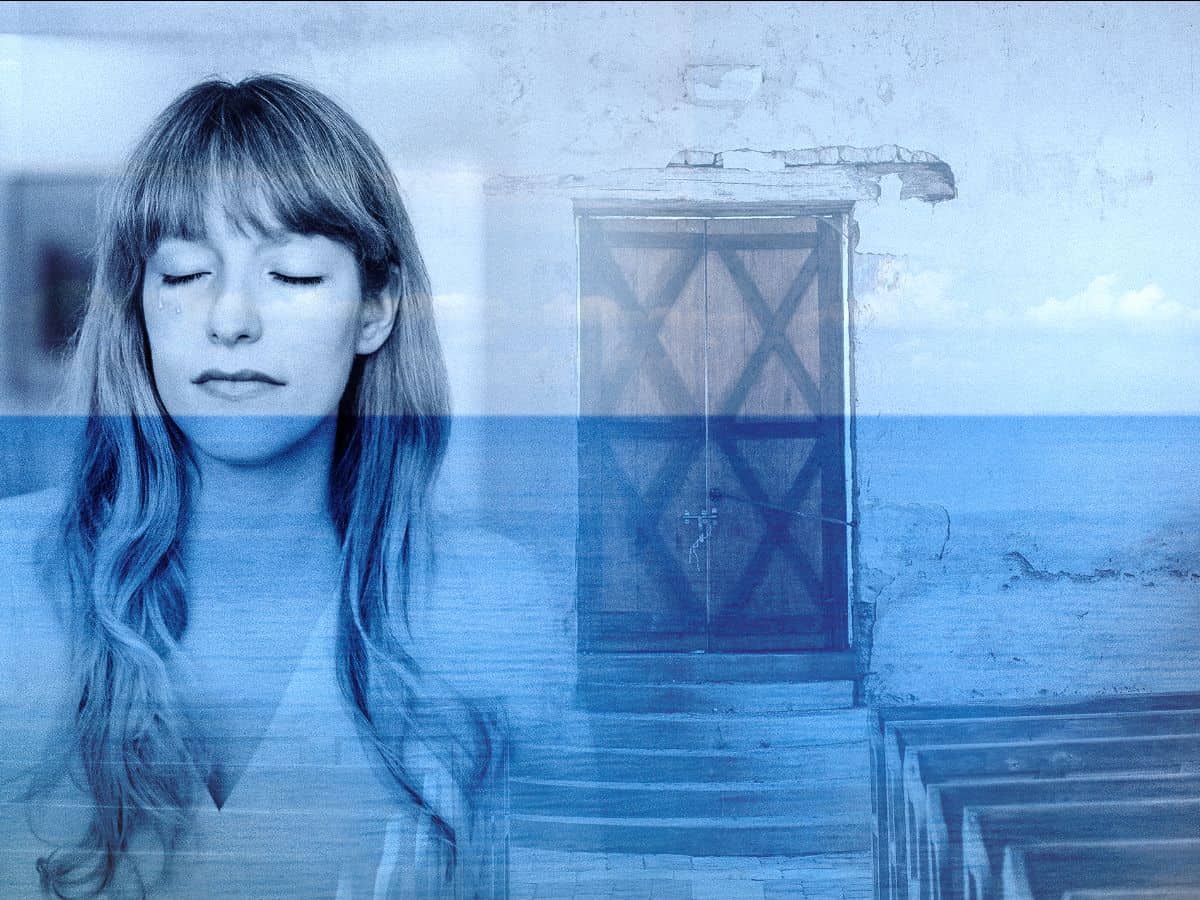
"The research that resulted in Tranen van Brabant uncovers a treasure of previously unknown repertoire. These rediscovered pieces change the perspective on Dutch musical life in the 17th and 18th centuries. There are so many works of high quality that are barely or never performed. We were moved by the uniqueness and eloquence of this special repertoire."
— Judith and Tineke Steenbrink.
Inspiration from convent life
The research that led to the extensive project Brabant 1653 inspired Tineke and Judith Steenbrink to further immerse themselves in 17th-century Brabant repertoire. This renewed quest took them through auctions and antiquarian booksellers to forty old liturgical music books from the 17th and 18th centuries, each containing between 400 and 900 pages, originating from convents in North Brabant. It is a collection of Dutch/Brabant Graduales, Antiphonales, Processionales and Vesperales; different books with gregorian chants for all kinds of occasions. This collection forms the basis of the most recent research by Tineke and Judith Steenbrink, resulting in the follow-up program Tranen van Brabant.The Brabant style
Tineke Steenbrink: "As we discovered this repertoire, we began to recognize the uniqueness of the Brabant style. Verrijt, Rosier, Hollanders and of course Benedictus à Sancto Josepho have a unique way of expressing the text. Not over-dramatic or excessive, but strongly emotional. It is a recognizable style that is highly expressive. That can be heard in all the motets. This music is characterized by pure devotion and at the same time a light playfulness." The discovery of the books initially raised many questions. What was a Processionale or an Antiphonale used for? What were the traditions at the numerous feasts and saints' days? How did this Gregorian sound: monophonic with organ accompaniment, as described in the introductions, in a baroque style with harmonies, trills and cadences?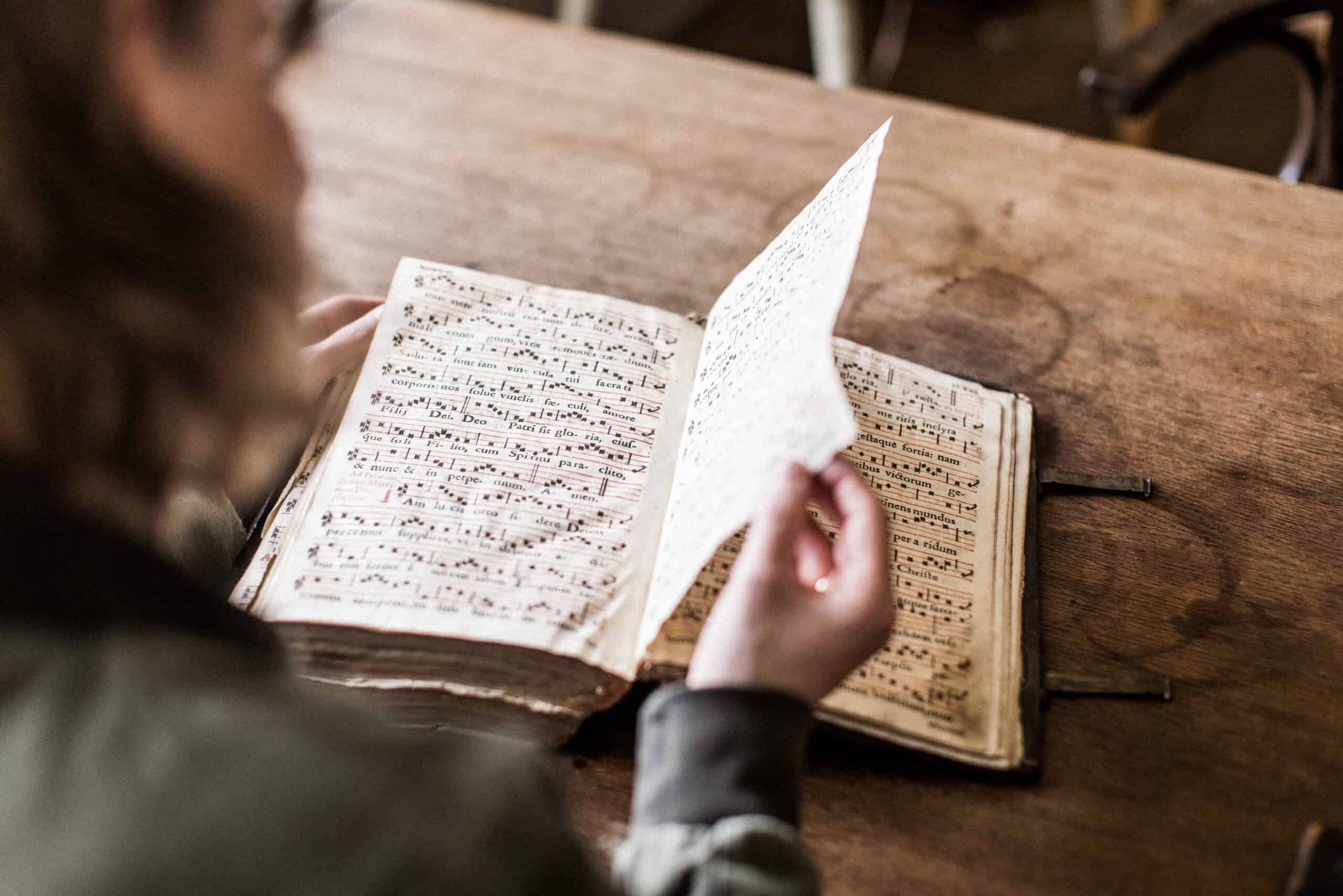
Female voices
In this program Holland Baroque has opted for a women's choir, such as that found in convents of the Poor Clares in Megen, the Carmelites in Boxmeer and the sisters of Maria Refugie in Uden. In Catholic churches and convents, the voices of women and men were not mixed. As we can read in the preface of the Graduales from the 17th and 18th centuries: "As women's and men's choirs are held in singing; Shall not penetrate into the Men's Choir in that of the Women" (Graduale 1763 Amstelodammi T. Crajenschot) According to musicologists such as Frans Jespers, we can assume that polyphonic singing also took place. Even in the Graduales you find polyphonic settings of Latin chants. While the Protestants, some to this day, continued to adhere to singing monophonic psalms and hymns, the Catholics enjoyed singing polyphonically. Both at home and in church.A completely unique, baroque Gregorian style
Tineke Steenbrink: "Tranen van Brabant shows us that Brabant had its own way of performing baroque Gregorian. Benedictus à Sancto Josepho played a central role in this. Mapping out your own musical landscape is incredibly exciting." Judith Steenbrink: "After the first program around the Brabant composers, Brabant 1653, we see that this also previously unperformed repertoire is again of very high quality. The richness of the score of, for example, the Missa pro defunctis indicates that there was enormous musical activity. Both vocal and instrumental. A true musical discovery".Performance locations
Amsterdam - fri 24 March Leeuwarden - sat 25 March Vries - sun 26 March Helmond - wed 29 March Cuijk - sun 2 April Utrecht - tue 4 April
more info