
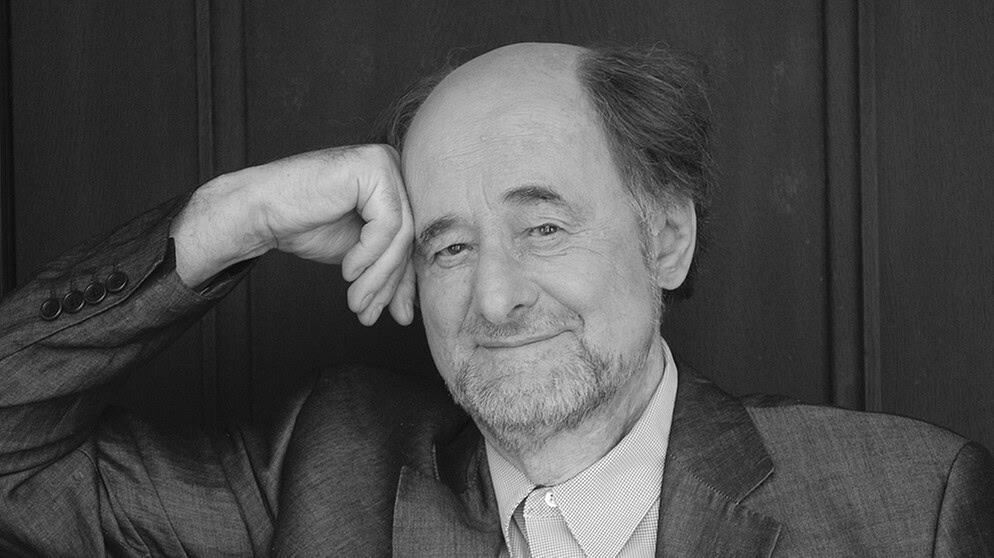
Sir Roger Norrington, who died at the age of 91, was a leading figure in the 'period-instrument' movement and an energetic, often controversial advocate of musical authenticity.
Norrington's quest for authenticity went far beyond the use of historical instruments and ventured into the more contested areas of tempo and technique. In this, he campaigned in favor of composers' metronome markings, and against the "modern drug" of vibrato, which he claimed orchestras generally only adopted from the 1930s onwards.
Although most critics accepted his approach to baroque and classical repertoire, with his pioneering work with the Schütz Choir and the London Classical Players revealing the original beauty and transparency of the harmonies, some shuddered at the idea that Beethoven, Berlioz, Wagner or Mahler received the "Norrington treatment".
Groundbreaking Interpretations of Beethoven
His interpretations of Beethoven in particular, which strictly adhered to the composer's own metronome markings, were dismissed by some as "improbably fast". Yet others found his performances revelatory, and his groundbreaking recording of the Beethoven symphonies with the historical instruments of the London Classical Players, recorded for EMI in the 1980s, won prizes around the world. It was a true "grenade" aimed at a symphony orchestra establishment that still clung to the lush "monumental" interpretations associated with Klemperer and von Karajan.
In the early 1990s Norrington was diagnosed with skin cancer, and in 1995 he underwent successful surgery to remove a brain tumor.
He was married twice: first, in 1964 (divorced in 1982), to Susan McLean May, with whom he had a son and a daughter, and secondly, in 1986, to dancer and choreographer Kay Lawrence, with whom he founded the Early Opera Project as a complement to his concert work in opera in historical style, and with whom he had a son.
Sir Roger Norrington, born 16 March 1934, died 18 July 2025.