
La Leggierezza
Yang Yang Cai
- Label
- Challenge Classics
- Catalogue number
- CC 72928
- EAN / barcode
- 0608917292824
- Release date
- 5 January 2023
For Liszt's biographer Derek Watson - "The music reflects the man in its range from the ascetic to the sumptuous, from the trivial and profane to the sublime and spiritual." Alfred Brendel, another Liszt-admirer, has remarked: "For Liszt … the piano was an object to be transformed into an orchestra, turned into the elements, lifted into the spheres." In addition to this keyboard-related revolution, Liszt's harmonic language deeply influenced Wagner, while his pioneering development of the symphonic poem genre also contributed to his far-reaching influence. Liszt's Trois Études de Concert S 144 (Trois caprices poétiques in the 2nd edition) date from 1848. The origin of their individual titles (Lamento, La Leggierezza Sospiro) which were added later, is something of a mystery, but they have proved to be generally popular and evidence suggests that Liszt himself was happy with them. Liszt was only twenty-two when he composed the three Apparitions. These innovative, surprisingly forward-looking pieces are among the most important of his early works, imbued with an otherworldly spirit, suspended and dream-like. Liszt composed his Six Grandes Études de Paganini in 1851. He had first heard Paganini play in 1831 and, in common with many other composers and performers, was bewitched – so much so that he was inspired to emulate his astonishing degree of technical mastery in extending the musical expression of his own instrument. No 2 in E flat major (marked Andantino capriccioso) is based on the seventeenth of Paganini's solo violin Caprices, but Liszt superbly recreates this music in pianistic terms. The sparkling Valse-Impromptu in A flat major (c1850) is Liszt at his most elegant and charming. Du Bist die Ruh' is one of twelve Schubert lieder which Liszt transcribed in 1838. Here Liszt writes a decorative, widely-spaced left hand part but preserves the calm, dignified mood of the song. The outlandishly demanding Transcendental Études date from 1851. Chasse-neige is the final Étude No 12 in B flat minor. Busoni described it as "the noblest example, perhaps, amongst all music of a poetising nature ... a sublime and steady fall of snow which gradually buries landscape and people."
Also on Challenge Classics
New
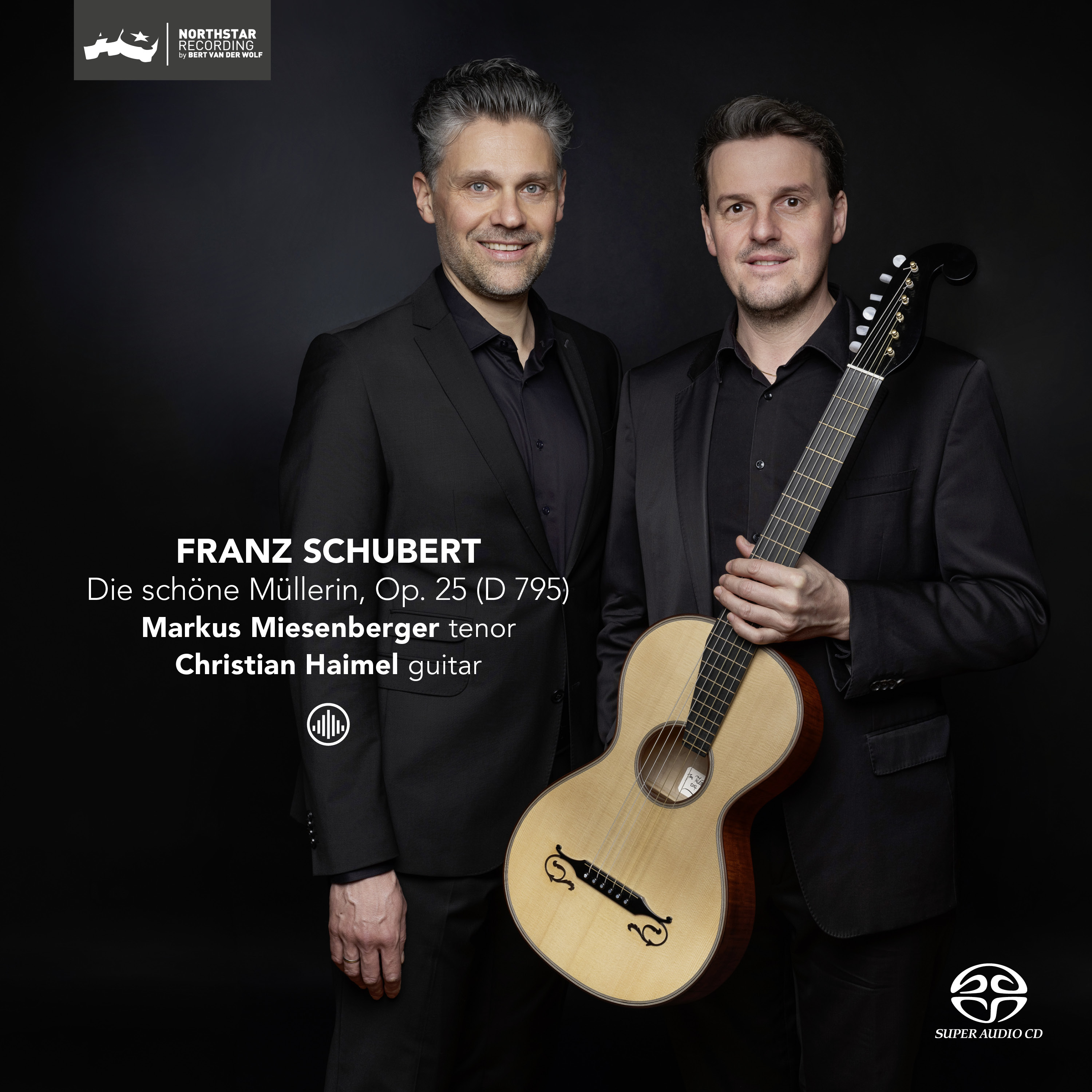
Die schöne Müllerin (SACD)
Markus Miesenberger, Christian Haimel
Challenge Classics
·
2026
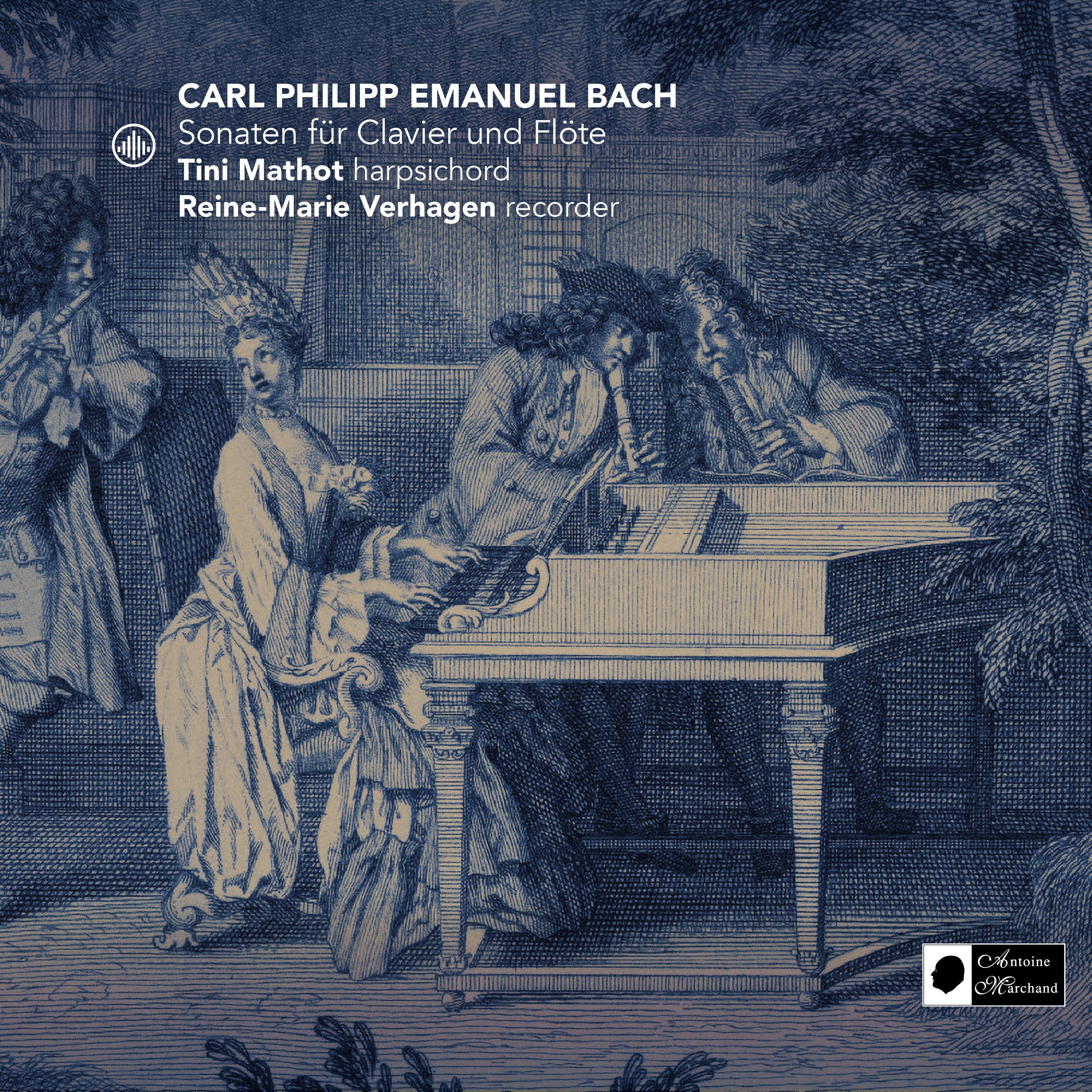
Sonaten für Clavier und Flöte
Tini Mathot, Reine-Marie Verhagen
Challenge Classics
·
2026
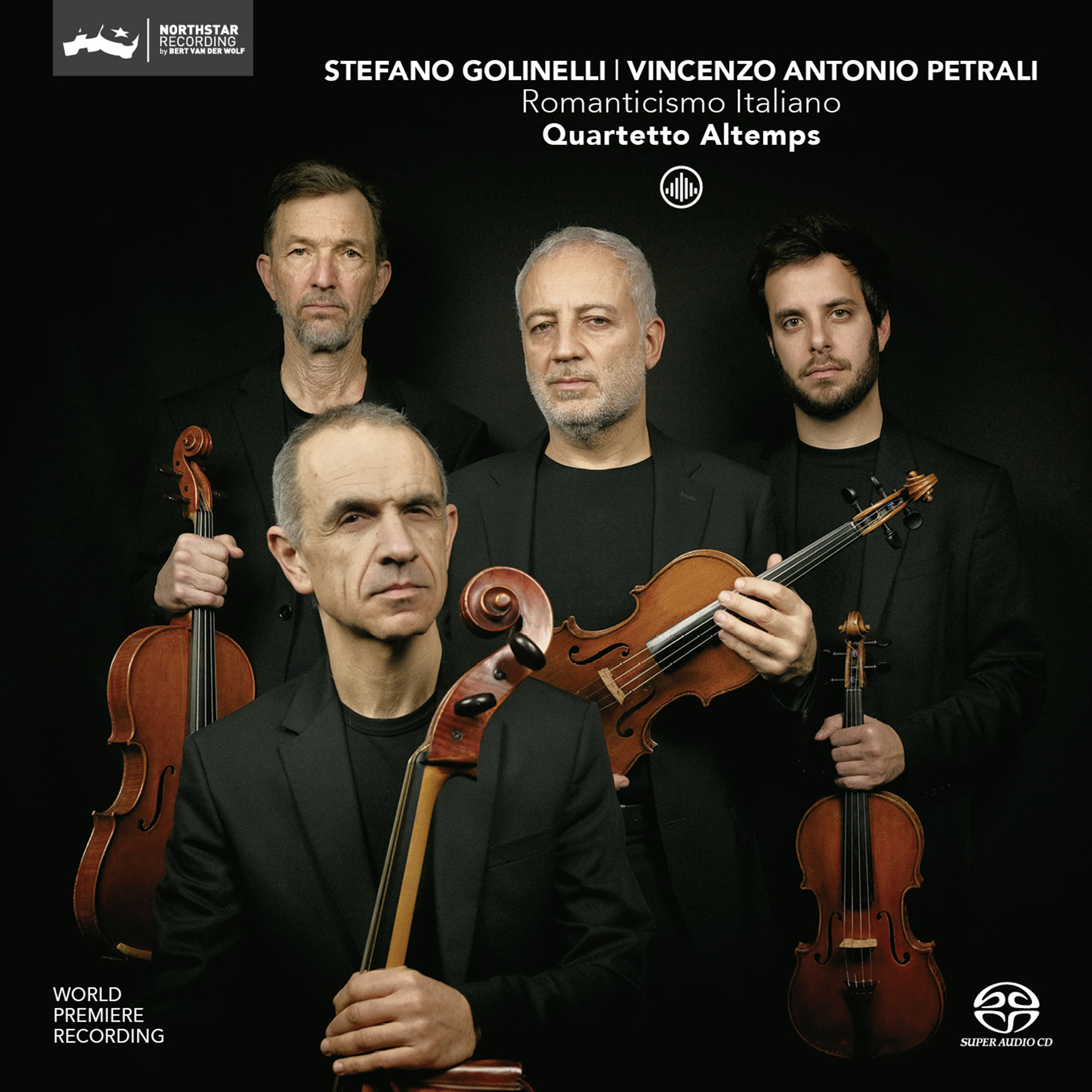
Romanticismo Italiano (SACD)
Quartetto Altemps
Challenge Classics
·
2026
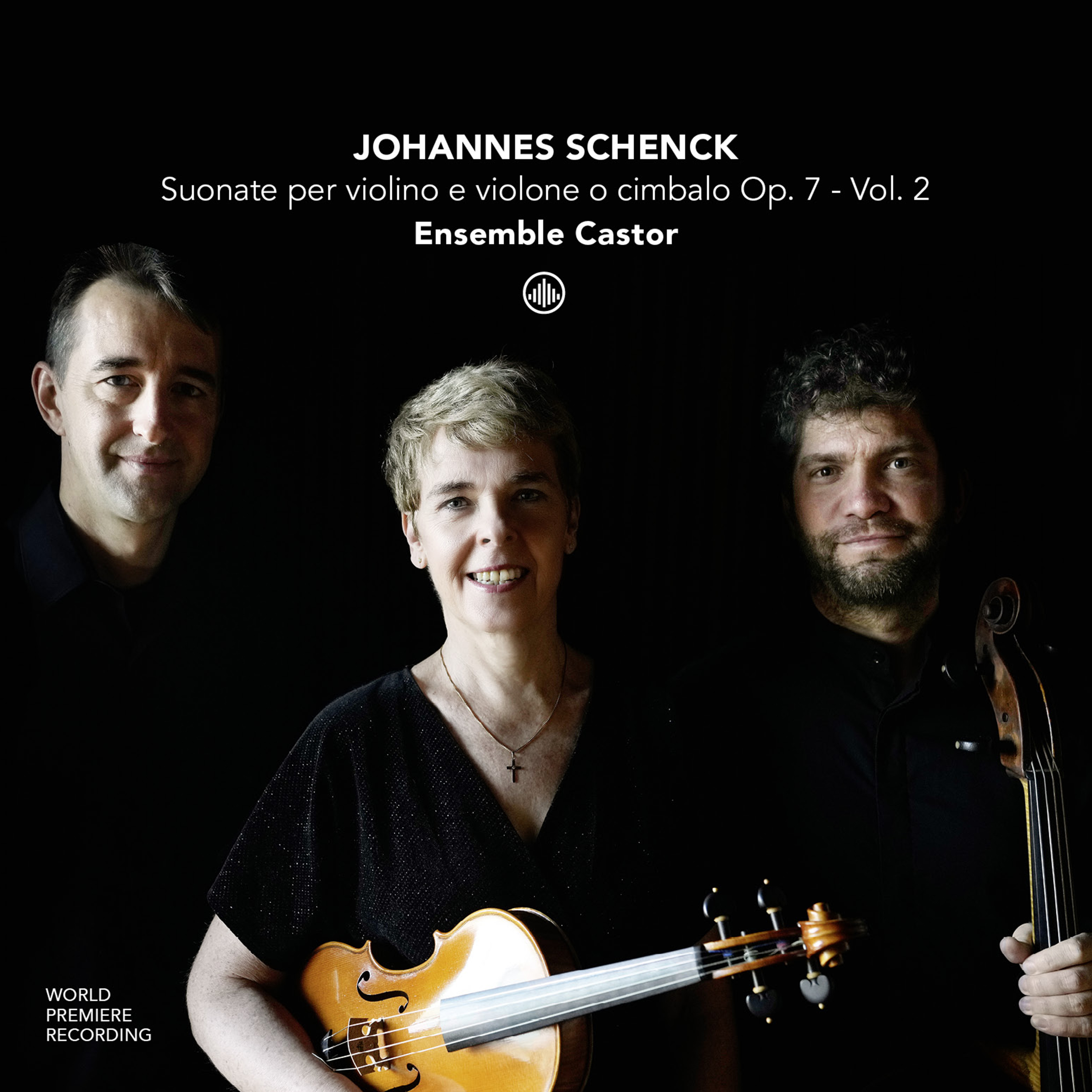
Suonate per violino e violone o cimbalo Op. 7 - Vol. 2
Ensemble Castor
Challenge Classics
·
2026