
Perpetuum - Anthony Romaniuk
Click here for the table of contents
Anthony Romaniuk (piano, harpsichord, fortepiano, electric piano, virginal, synthesizer)
Alpha 913 • 69' •
Recording: July 2022, Studio 1, Flagey, Brussels
I have written before about the Australian keyboardist Anthony Romaniuk, in March of last year on the occasion of his album Perpetuum. You can read the review here.
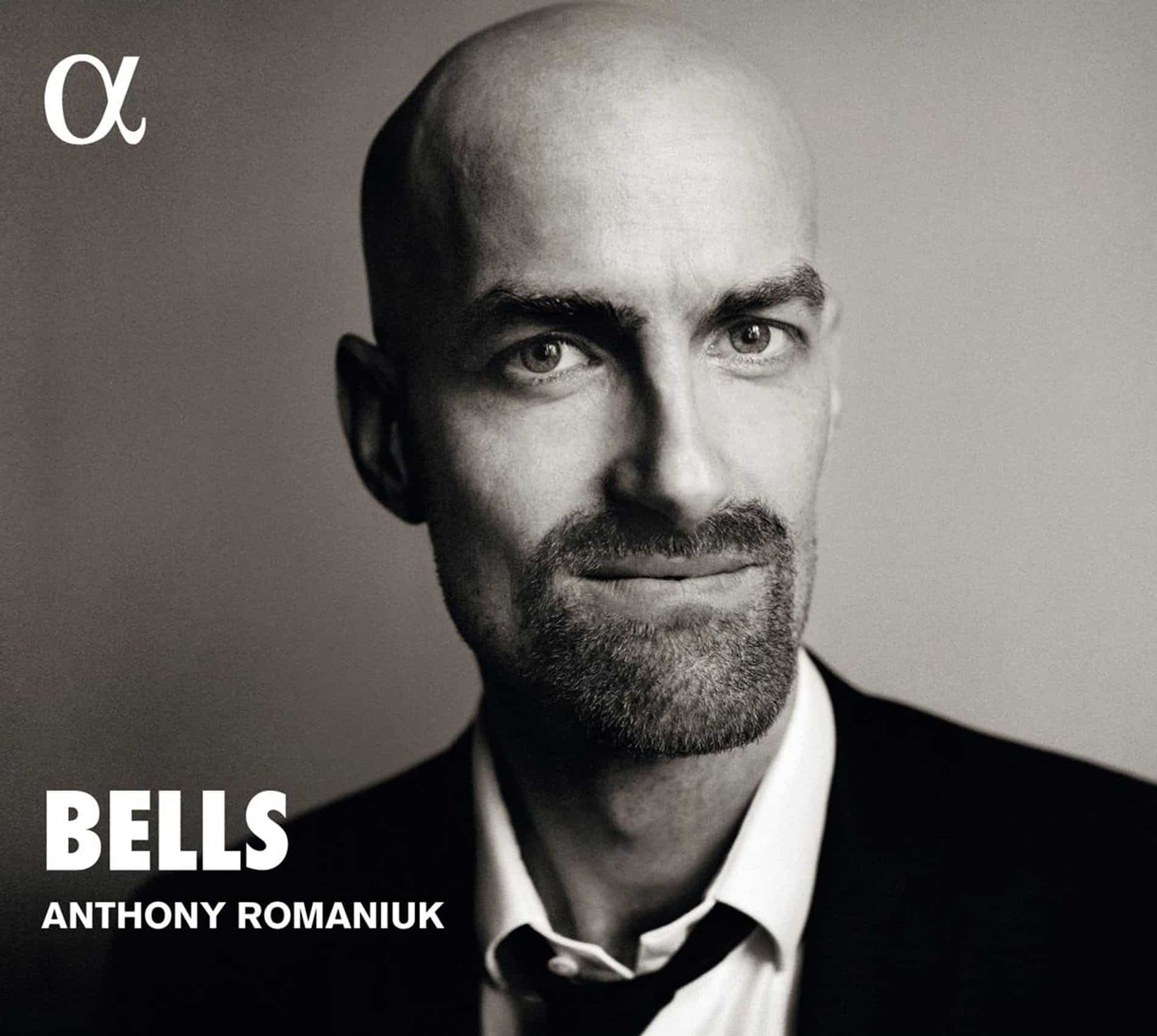
The predecessor, Bells, also proves to be a hit, although it is equally true that one could argue whether the programme compiled by Romaniuk does not have too many characteristics of a hodgepodge. But those who can get past this (possible) objection will find an extremely fascinating recital that once again demonstrates Romaniuk's enormous versatility. Not only with regard to his great proficiency on the various instruments (grand piano, fortepiano, harpsichord and the Fender Rhodes electric piano), but also how admirably he moves as a chameleon through the many different musical styles. Versatility is clearly the trump card.
He himself wrote the introduction which he prefaces with a well-known quote from Miles Davis: 'Sometimes you have to play a long time to be able to play like yourself.' Developing one's own playing style can be a real challenge for many musicians, and certainly in these times when an enormous performance repertoire is within reach with a simple mouse click. The temptation is great to listen too much to others and too little to oneself…
Romaniuk also went literally beyond boundaries for this album. In his own words:
'In the earliest stages of assembling this programme I became interested in searching for musical elements which transcended not only eras but also genres and geographical boundaries, something truly cross-cultural. In the end I decided to build around two such ideas: the low drone and the pedal tone.
The use of low drones means simply highlighting the lowest overtones in any given pitch (the root and the fifth). From the tambura in Indian classical music to heavy metal power chords, the openness of the bass-fifth could be the most universal instrumental sound that we have as a species. The purest example here would be the low, strummed bass chords at the midway point of the Crumb.
Pedal-tones/points in this context signify a sustained pitch, often but not exclusively in the bass, around which all the other parameters shift; an example being Purcell's Fantasy Upon One Note. This work is heard here in a transcription for solo piano with the help of an e-bow for the sustained pedal tone. The Beatles song Blackbird provides a strong example of a pedal tone, with the mid-register G being held and reinforced throughout.
Combining low drones and pedal tones, the resultant is bell tones and thus: Bells.'
Romaniuk is so good that I would very much like to hear him in a number of complete works, but I think the chances of that ever happening are small. This keyboardist belongs to the new generation of musicians who have deliberately chosen a thematic approach that includes both (sometimes very short) miniatures and individual movements from larger works. In Romaniuk's case there is also an important additional factor: his wonderful improvisational skills.
Those who wish to be surprised await a most remarkable adventure that does not end after repeated listening.